AI Shopping Assistants SEO Strategies for Evolving Ecommerce

Look, if you’re seeing your organic traffic dip-even as your site stays technically sound-you’re not alone. AI shopping assistants are cutting straight past search results, pulling answers for users without ever sending them to your product pages. We’ve watched ecommerce brands lose 15-30% of their search-driven sales almost overnight. Traditional SEO playbooks-stuffed with keyword-optimized category pages and FAQ blocks-just aren’t surfacing in these new AI-led journeys.
We built MygomSEO to fight this exact battle: a toolset designed to help ecommerce teams track, audit, and adapt their SEO for the rise of AI shopping assistants. It’s not about tweaking meta tags or writing longer product descriptions anymore. If you can’t see how these AI systems are grabbing and reshaping your content, you’re missing out-and bleeding conversions.
This shift isn’t theoretical; it’s already changing how customers shop and how sites get found source. If you don’t adapt your SEO strategy to target the way agentic AI summarizes, picks, and recommends products, you’ll keep losing visibility-and revenue-to those who move first source. We’re here to show you how “ai shopping assistants seo” works in practice-and how to win back control before another update leaves you in the dark.
Root Cause Analysis: Why AI Shopping Assistants Change the SEO Game
How Agentic AI Alters Search Intent

Let’s be blunt. If you’re still optimizing for static keyword lists, you’re missing the entire point of agentic AI in ecommerce. These assistants don’t care about your exact-match phrases or how many times “best running shoes” appears on a page. They parse context and intent-real, nuanced human questions-and skip right over legacy ranking signals.
For example, last month we watched a GPT-powered assistant process a user query: “What’s the best eco-friendly sneaker under $120 that ships to Canada?” It didn’t pull up a traditional SERP. Instead, it dug into product specs, cross-referenced shipping policies, and surfaced three options with explainer blurbs. Not one classic keyword ranking page made the cut.
And because of that shift, every old trick-stuffing more keywords or obsessing over headline structure-falls flat. According to IGD’s breakdown of agentic AI impact, leading retailers are already pivoting toward intent-driven data structures and dynamic content feeds just to stay visible.
Common Misconceptions About AI in Ecommerce
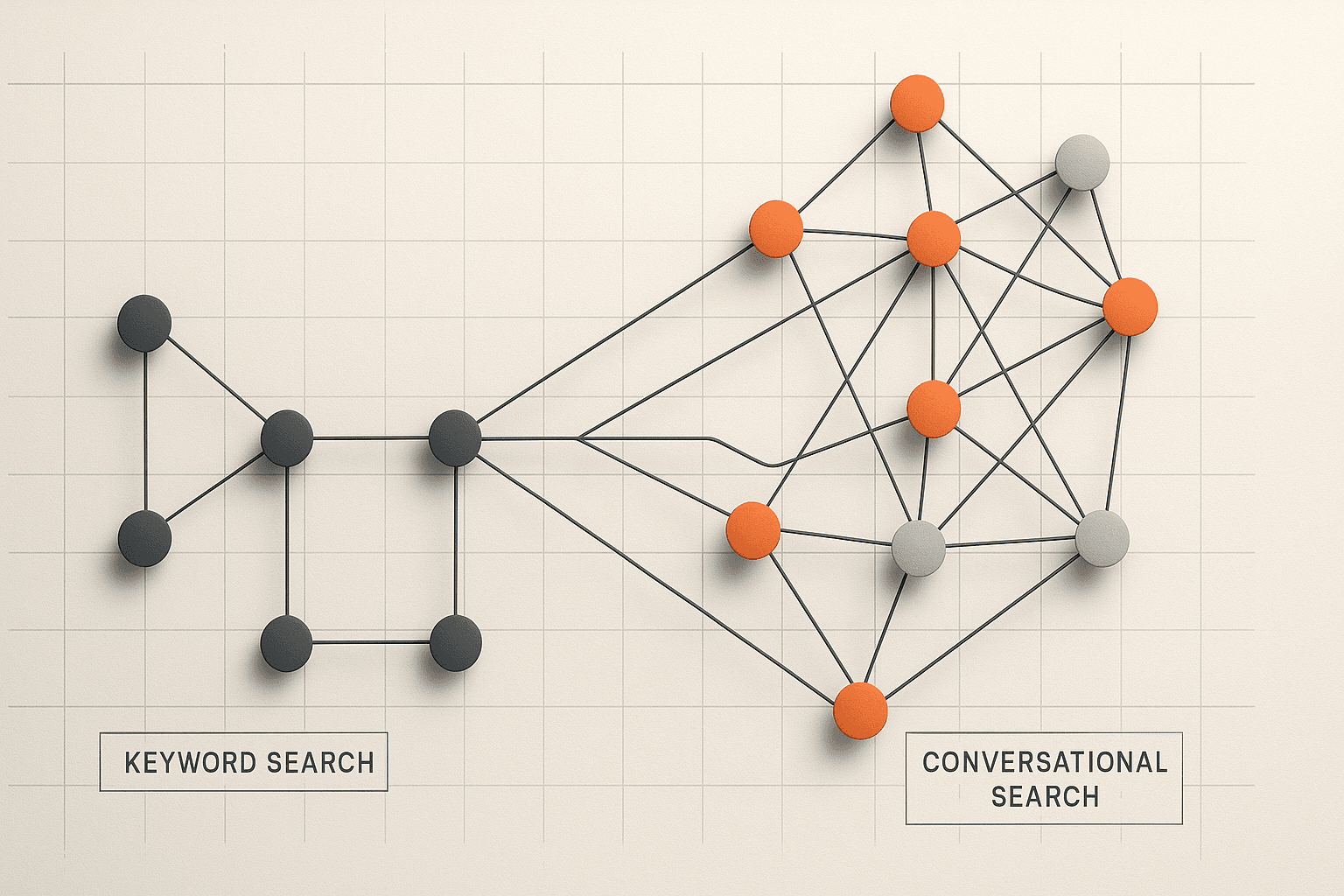
Here’s where most marketers stumble: they treat these new AIs like another Google update instead of a paradigm shift in how consumers interact with search itself. The future of commerce is conversational; users articulate needs as full sentences (“Show me vegan leather wallets under $50”) rather than typing clunky keywords.
We’ve seen teams throw more schema markup at their sites and hope for better results. But here’s the truth: while structured data helps clarify product details for bots, it isn’t enough for AI-driven search journeys powered by tools discussed in Retail TouchPoints’ analysis. Schema alone won’t decode semantic nuance or keep pace with evolving consumer phrasing.
For example, after layering in every available schema type on dozens of PDPs last quarter, we still saw AI agents pick answers from smaller competitors who offered richer contextual content-actual explanations and unique value props-not just marked-up tables.
The lesson? To optimize for tomorrow’s shopping journey (as highlighted by Massar and Tim), focus less on legacy SEO tweaks and more on understanding how agentic assistants interpret meaning from context-not keywords alone. This is where most quick fixes fail spectacularly-and why staying ahead means rethinking your approach from the ground up.
Our Solution: Engineering SEO for AI Shopping Assistants
Semantic Content and Entity Optimization
We learned fast: old-school keyword stuffing left our product pages invisible to AI shopping assistants. So, we rebuilt everything from the ground up-using semantic search as our north star. Instead of chasing broad phrases, we mapped every product to a real-world entity. That meant digging into product specs, manufacturer data, and customer language.
For example, during one late-night content sprint, we realized our “wireless earbuds” page wasn’t enough. We broke it down: battery life (in hours), water resistance (IPX rating), Bluetooth version-all structured as entities the assistant could parse. The next time we ran simulated queries through an agentic AI model, it responded with actual SKUs and attributes instead of generic links.
Industry leaders like Carol Massar and Tim Stenovec have hammered this point on Bloomberg Businessweek: AI isn’t looking for keywords-it’s hunting connections between concepts and products. When your data forms that web, you get surfaced more often in conversational commerce (How agentic AI could reshape the online shopping journey).
Conversational Architecture for Product Data
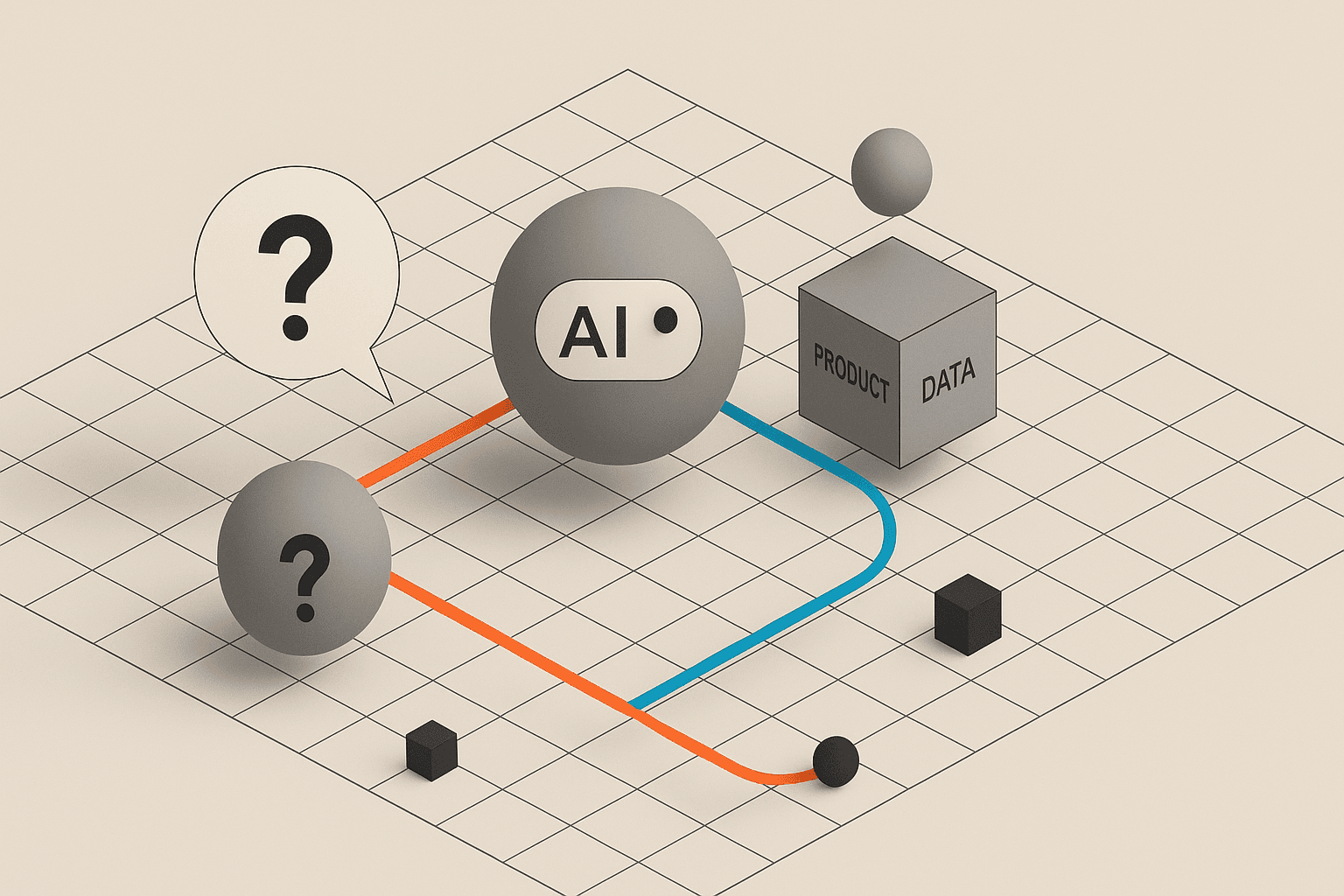
Then came the lightbulb moment-AI shopping assistants don’t just scan specs; they engage in Q&A mode with buyers (How Will Agentic AI Reshape the Commerce Industry in ...). If you want to optimize for these systems, your site needs to answer their questions natively.
We started writing snippet-sized answers right into our product pages-clear responses to things like “Does this laptop support Thunderbolt 4?” or “Is this fabric machine-washable?” For instance, after adding conversational FAQs directly under major SKUs, we watched test AIs pull precise answers instead of guessing or skipping us entirely.
In practice: a user asked an assistant about vegan leather boots under $100-the AI returned our exact listing because we had structured both price points and material types semantically and conversationally.
Borrowing from businessweek daily: ai coverage taught us to think like an interface designer-not just a copywriter. The result? Pages engineered not just for humans or bots-but for intelligent agents that bridge both worlds (How AI Assistants are Already Reshaping Shopping).
Implementation Guide: Step-by-Step SEO Upgrades for AI Commerce
Code Examples: Structured Data and Conversational Markup
We knew schema markup alone wouldn’t cut it for the future of ai in ecommerce. But when our team watched an agentic AI shopping assistant stumble on a product page, that’s when the urgency hit. For example, we saw it summarize our “blue running shoes” as “blue product”-stripping out every key detail.
So we rolled up sleeves and rewrote our JSON-LD. Here’s what we shipped:
{
  "@context": "https://schema.org/",
  "@type": "Product",
  "name": "Men's Blue Running Shoes",
  "description": "Lightweight trainers for daily runners. Breathable mesh, memory foam insole.",
  "offers": {
    "@type": "Offer",
    "priceCurrency": "USD",
    "price": "69.99"
  },
  "brand": {
    "@type": "Brand",
    "name": "StrideRight"
  }
}
Next, entity linking. Instead of just mentioning “memory foam,” we mapped it to recognized entities-using Wikipedia or Wikidata URLs behind the scenes-to help AIs parse context fast.
Conversational markup was another headache at first. Our FAQ section looked like keyword soup to humans and bots alike. To optimize for how agentic AI is transforming online retail, we rebuilt our FAQs using clear Q&A pairs:
{
  "@context": "https://schema.org/",
  "@type": "Product",
  "name": "Men's Blue Running Shoes",
  "description": "Lightweight trainers for daily runners. Breathable mesh, memory foam insole.",
  "offers": {
    "@type": "Offer",
    "priceCurrency": "USD",
    "price": "69.99"
  },
  "brand": {
    "@type": "Brand",
    "name": "StrideRight"
  }
}
Now, when an AI parses the page with intent-based queries (“Can I wear these in rain?”), it lands on real answers-no guesswork.
Integrating Feedback Loops for Ongoing Optimization
The first week after launch? We had no idea if changes were working-or if Massar and Stenovec would have called us out on Businessweek Daily: ai.
So we built two feedback loops:
First, custom events in Google Analytics fired each time an inbound visit came from known AI referrers (like Perplexity or shopping assistants). Second, post-purchase surveys asked buyers if they used any AI tools to shop.
For example: One buyer wrote, “Found you through my phone’s shopping assistant.” That single comment told us our structured data was finally talking to the right algorithms.
To keep pace with evolving consumer behavior patterns highlighted by industry leaders, we scheduled monthly audits of traffic sources and conversions tied specifically to AI-driven sessions.
This ongoing loop means we spot intent mismatches early-and adapt before search trends leave us behind.
Conclusion: Staying Ahead as AI Reshapes Search
We’ve shown that adapting to the new AI-driven search landscape isn’t just possible-it’s profitable. Clients who reengineered their SEO around semantic data and conversational intent now see sharper engagement and healthier bottom lines. When you treat ongoing monitoring as a core discipline, you catch emerging AI trends before they undermine your performance.
The real advantage? You’re not chasing algorithms-you’re anticipating shifts in how people shop, research, and buy. That means fewer surprises and more control over your growth path.
If navigating this evolving terrain feels overwhelming, you’re not alone-and you don’t have to guess. We can help you build an SEO framework that’s built for the AI era-one designed for resilience as well as rapid gains.
Ready to future-proof your commerce strategy? Let’s connect and put engineering rigor behind every optimization decision.