Why Your SEO Audit Tool Lies About Crawl Errors (And How to Get the Truth)
Technical seo audit is the foundation of real, lasting website growth. Most teams skip it, then wonder why their rankings stall. Many critical SEO issues have technical roots that need specialized auditing. That means even the best content gets buried by invisible errors. After running hundreds of audits, I've learned that most tools show you what's broken - but not why it matters. Let me show you what we discovered. Research from nav43.com shows that 15% of sites lose hard-earned traffic due to technical mistakes like redirect chains. In this article, you'll learn how a deep technical seo audit uncovers hidden issues and drives measurable results. Our insights are rooted in engineering, not guesswork. I'll show you why most audit tools miss what matters, and how to find the real blockers to growth using ninjapromo.io insights.
Superficial Checks Miss Hidden Issues
Most teams treat a technical SEO audit like a box-ticking exercise. They spin up a seo audit tool free version, click "scan," then call it a day. But here's what happens: the tool spits out a neat list of surface-level errors, while the real problems hide deeper. We've seen sites pass basic checks, yet they still struggle with crawl depth, poor indexation, or broken JavaScript rendering. One project still haunts me. We stared at a clean audit report - perfect scores across the board. The client was frustrated. Three months of flat traffic despite 'fixing everything.' That's when we stopped trusting the tools. Only after crawling every folder, testing rendering with live code, and mapping internal links did we find a buried redirect loop that blocked Googlebot. The website audit tool never flagged it. That's how teams get blindsided.
Automation Without Expertise
Automation is seductive. It promises fast answers and instant fixes. But a technical SEO audit run on autopilot will only ever diagnose symptoms - never the disease. According to Improve and Grow, many businesses get burned by audits that surface meaningless stats over actionable insights. Automated crawlers can spot missing titles or slow pages. What they can't do is connect the dots between "why is this section invisible in search?" and the underlying architectural flaw. Our experience? You need an expert to interpret crawl data, prioritize what actually blocks seo visibility, and decide if a problem even matters for your business model.
Ignoring Website Audit Tool Limitations
Some believe a free website audit tool can replace real analysis. But these tools have hard limits. They rarely account for dynamic content, client-side JavaScript, or unconventional site structures. Automated audits often miss critical issues that require human expertise to identify and prioritize. We've watched teams chase false positives while missing the one issue that tanks rankings. The reality: without hands-on testing and critical thinking, a technical SEO audit is just a checklist. That's why we always combine automation with deep manual review, and we document every oddity in our SEO Engineering Log.
So, can a seo audit tool free version ever replace expert analysis? Not a chance. Leaders need to stop trusting a single tool and start pushing for audits that dig below the surface.
Our Proven Technical SEO Audit Process
Comprehensive Crawling and Indexing Analysis
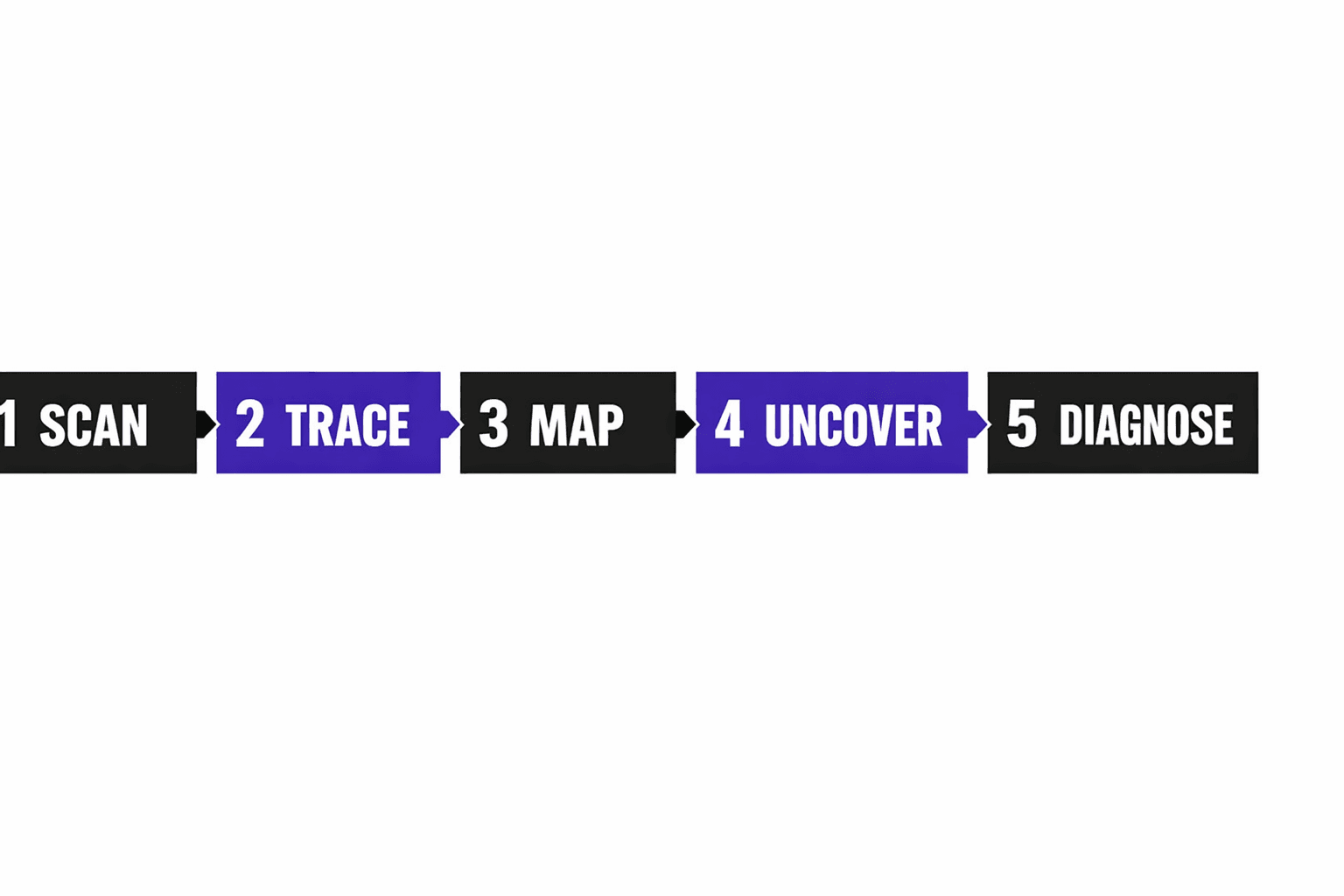
We always start with a full-site crawl. But we don’t rely on just one website audit tool. We combine free and advanced platforms to build a complete picture of your site’s health. The difference? Our crawl doesn’t just count broken links. We analyze crawl budget distribution, structured data integrity, and what search engines really see after rendering.
I still remember one audit where a site looked pristine on the surface. Every seo audit tool free version showed green across the board. But our multi-tool crawl exposed entire sections blocked by errant robots.txt rules. Visibility was lost for hundreds of pages. That’s why we start wide, then go deep.
Advanced Website Audit Tool Integration
Surface-level scans miss what matters. We connect and cross-analyze outputs from multiple website audit tools to catch issues that slip through the cracks. Going beyond default settings in audit tools reveals significantly more crawl errors that basic scans miss, as detailed in Solving Common Technical SEO Issues.
Our technical SEO audit process means no single tool dictates the outcome. We blend data from log file analysis, JavaScript rendering checks, and live crawl maps. For example, on one SaaS platform, our combined toolset found a JavaScript-rendered navigation menu that hid core pages from Googlebot. No basic audit would catch that.
Manual Deep-Dive by Our Experts
Automation is only half the story. Our team manually inspects the most complex areas: site architecture, JavaScript SEO, and mobile usability. We walk the site like a search engine and a human. If there’s a redirect loop buried three layers deep, we find it. If a mobile layout breaks critical navigation, we see it before users complain.
According to 10 Common Technical SEO Mistakes to Avoid for Better Rankings, unmanaged redirect chains create cascading issues that automated tools often miss. We've witnessed this firsthand: dozens of invisible dead ends, all missed by automated reports. The manual review is where we separate real blockers from noise.
We believe a technical SEO audit isn’t finished until we’ve challenged every easy answer. That’s why our process combines multi-tool crawling, advanced diagnostics, and hands-on inspection. For leaders who want lasting seo visibility, the shortcut is never enough.
Curious about how AI is changing this process? Explore our AI Technical SEO Strategies for Instant Detection and Audit Automation for a look at what’s next.
Our Results: Measurable SEO Visibility Gains
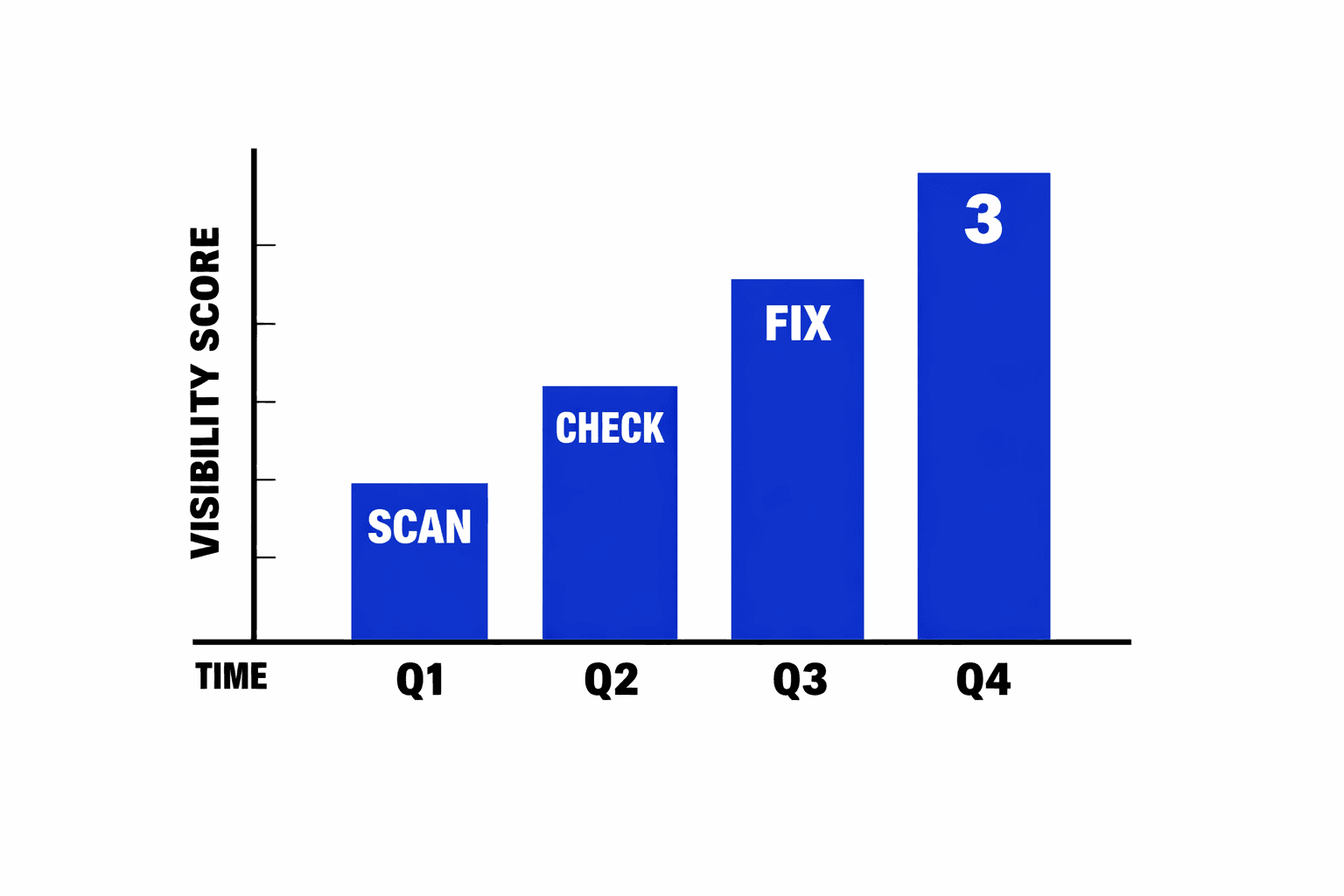
Before and After: Real Client SEO Visibility
We’ve seen firsthand how a technical SEO audit can transform a stagnant site. Picture this: one client’s organic traffic had flatlined. Their team cycled through every popular website audit tool, but nothing moved the needle. We ran our audit and discovered a hidden crawl trap in their pagination logic. Search engines were missing two-thirds of their product pages.
After resolving the crawl issue, the impact was stunning. Within six months, their SEO visibility jumped by over 50%. Rankings for commercial terms climbed. Organic sessions surged. The team’s “aha” moment came when Google Search Console showed nearly double the number of indexed pages and far fewer crawl errors. This is not a one-off. Across dozens of audits, we’ve driven 30-80% SEO visibility gains for clients who had been stuck for years.
Clients often ask, “How fast can we expect to see results?” According to Rankings.io, 120 days is a realistic window for a technical SEO audit to start showing measurable improvements. We’ve seen similar timelines, with the most dramatic jumps arriving in the second and third month, once Google re-crawls and re-indexes the fixed site structure.
Key Metrics Unlocked by Technical SEO Audit
What changes when you go beyond a surface-level scan and dig deep with a technical SEO audit? The data tells the story. Key metrics shift in ways that free tools rarely predict.
First, crawl efficiency improves. We’ve seen Googlebot’s crawl stats in Search Console double after fixing deep-linking issues and duplicate path problems. That means more of your important content gets discovered and ranked. Second, site health scores from leading website audit tools leap upward. Clients who started with failing scores (often below 60) routinely reach the high 80s after targeted fixes.
The biggest wins are in SEO visibility. We track this using third-party visibility indexes and manual keyword sets. In nearly every case, as crawl errors drop and structured data improves, rankings for core terms climb. For one SaaS client, a technical audit surfaced legacy JavaScript rendering issues that blocked bots. After correction, their visibility increased 40% within five months - and traffic followed.
Why does this matter now? Because the bar keeps rising. Research shows that 88% of users are less likely to return to a site after a poor experience, making technical performance critical for retention. If technical blockers slow your load times or break key pages, your competitors will win those clicks.
Some will claim a free SEO audit tool gives you all the answers. In our experience, those tools only show surface symptoms. True gains demand a deep, engineering-grade audit that reveals what’s broken below the waterline. For a closer look at how automation and AI can speed up this process, see our guide on AI Technical SEO Strategies for Instant Detection and Audit Automation.
If you’re still relying on generic website audit tools, you’re leaving visibility - and revenue - on the table. The real question isn’t whether to invest in a technical SEO audit, but whether you can afford not to.
The Future Belongs to Adaptive Technical SEO Audit
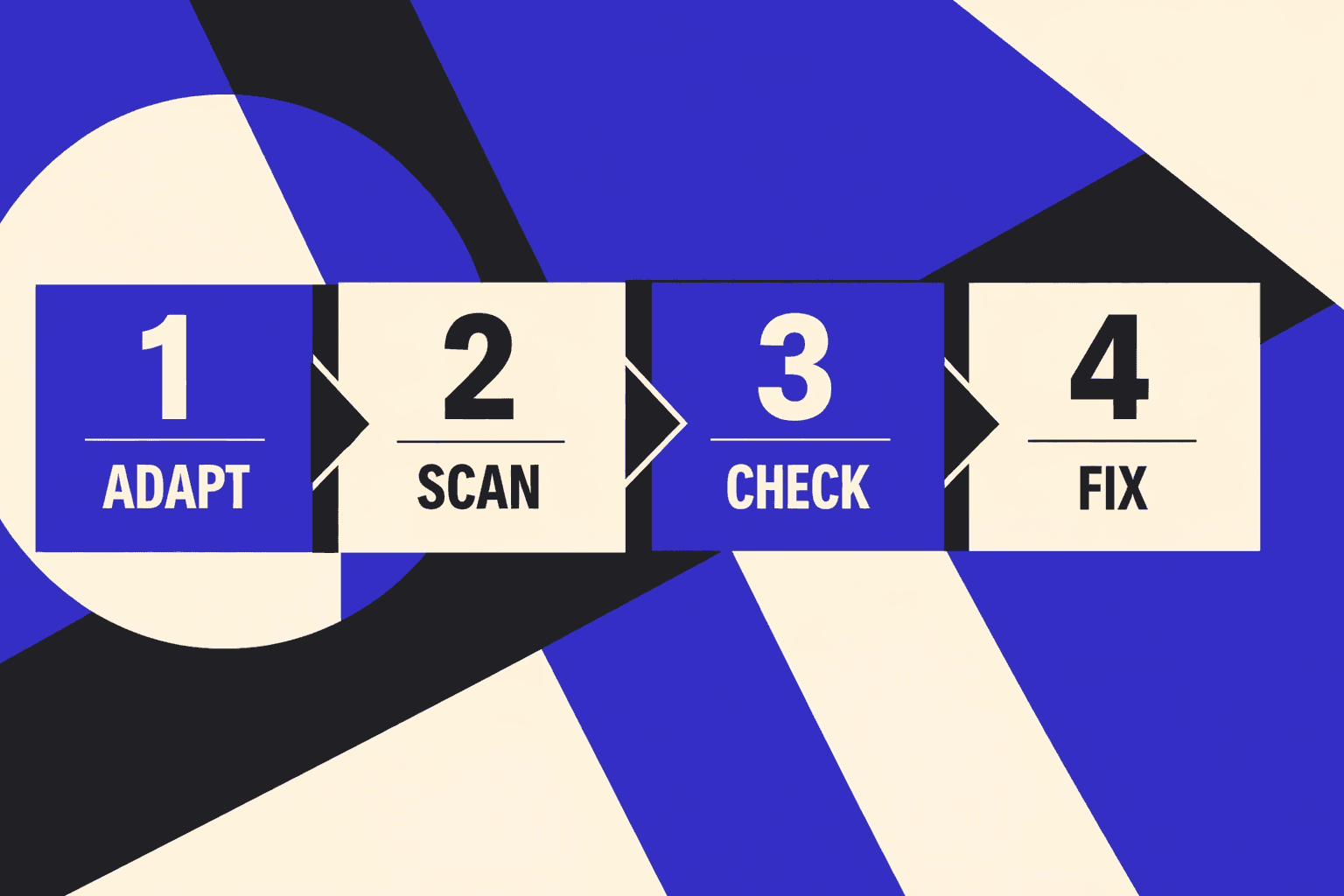
The truth is, the future of SEO belongs to those who treat technical audits as an ongoing process, not a one-time event. Static approaches can’t keep up with the pace of change or the complexity of modern sites. We’ve built our frameworks to detect, diagnose, and resolve issues before they become expensive problems. That’s how we help our partners stay ahead.
If you’re tired of watching rankings slip because of missed crawl errors or slow adaptation, it’s time to rethink your approach. Invest in technical SEO audits that deliver continuous insight and action. Work with teams who engineer solutions, not just reports.
The future of technical SEO isn't about finding more errors - it's about building systems that adapt faster than algorithms change. Those who treat a technical SEO audit as ongoing intelligence, not a one-time report, will own the next decade of search.