AI Cloud SEO Project for SaaS Teams Boosts Rankings and Performance
What if AI cloud SEO could give your SaaS team a measurable edge-faster rankings, smarter insights, and zero manual drudgery? You’re not alone in asking. As Anthropic’s $200M AI deal with Snowflake proves, the market is shifting fast. Cloud platforms aren’t just storage-they’re becoming intelligent engines that can supercharge how you handle SEO from the ground up.
AI cloud SEO is the intersection of automation, machine learning, and scalable cloud infrastructure. For SaaS teams, it means you can analyze huge datasets, optimize site performance in real time, and roll out changes instantly-all without bottlenecks. This isn’t fluff. Google’s ranking factors now reward speed, relevance, and technical excellence at scale. With AI-driven pipelines, you don’t just keep up-you leap ahead.
In this tutorial, you’ll build a working end-to-end AI-powered SEO pipeline designed for cloud-native SaaS apps. You’ll see how combining cloud APIs with machine learning improves page speed, content delivery, and data-driven decision making. We’ll pull apart why these tools matter right now-especially as the landscape changes under your feet.
By the end, you’ll know exactly how to connect AI-enhanced cloud services to your workflow for real-world ranking gains. Ready to see how top SaaS teams are redefining SEO? Let’s dig in-because waiting on legacy tools is no longer an option. For more on emerging frameworks and use cases, check out AI-Powered Cloud-Based SEO Optimization Frameworks and How AI Is Transforming The Future Of SEO.
Prerequisites for Building an AI Cloud SEO Project
Technical skills and knowledge required
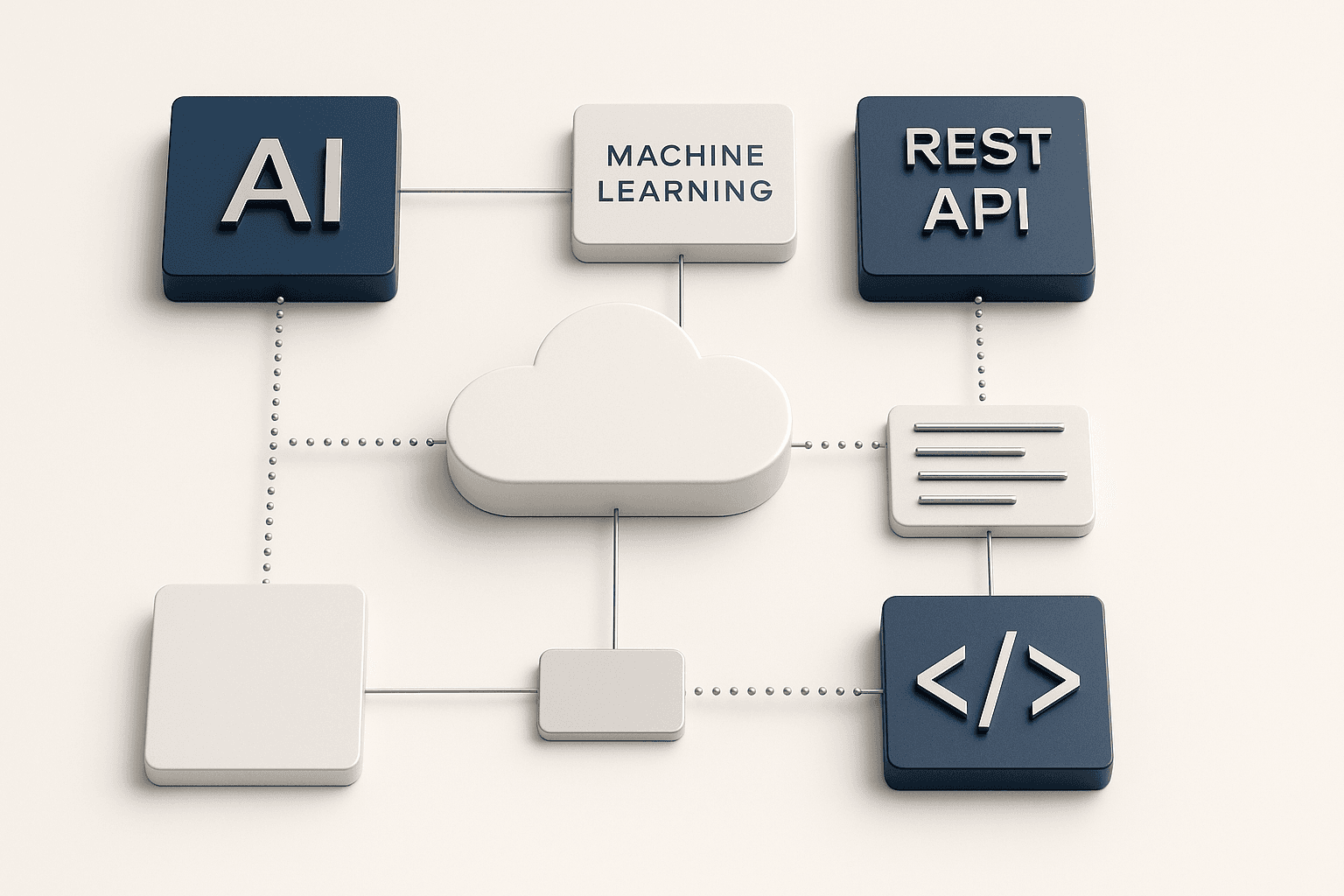
To build a real AI-powered cloud SEO pipeline, you need the right foundation. Start with cloud basics-think IAM roles, S3 buckets, or VPCs. You should write clean code in Python or Node.js. REST API knowledge is key since most seo tools and data providers use them to deliver results.
You’ll also want to understand machine learning concepts. For example, training a model to predict which pages need optimization is like tuning Google’s own ranking signals-fast iteration matters. If you’re coming from pure dev ops or SaaS engineering, brushing up on SEO fundamentals pays off: think structured data, sitemaps, and Core Web Vitals (source).
Accounts, tools, and cloud services you’ll need
You can’t run without accounts on major platforms. Set up Snowflake for warehousing large datasets at scale. Grab AWS (or GCP/Azure) for compute power and storage flexibility-Lambda functions work well for scheduled crawls.
Sign up for MygomSEO to audit sites programmatically. Add access to leading AI SEO tools-SurferSEO or Clearscope are popular picks among technical marketers.
Recommended SDKs include Boto3 (AWS), snowflake-connector-python (Snowflake), and openai/anthropic SDKs for LLM-driven analysis. Pull data from Google Search Console and Ahrefs APIs. With this stack, you’re ready to build scalable pipelines embracing the future of AI-driven SEO.
Part 1: Setting Up the Cloud SEO Foundation
Creating the simplest working version: cloud crawler and data pipeline

By the end of this section, you’ll know how to build a basic cloud-powered SEO setup. The goal? Crawl pages at scale, collect data, and make it actionable-fast.
First, spin up a lightweight crawler as a cloud function or container. Think AWS Lambda or Google Cloud Run. Why not run locally? Because your SaaS platform needs elasticity. With serverless, you process hundreds-or thousands-of URLs in parallel without sweating infrastructure.
For example, let’s say you crawl 500 product pages every hour. Storing results on disk won’t cut it at scale. Instead, pipe your structured crawl data into scalable storage like Snowflake or BigQuery. This isn’t just about size-it’s about speed and reliability when querying millions of rows for trends.
Connect this pipeline to the MygomSEO API early-even if it’s just sending sample page stats-to verify that your extractor works in real-world conditions. The sooner you hit an API with real data, the faster you catch edge cases.
If you run into connection drops or throttling issues, check your cloud provider limits and retry logic before scaling up.
Why this architecture and how it works for SaaS scalability

So why architect things this way? In short: flexibility and future-proofing. You want each part-crawler, pipeline, analytics-to be modular. If one provider hiccups (think recent Snowflake outages), swap components without breaking everything else.
Cloud services let you scale horizontally on demand. It’s like adding checkout lanes during a holiday rush-you serve more users without slowing anyone down.
AI enters here as an accelerant-not just automating tasks but also making sense of patterns humans miss. For example, AI-powered frameworks can flag technical SEO issues across huge datasets instantly-something manual teams would need weeks to do.
As Forbes explains, AI in the cloud means smarter recommendations and continuous optimization as your content evolves.
In practice? You get speed boosts from global infrastructure plus insights only possible with modern ai cloud seo techniques-all built to optimize for relentless SaaS growth.
Part 2: Integrating AI for Enhanced SEO Analysis
Connecting machine learning models to your pipeline

By the end of this section, you’ll know how to plug AI into your cloud SEO stack. The goal here is simple-let machines do the heavy lifting on analysis and insights.
Start by adding an artificial intelligence API or hosted model. For example, you can use OpenAI or Anthropic’s APIs for natural language processing. These models scan your crawled pages, find patterns, and deliver recommendations in real time.
Here’s a basic Python snippet using OpenAI’s GPT API for content analysis:
import openai

openai.api_key = 'YOUR_API_KEY'

def analyze_content(text):
    response = openai.Completion.create(
        engine="gpt-4",
        prompt=f"Analyze this content for SEO improvements: {text}",
        max_tokens=150
    )
    return response['choices'][0]['text']
openai.api_key = 'YOUR_API_KEY'
import openai

openai.api_key = 'YOUR_API_KEY'

def analyze_content(text):
    response = openai.Completion.create(
        engine="gpt-4",
        prompt=f"Analyze this content for SEO improvements: {text}",
        max_tokens=150
    )
    return response['choices'][0]['text']
What’s happening here? You send page content to the AI model. It returns specific suggestions-maybe you’re missing semantic keywords, or your title tag structure is off.
Automate keyword clustering next. Instead of hours spent in Excel, use k-means clustering on keyword intent and topical groups. This lets you map user intent at scale-a huge win for SaaS sites with thousands of landing pages.
When a new batch of crawl data lands in Snowflake, trigger an ML pipeline that clusters keywords and tags each URL with its best-fit topic and intent.
Using AI-powered SEO tools for smarter audits
Let’s talk tools. Out-of-the-box AI seo tools like Clearscope, SurferSEO, or MygomSEO cut through noise fast. They audit content quality algorithmically-not just checking boxes but surfacing what actually moves rankings.
For example: Run a sitewide audit with MygomSEO's API after connecting it to your cloud crawler output. The tool flags slow-loading scripts, thin pages, broken links-then suggests technical fixes prioritized by impact.
This kind of automation means you stop guessing and start acting on data-backed insights immediately.
According to Forbes, artificial intelligence now powers everything from search intent mapping to automated SERP tracking at scale.
In summary: AI automates repetitive SEO tasks-clustering keywords, analyzing page quality, pinpointing technical issues-and gives you actionable steps instead of generic advice. That’s how modern SaaS teams outpace old-school manual workflows. Learn more about these frameworks in this overview.
Part 3: Automating Content Delivery and Technical Improvements
Using AI to optimize page speed and content delivery
By the end of this section, you'll know how to leverage AI-powered cloud services to boost technical SEO. Page speed is a ranking factor-Google says so. But can AI actually improve it? Yes, and here’s how.
Think of your cloud as an auto mechanic with superhuman reflexes. For example, you can deploy serverless functions that react instantly when new content goes live or old assets need compression. Instead of waiting for scheduled jobs or manual triggers, these functions analyze file types on the fly.
Let’s say you upload a 3MB hero image. An AI model detects the oversized asset and automatically compresses it-WebP if Chrome, AVIF if Safari. It then updates your CDN cache within seconds. This keeps your Largest Contentful Paint (LCP) in check without constant oversight.
But it goes deeper than images. Modern ai seo strategies use natural language models to rewrite meta tags, analyze structured data gaps, and even tweak critical CSS order-all programmatically on deployment hooks. Real SaaS players like Notion or Figma do this at scale: they let AI tools handle edge optimizations so devs focus on features instead of firefighting performance issues.
For more details on frameworks enabling this shift, see AI-Powered Cloud-Based SEO Optimization Frameworks.
Triggering fixes and updates automatically
Now let’s automate those improvements beyond one-off fixes.
Imagine a system where every time Lighthouse scores dip or Core Web Vitals lag, an alert triggers targeted code changes through cloud functions. No human needs to intervene unless something breaks badly.
For example: An anomaly detector flags slow-loading scripts after a deploy. A cloud function rewrites resource priorities in your HTML head based on real user metrics from the last hour-not yesterday’s lab tests.
These automations don’t just save time-they make technical SEO proactive instead of reactive. That’s why leading-edge seo strategies are now built around automation loops powered by AI insights rather than static checklists (How AI Is Transforming The Future Of SEO).
Monitor everything with dashboards wired to your pipelines-measure what matters right after every change-not weeks later when rankings drop unexpectedly.
Automated delivery plus smart monitoring is where next-gen technical SEO wins big for SaaS teams using cloud platforms today.
Conclusion
You’ve now seen how to architect, test, and monitor an AI-enhanced SEO pipeline that’s cloud-native from the ground up. By embracing automation at every layer-data collection, analysis, delivery, and oversight-you’re building a system that not only scales but actively adapts to search changes and technical surprises. The real payoff? Faster insights, cleaner execution, and SEO wins you can actually measure.
Your next move: treat your workflow as living infrastructure. Tune your monitoring alerts. Automate what breaks most often. Schedule regular crawl tests to catch blind spots before Google does. This is engineering-driven SEO-a discipline where rigor matters as much as creativity.
If you keep iterating on these foundations, you won’t just keep pace with shifting algorithms or cloud disruptions; you’ll lead the pack.