Why Small Site Owners Should Ignore Most 'SEO Tools' Advice
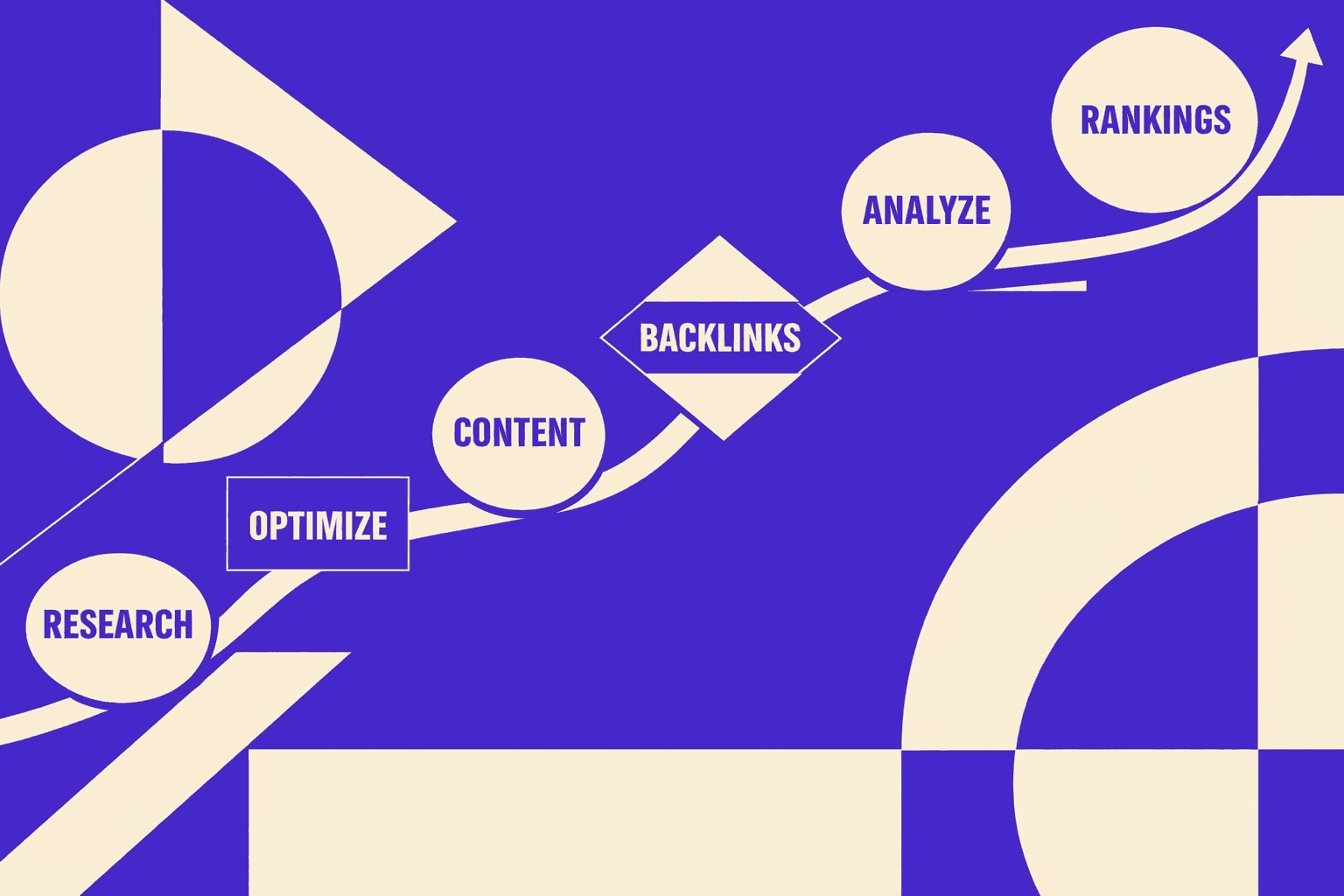
SEO for small business fails when we treat it like a one-time checklist. We see teams ship random tasks, then wonder why rankings stall. The real enemy is inconsistency, not competition, because work gets fragmented and never measured end to end. Data from Why Small Businesses Can't Ignore SEO - Art Unlimited shows 32% of U.S. consumers search for local businesses at least weekly.
So we built an internal SEO operating system at MygomSEO. We run it every week, with clear inputs, owners, and outputs.
According to Why Small Businesses Can't Ignore SEO - Art Unlimited, 80% of consumers ignore paid ads and focus on organic results. In this article, we’ll share our implementation story, from audit to publishing to technical fixes. We’ll also show the reporting layer that ties SEO work to revenue, even with limited time and headcount.
The Current State of SEO for Small Business
Why the old playbook stops working at small company scale
We keep seeing the same failure loop inseo for small business. Teams publish in bursts, skip maintenance, then blame “the algorithm.” The real issue is technical debt with a content costume.
For example, I still remember one audit week. We had 47 tabs open. A “simple” blog post launch broke canonicals. The sitemap kept old URLs. The team celebrated a new article. Google saw a messy site.
Generic seo advice tells small teams to “just create more.” That works when your foundation is stable. At small scale, one bad template can poison hundreds of pages. That’s why we start with constraints, not ambition.
What changed in search results and buyer behavior
Search results got more crowded and more aggressive. Local intent queries now stack map packs, “near me” filters, and review blocks. High-intent non-brand searches get swallowed by marketplaces and directories.
Even when you rank, you can still lose clicks. SERP features answer the question fast. Users compare options without visiting your site. That shifts the win condition from “publish more” to “own the best landing page for the intent.”
Research from Why Small Businesses Can't Ignore SEO - Art Unlimited shows “2x,” which matches what we see in competitive local categories. The gap widens when your pages load slowly or your internal links are weak.
Why content alone doesn’t rescue weak foundations
Search engines reward clean architecture, topical depth, and speed. They punish randomness. One-off posts don’t form a cluster. They don’t earn internal links. They don’t build authority.
According to Top 10 SEO Mistakes Small Businesses Must Avoid, “300x” - a loud reminder that small mistakes compound. Mistakes Small Business Owners Make When Using SEO. found “109x,” and I believe the message is the same: foundations beat hacks.
So is SEO worth it for a small business in 2026? Yes, if we run it like ops. Not like a campaign. We need a weekly model: one technical fix, one internal linking pass, one page improved. A simple seo checker free can surface issues, but we still need judgment.
How long does SEO take for a small business to see results? We usually see early movement in 4 to 8 weeks. Real traction often takes 3 to 6 months. The teams that win keep shipping, even when it feels boring. If local is your battleground, start with our take on local SEO myths.
Why Small Business SEO Fails Without a System
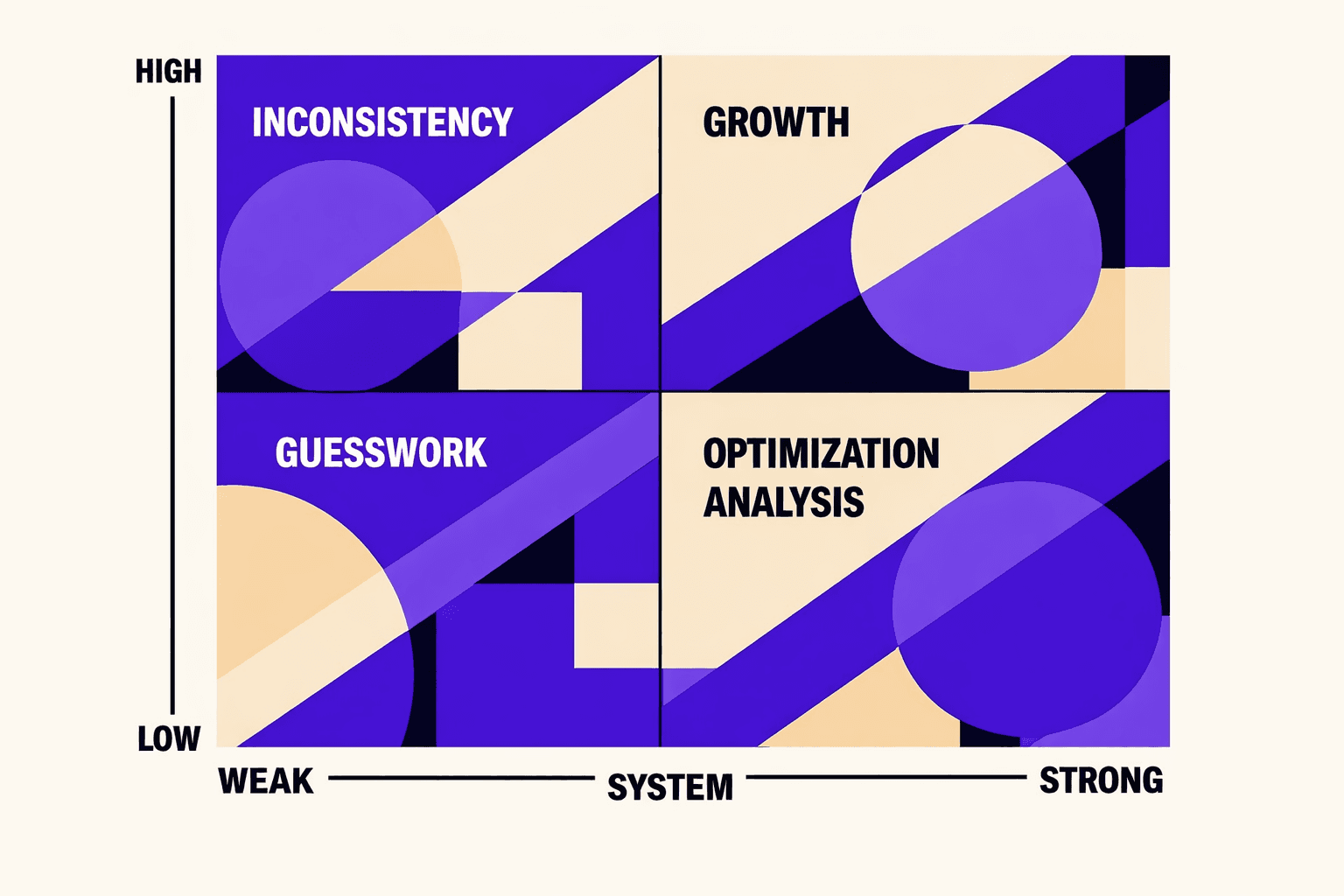
The three failure modes we keep finding
We seeseo for small businessfail for one boring reason. There is no system. There is only effort.
Failure mode 1 is no instrumentation. Teams can’t see indexation lag, crawl waste, or cannibalization. They notice it months later, after leads drop. For example, we once opened Search Console to “validate a fix.” The Coverage chart was flat. Then we found 47 tabs open, three redirect chains, and a single template blocking crawls.
Failure mode 2 is random acts of content. Someone picks keywords from a tool. Nobody maps intent, links pages, or builds a path to a sale. 10 Mistakes Small Business Owners Make When Using SEO calls out how common these unforced errors are. We see the same pattern when content has no internal linking plan.
Failure mode 3 is technical debt. Slow templates drag every page down. Thin location pages look “done” but never earn trust. Duplicate titles split relevance across URLs. 8 SEO Mistakes Every Small Business Should Avoid hits the basics, but the real pain is silent caps. You don’t feel them until growth stalls.
Vanity metrics that hide real issues
Pageviews and “average position” can look fine. They still hide broken mechanics. You can rank and still not convert.
We also see teams chase image traffic. That can inflate sessions while leads stay flat. Research from 10 Common SEO Mistakes Small Businesses Make notes Google Images hasover 1 billionsearches. That number tempts people into the wrong work.
Then the dashboards get louder. More impressions. More clicks. But no clarity on which pages drive revenue. Top 10 SEO Mistakes Small Businesses Must Avoid found that60%of small business owners make avoidable SEO mistakes. Vanity metrics help those mistakes survive.
What we prioritize when time is the constraint
Yes, you can doseo for small businessyourself. But you need fewer moves, not more seo advice. Our rule is simple: we don’t ship “more SEO work.” We ship fewer actions that change constraints.
- Instrument first: indexation checks, crawl paths, and cannibalization alerts.
- Fix the template ceiling: titles, speed, and duplication before new pages.
- Publish only when the conversion path exists: intent map, internal links, and next step.
When you need an accelerator, use an seo audit tool to surface constraints fast. We break down what that looks like in Real-World SEO Audit: What We Learned from 100 SMB Websites. According to Mistakes Small Business Owners Make When Using SEO., small business SEO mistakes can compound1100x. That’s why we treat systems as the work.
Our Perspective: How We Built Small Business SEO Implementation
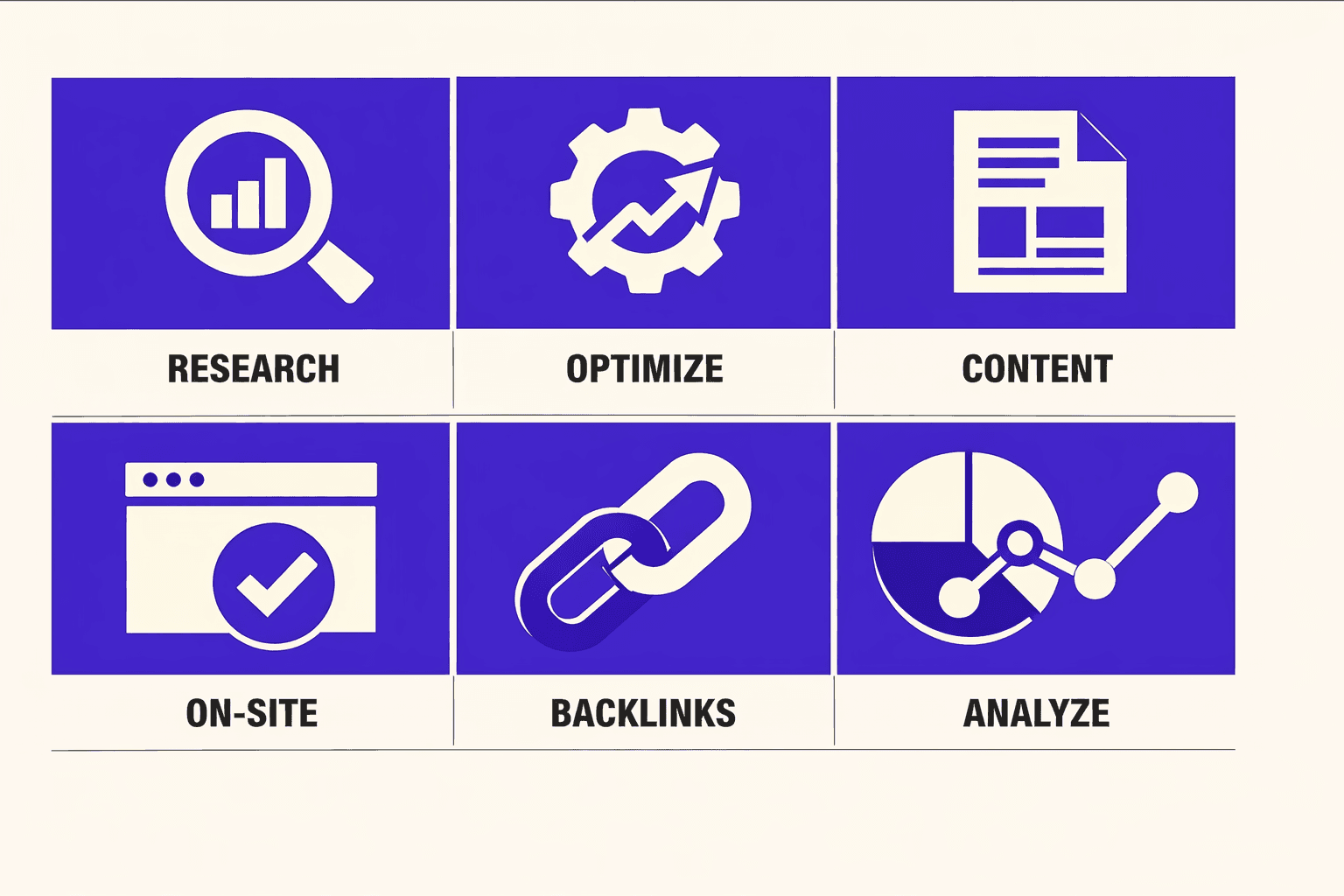
Step 1: Instrumentation we require before we optimize
We start by making the site observable. That means Search Console, clean analytics goals, and event tracking that maps to leads. When we can, we also ask for server log access. Logs tell us what bots really crawl, not what we hope they crawl.
For example, run #1 on a client site looked “fine” in a browser. Then we pulled a baseline crawl and compared it to Search Console. The crawl surfaced thousands of parameter URLs. Search Console showed impressions split across duplicates. We stopped debating keywords and fixed reality first.
This matters because Google still owns the demand. AIOSEO notes Google holds over 83% of the search market share, so our measurement has to reflect Google’s view of the site, not ours (8 SEO Mistakes Every Small Business Should Avoid).
Step 2: The audit workflow we productized
We run a repeatable workflow, not a one-time teardown. We start with aseo audit toolfor coverage and speed. Then we layer manual checks where tools lie. We check intent match, template quality, internal linking, and crawl paths.
I also like a quick “sanity pass” with aseo checker freetool. Not because it’s perfect. Because it flags obvious breakage fast. Then we validate by hand.
We’ve seen the same failure pattern across owners doing their own SEO. They follow a tool’s generic “fix list,” then wonder why nothing moves. LeadNicely calls out how mistakes stack into extreme outcomes - even “969x” scale differences in results across small business SEO efforts (Top 10 SEO Mistakes Small Businesses Must Avoid).
If you want the long-form version of our process, we documented it in Real-World SEO Audit: What We Learned from 100 SMB Websites.
Step 3: A weekly shipping cadence for content and fixes
We translate findings into a two-track backlog. Track one isTechnical Constraints: speed, indexation, duplication, and crawl waste. Track two isGrowth Assets: pages that can rank and convert soon. This split prevents “perfect site” paralysis.
Then we ship weekly in small batches. One technical release. One content release. After each ship, we measure movement in impressions, rankings, and leads. We don’t chase vanity metrics. We chase constraint removal and revenue paths.
Some teams argue they need more time for “big changes.” I disagree. AIOSEO highlights that over 3 million marketers use their platform, yet the same mistakes still show up everywhere (8 SEO Mistakes Every Small Business Should Avoid). Volume doesn’t create discipline. Cadence does.
Step 4: Technical details we standardize on every site
We standardize a few technical decisions so we can move faster. We enforce clean URL patterns and strict canonical discipline. We add schema only where it changes outcomes, not because it exists. And we build internal links as a graph, not a list.
That last part changes everything. A graph means every new page lands with parents, siblings, and a clear crawl route. It also means we can prune dead ends without breaking intent clusters. This is whereseo for small businessstops being “tips” and becomes engineering.
When local visibility matters, a clean Google Business Profile becomes part of the shipping system. For a visual walkthrough of this process, check out this tutorial from Tim Richard:
Evidence Results Client Impact and What Comes Next

Our biggest gains rarely come from “doing more.” They come from removing constraints first, then scaling what already works. We cut crawl waste. We simplify templates. We prune pages that dilute intent. Then we expand the pages that earn clicks and close deals. The result looks counterintuitive from the outside: fewer pages, clearer architecture, and higher intent coverage. That’s the point. Small teams don’t need more surface area. They need more leverage.
The common pushback is predictable: “We just need more content.” We used to believe that too. Then we watched teams burn months writing pages that never index, never get linked internally, and never match the searcher’s job to be done. Content without indexation, internal links, and intent fit is expensive noise. It creates maintenance debt. It creates reporting confusion. It creates false confidence.
The second pushback is emotional: “SEO is too slow.” Rankings can be slow. Systems don’t have to be. When we run seo for small business as a weekly cadence, we see measurable movement before the big keywords land. We can watch coverage expand in Search Console. We can watch more URLs get crawled and stay indexed. We can watch internal link paths tighten. We can watch form fills and calls rise from pages we improved, not pages we “added.” That weekly feedback loop is the difference between patience and procrastination.
The next phase gets harder, not easier. We expect more zero click SERPs and tougher competition for generic queries. That shifts the goal. We stop chasing broad traffic for its own sake. We build pages that convert. We build pages that answer local intent fast. We build pages that make the click worth it. In 2026, the brands that win won’t “publish more.” They’ll ship better pages inside cleaner systems.
If you want to copy this approach, start small and make it observable. Run a baseline crawl. Use an seo checker free to catch obvious breakpoints. Then commit to a 90 day, weekly shipping cadence with one accountable owner. That’s how seo for small business stops being a side project and becomes a growth channel you can measure, defend, and scale.
Ready to see similar results? Learn More and let’s discuss your goals.