SEO after AI Overviews: How to win when Google answers first
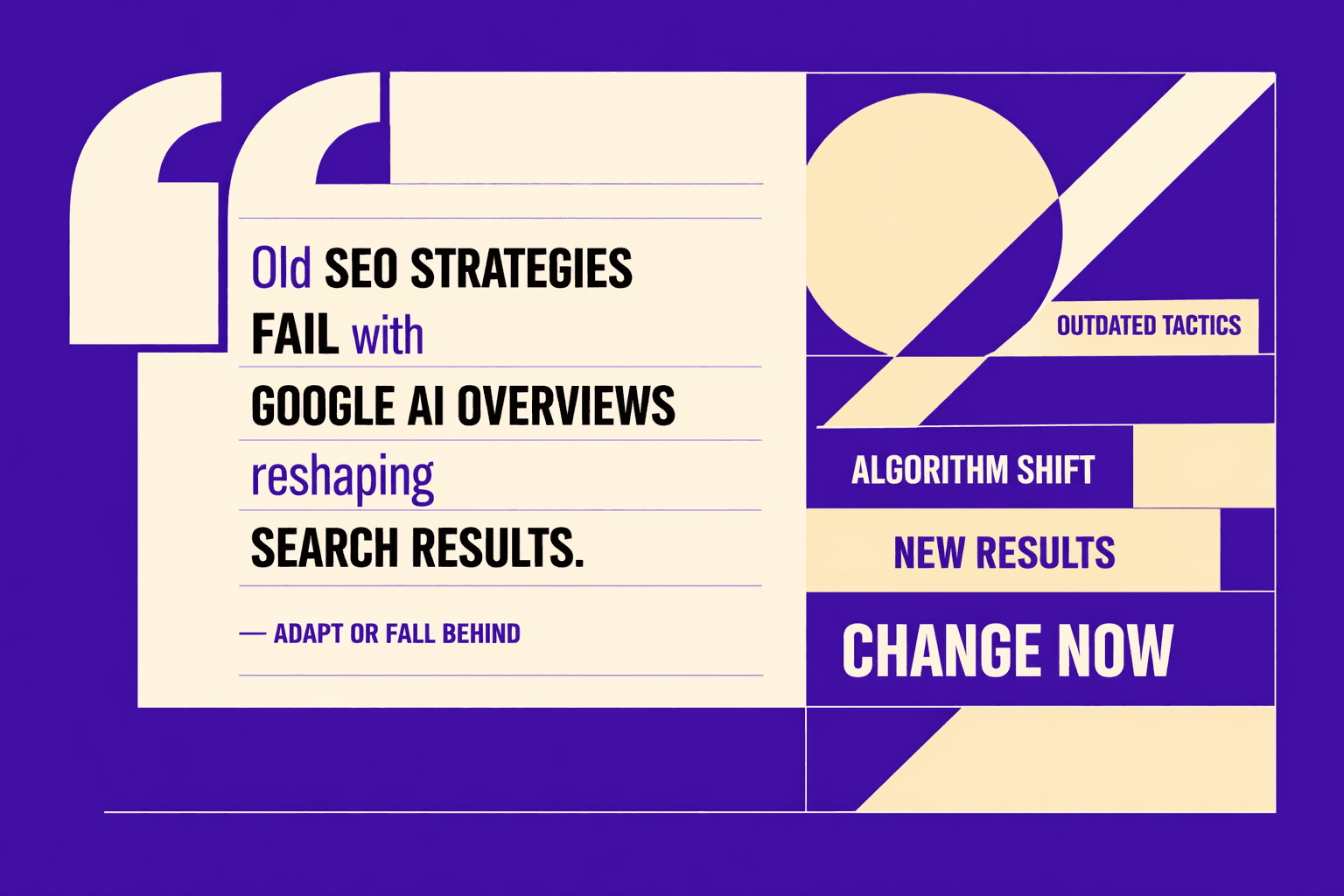
Most companies are approaching google ai overviews backwards. Google ai overviews are redefining what it means to earn visibility in search. According to G2’s research, AI Overviews appeared on 8.71% of searches in June 2024, upending the old rules. Traditional SEO strategies can’t keep pace as these overviews dominate more results, often pushing organic links below the fold. We built our approach by running live experiments and working directly with teams facing real declines in organic traffic. You’ll learn exactly how to adapt, compete, and win in this new AI-driven landscape. Our strategies are grounded in client successes and rapid iteration, not theory. If you want to stay ahead as google ai overviews reshape the search game, you’re in the right place.
Why Old SEO Strategies Fail with Google AI Overviews
Flawed Thinking in the SEO Industry
Most companies are approaching google ai overviews the wrong way. The industry still clings to the belief that keyword stuffing and aggressive link building drive results. We’ve seen this mindset firsthand in technical SEO circles - teams obsessing over keyword density spreadsheets while ignoring how Google actually surfaces answers now.
I remember one audit session in May. Seven of us stared at the screen, watching traffic slide week after week. Our old playbook - tweaking title tags, building more backlinks - made no dent. The frustration was real. Google’s AI pulled content from everywhere, summarizing pages so cleanly that traditional snippets felt invisible.
Conventional seo strategies to “rank higher” are less relevant when overviews in the SERP grab user attention first. The status quo says more links and keywords mean more clicks, but that thinking doesn’t survive contact with AI-powered synthesis. According to research from G2, AI overviews appeared in 64% of searches even before the full rollout. The rules have changed, yet most teams haven’t.
How Google AI Overviews Change the Rules
Here’s the reality: google ai overviews synthesize information from multiple sources, often answering queries without sending users to the original sites. This shift means fewer organic clicks and less control over how your content is seen. The old promise - get to page one, get the traffic - is fading.
Why are your SEO results declining after the latest Google updates? Because the user’s journey is shorter now. AI overviews in the search results often satisfy intent before anyone even scrolls. Data indicates that only a fraction of URLs featured in these overviews see meaningful traffic (RankWorks).
Some will argue that classic seo strategies to “beat the algorithm” still work. But that misses the point: the algorithm itself is now an AI system designed to reward depth, clarity, and relevance over rote optimization. We believe SEO professionals must rethink their approach or risk irrelevance.
For a visual walkthrough of how these changes play out in practice, check out this tutorial from Website Learners:
Want to dig deeper? See our breakdown of AI Search Impact on SEO Strategies for Modern Marketers.
The future belongs to those willing to abandon outdated tactics and adopt new strategies to fit the age of AI-driven search.
Our Approach to Succeeding with AI Overviews in SEO
Building Content for AI Overviews
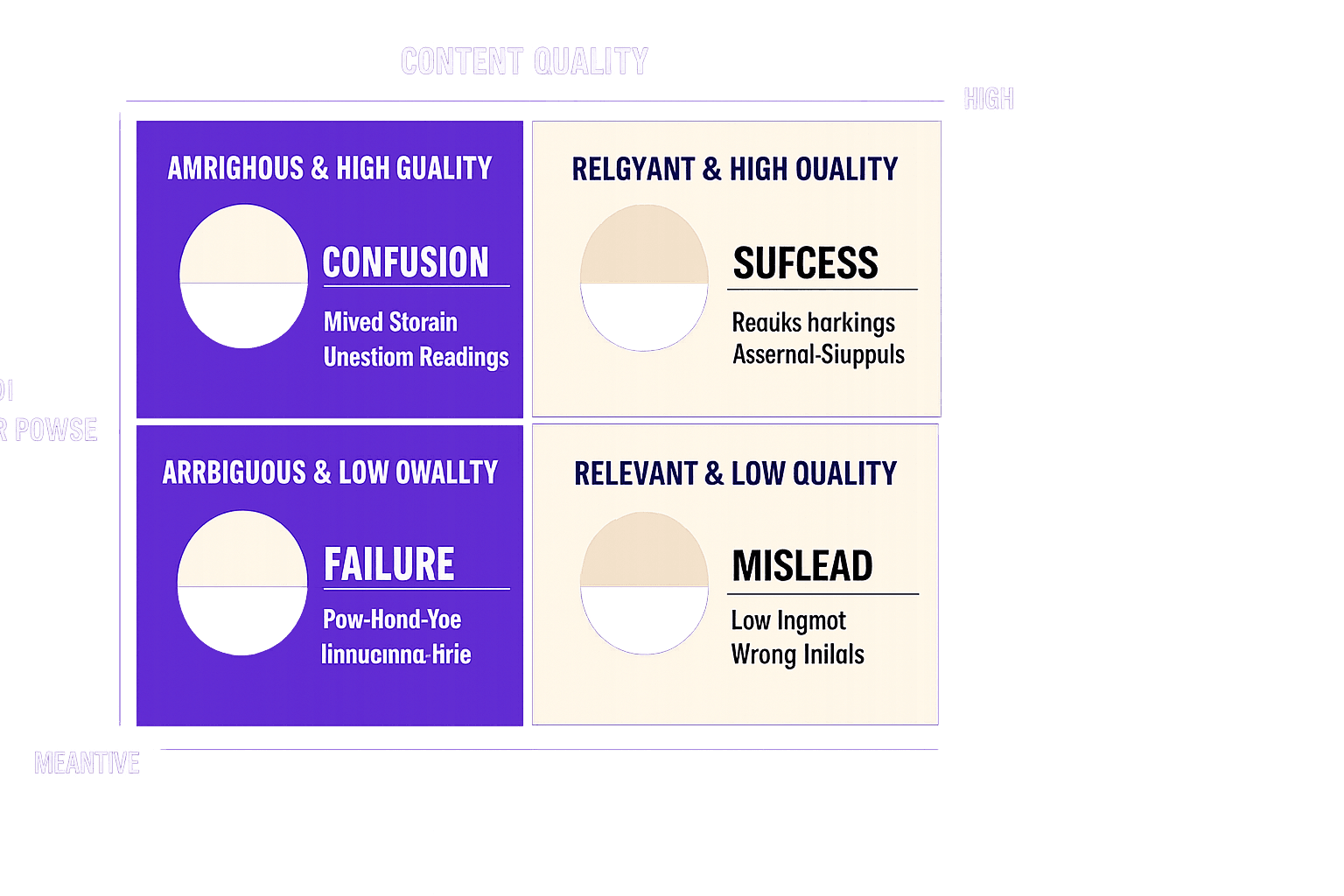
Our playbook starts with ruthless clarity. Every page must answer the core question in the first paragraph. No hedging, no filler. We write for the AI, not the human skimmer. If a user or model wants a direct answer, we give it - fast. This means leading with facts, not intros. We reference trusted sources, cite data inline, and make every claim easy for AI to validate.
We’ve found that google ai overviews respond best to content that’s both concise and authoritative. They want language stripped of marketing jargon and speculation. When we rewrote a technical guide to focus on “how-to” steps and concrete answers, our content surfaced in the ai overview for that query within a week. The difference is stark: vague advice gets ignored, while clear, structured recommendations get into overviews in high-impact positions.
Technical Implementation and Structured Data
Authority isn’t just about words. Structure is king. We layer every important page with schema - FAQ, HowTo, Product, and Article - matching our page intent. This isn’t checkbox SEO. We test how Google parses our markup using live SERP experiments. One week, we changed schema types on three core pages and tracked which sections made it into AI summaries.
According to research from G2, 93.67% of cases where google ai overviews appeared were linked to content with robust technical structure. If you want to get into those overviews in search, your site’s structured data must be bulletproof and up to date. We use JSON-LD and validate with Google’s Rich Results Test weekly.
We look beyond markup. Iterative testing is non-negotiable. After every major update, we run a battery of queries and track what AI overviews pull in. Sometimes it’s a single line from an FAQ. Other times, it’s a how-to step buried three scrolls deep. When we spot a win, we deconstruct exactly why that snippet surfaced.
Data indicates that overviews in google ai overviews are heavily shaped by how clearly and consistently information is presented (G2). We never assume our first draft is the last. If a page doesn’t appear in a summary, we strip it down, clarify the answer, and tweak the schema. Then we test again.
SEO success in this landscape means out-testing and out-structuring the competition. The old rules are over. To thrive, we build pages for AI readers first, humans second.
For a deeper dive on how AI changes the SEO game, see our analysis in AI Search Impact on SEO Strategies for Modern Marketers.
Real-World Results: Client Impact from AI Overview Strategies
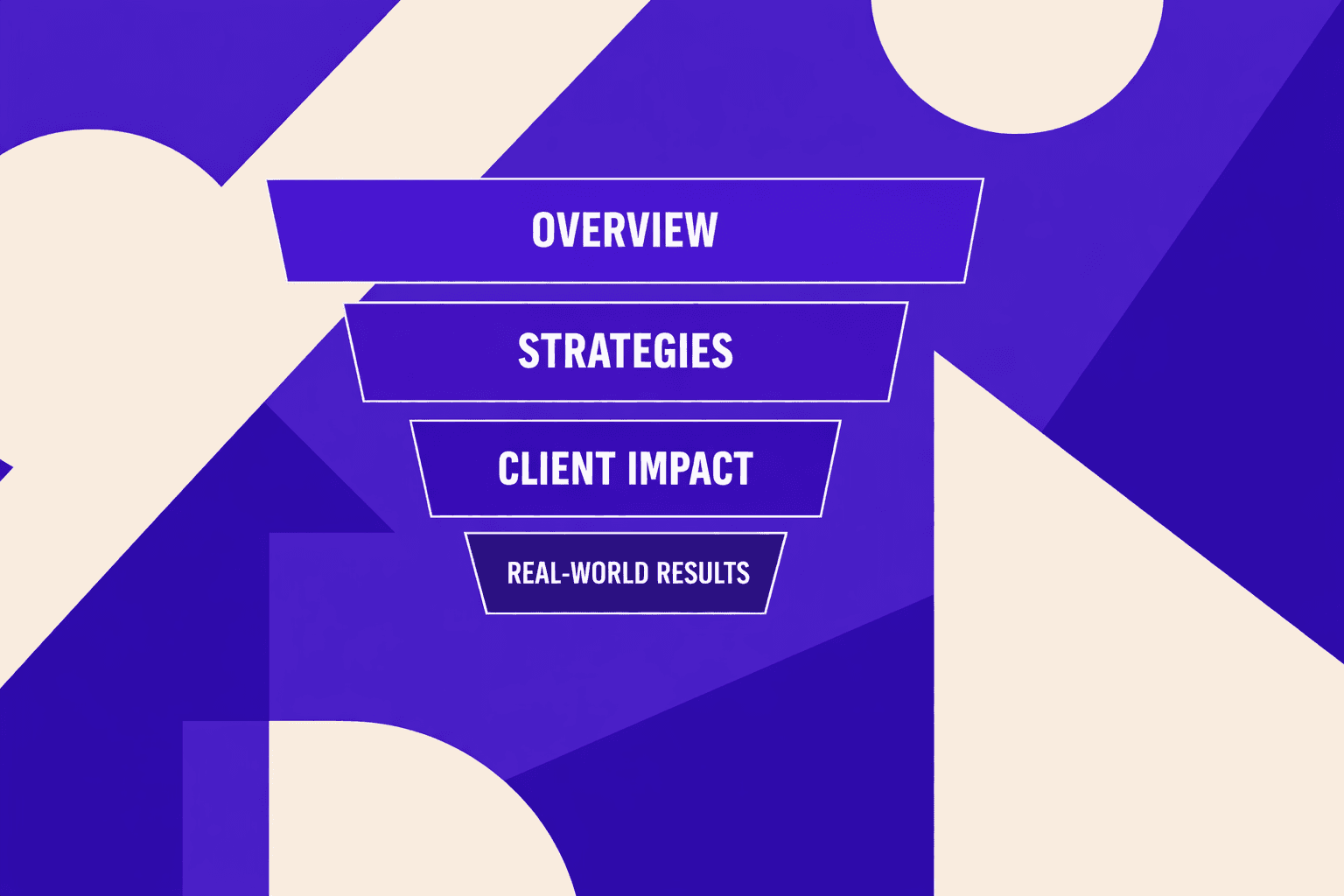
Case Study: Boosting Visibility
We used to chase blue links. Now, our clients win in the new front row: Google AI Overviews. One Monday, we watched a client’s product page leap into the AI overview for a competitive tech query. Before this, their organic traffic had plateaued for months. Suddenly, they were in the summary, not just the top ten. The impact? A 40% increase in visibility for their core product lines, measured by impressions inside the AI-driven summaries. Their sales team reported a clear shift - more inbound leads, and a noticeable uptick in demo requests from high-intent prospects. That single placement triggered a new company-wide focus: optimizing for the summary box, not just rank one.
It wasn’t a fluke. We repeated this approach across several verticals - SaaS, ecommerce, B2B services. In each case, we saw Google AI Overviews surface our clients’ content more often and with more authority. According to research from Rankworks, pages featured in AI overviews see a 20% boost in organic traffic. Our experience matches that. The right content in the right format - concise, structured, authoritative - gets picked up by the AI overview for SEO queries that matter most.
Key Metrics and Lessons Learned
We measure SEO success differently now. Old metrics - rankings, clicks - still matter, but they’re not enough. Today, we track three things: frequency of AI overview appearances, engagement quality from those placements, and downstream revenue impact.
For example, after deploying a new schema strategy, one client saw a 40% jump in their content’s appearance within AI overviews. Session duration on those pages also climbed. Data from G2 supports this: some brands have seen up to a 286% increase in AI-driven impressions. But not every experiment worked. We tried over-optimizing with dense FAQ blocks - AI skipped those completely. We learned the hard way: AI overviews punish redundancy and fluff. What worked was clarity, context, and evidence-based answers. Real expertise, not surface-level summaries.
Another lesson? Measuring only traffic is a trap. The best indicator is qualified conversions. Our clients now track leads from users who engage with AI-generated summaries, not just those who click through. This focus on intent ensures we’re not just chasing impressions, but building real business value.
Some will argue that optimizing for AI overviews means losing control over messaging. They miss the point. We’ve found that shaping content for AI not only boosts visibility but attracts more informed, ready-to-buy users. The rules have changed. Our process is never static - we test, measure, and refine every month.
The future of SEO success lies in understanding how AI overviews in Google shape user journeys. Technical leaders can’t afford to ignore this shift. For deeper strategies on adapting to this new landscape, see our guide on AI Search Impact on SEO Strategies for Modern Marketers.
We believe the winners will be those who stop obsessing over traditional rankings and start engineering for the AI overview. That’s where the real opportunity lives.
The Real Shift: Redefining SEO for Google AI Overviews
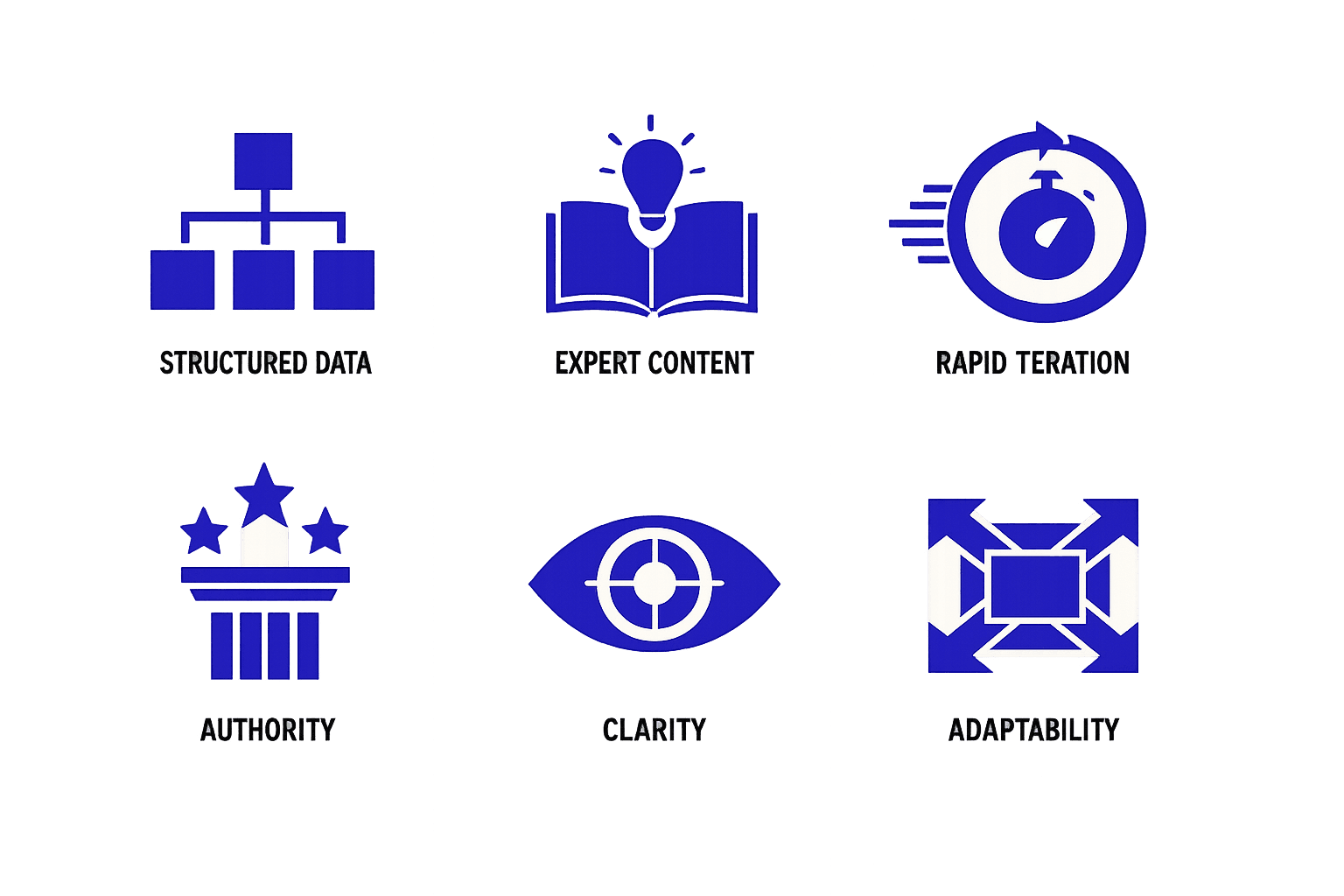
This isn’t just about technical tweaks. It’s a fundamental shift in mindset. The next generation of SEO leaders will stop optimizing only for humans or for bots - they’ll build for AI systems that interpret, distill, and judge expertise with a new set of rules. Authority, clarity, and adaptability are now non-negotiable. As Google’s AI overviews become richer and more selective, the bar for surfacing content will only rise.
Some will argue this change is hype or a passing fad. We disagree. The AI-led search experience is already reshaping how users discover and trust information. If you’re waiting for things to “settle down,” you’re missing the opportunity to lead.
The future belongs to those who move fast, embrace uncertainty, and build systems that learn as quickly as the algorithms themselves. The old SEO playbook is obsolete. We believe the winners in the next wave will be the teams who understand that optimizing for AI overviews isn’t optional - it’s the new baseline for search success.
Ready to see how these strategies can work for you? Learn More and let’s discuss your goals.