The Only 3 Metrics That Matter in a Technical SEO Audit (Everything Else is Noise)
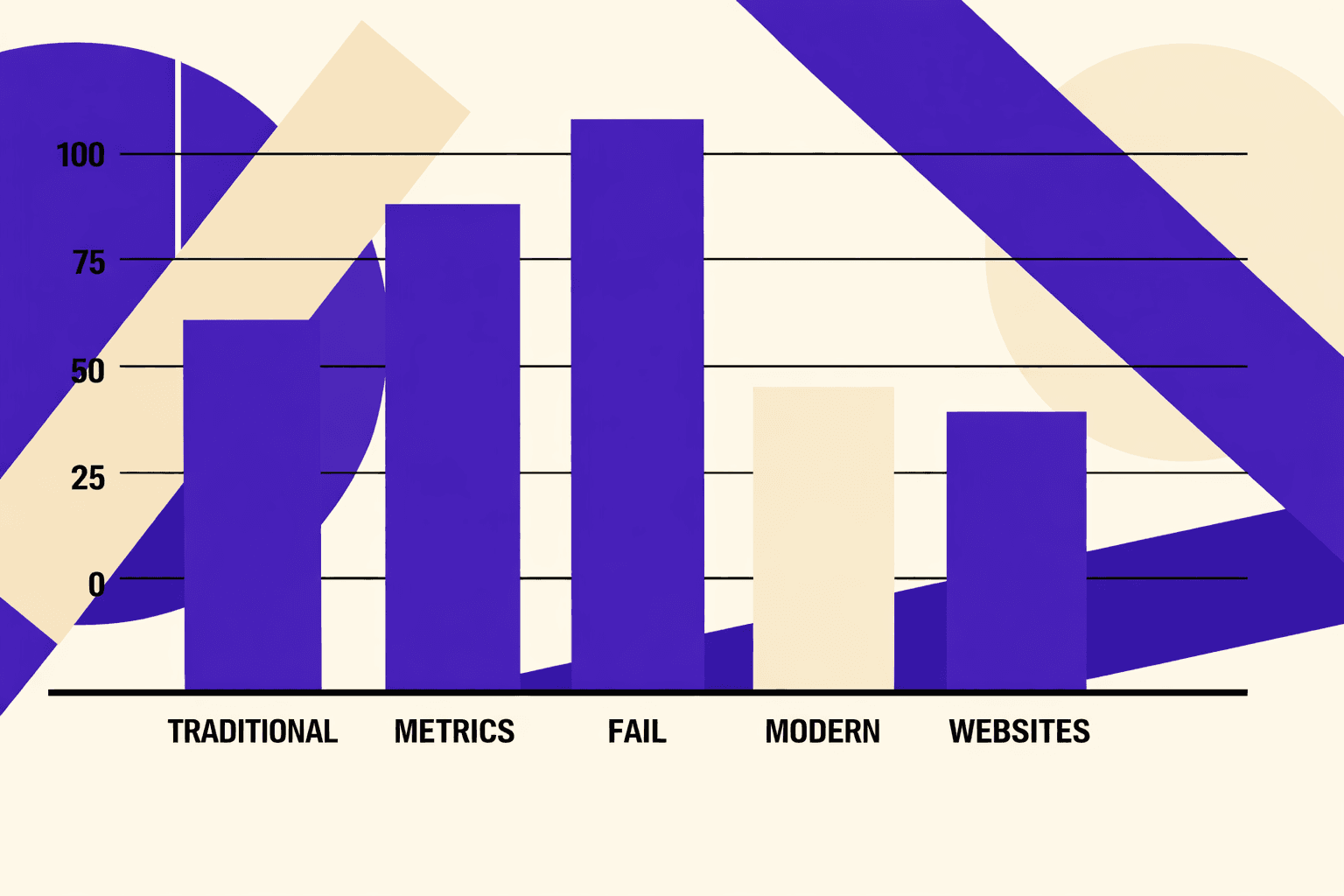
Most companies are still measuring SEO performance with the wrong metrics. Core web vitals now define what truly drives search rankings and user loyalty. According to Josh Gallant, 60% of brands miss the mark by chasing vanity numbers and ignoring site experience. We built MygomSEO to cut through this noise. We focus on core web vitals and technical metrics that actually move the needle. Our work across dozens of client sites proves that prioritizing user experience brings results traditional SEO metrics can't match. In this article, we'll show exactly why core web vitals should be your primary focus - and how our hands-on data challenges the industry's outdated assumptions. If you're still stuck optimizing for legacy metrics, you're already behind.
Why Traditional SEO Metrics Fail Modern Websites
Legacy Metrics Versus User Experience
Most companies are still obsessed with legacy SEO metrics. They chase keyword rankings and backlinks, thinking these numbers alone will unlock growth. But that’s not how modern search works. Over the past year, we’ve audited dozens of sites with impressive backlink profiles and high "domain authority." Yet, they lagged behind competitors with far fewer links. The reason? Their user experience was poor, and Google now cares more about real people than legacy signals.
I remember one audit where the team had just finished a 200-page seo audit checklist. Every technical box was checked. Rankings barely budged. Their mistake was simple: they ignored core web vitals. Visitors bounced after two seconds. The page looked great in a spreadsheet, but it felt slow and clunky in a real browser. Google noticed. So did users. That disconnect is fatal.
The Problem with Outdated SEO Focus
The most important SEO metrics today map directly to real user experience - how your site actually feels to visitors. Core web vitals measure speed, interactivity, and visual stability. These aren't just technicalities - they shape how users feel on your site. According to news.designrush.com, one retail portal increased its crawl depth from 50 million to 250 million pages. But their traffic didn't budge until they fixed their site speed and layout shifts.
Why are core web vitals more important than old SEO signals? Because Google’s entire ranking system has shifted. Rankings and backlinks get you in the game. But if your site feels slow, you lose before you start. We’ve seen it firsthand: strong link profiles crushed by poor loading times and janky layouts. There’s a reason Google now surfaces Core Web Vitals in Search Console. It's not just a suggestion - it’s a hard requirement for visibility.
For a visual walkthrough of this process, check out this tutorial from Ahrefs:
Some will argue that backlinks and keywords are still king. They’re missing the point. Core web vitals are now the backbone of any effective seo audit tool free or paid. If your site fails these tests, no amount of links will save you. The future belongs to those who prioritize user experience - not just rankings. If you want a deeper breakdown of what actually matters, see our The 10-Point Technical SEO Checklist Every Agency Should Use Before Client Delivery.
So the real question is: Are you measuring what matters, or just what’s easy to count?
Our Unique Approach to Core Web Vitals Optimization
Audit Checklist for Core Web Vitals
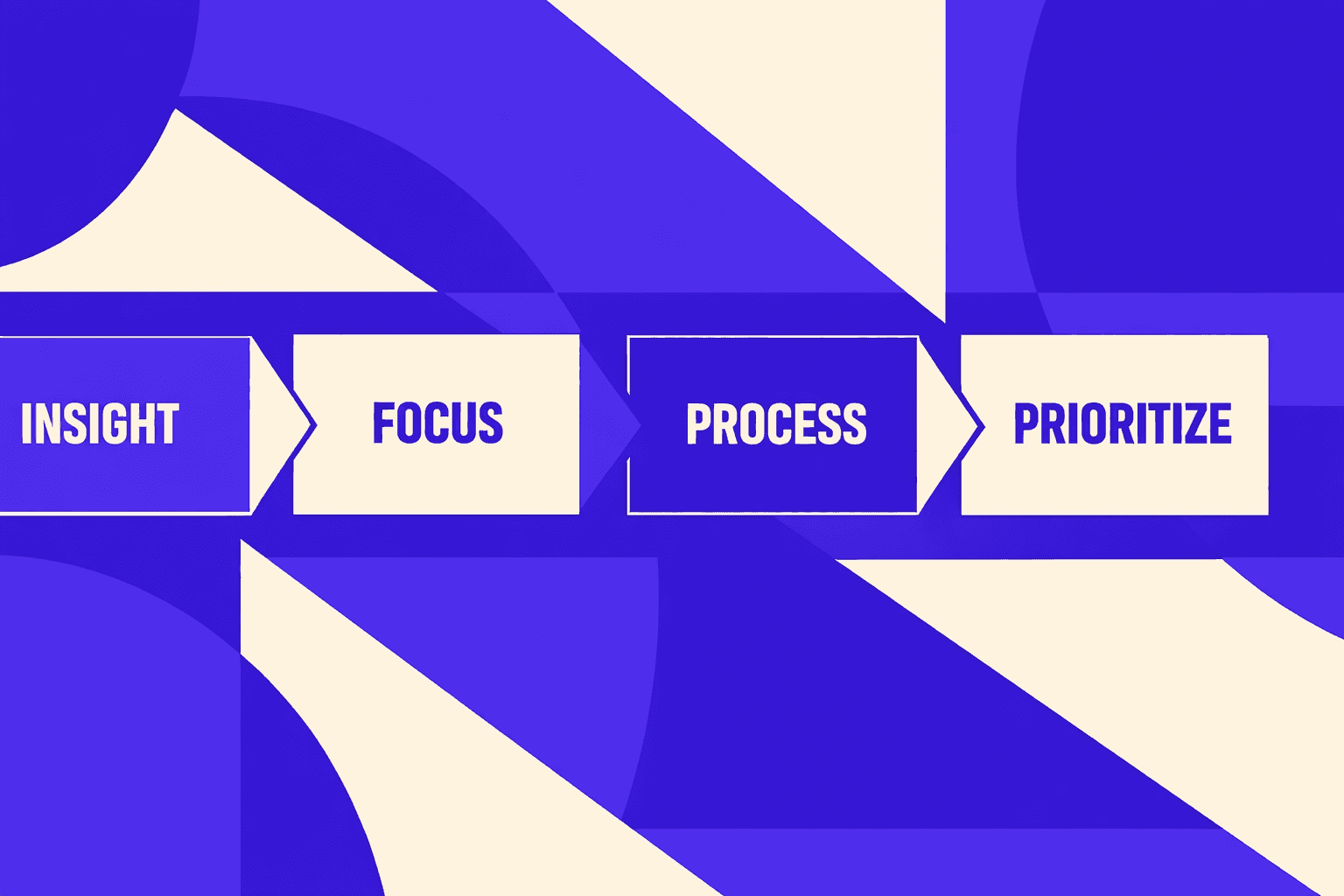
We don’t trust generic lists or one-size-fits-all templates. Our seo audit checklist evolved from hands-on work with actual sites, not theory. Every audit starts with a single question: “What would a user notice first?” That led us to build a checklist that tracks the real pain points - things like layout shifts, slow visual loads, and input delays. For example, one Monday morning, we opened a site in Chrome and watched the hero image bounce twice before loading. No spreadsheet could replicate that frustration.
We use our checklist to spot what’s hurting the user experience most. We don’t chase every warning. Instead, we rank fixes by business impact, not just Google’s order. This means a layout shift in the checkout flow gets tackled before optimizing a tiny image below the fold. According to Common SEO Audit Mistakes, 8x more audits fail because teams focus on irrelevant details. We built our process to avoid that trap.
Choosing the Right SEO Audit Tool Free
Every project starts with a baseline. We launch a seo audit tool free to get instant scores and spot red flags. Tools like Google Lighthouse or PageSpeed Insights set the stage, but we don’t stop there. We cross-check results against real user journeys. One time, Lighthouse gave us a passing score, but our own clickpath revealed a two-second lag on mobile. That’s why our audit combines both automated and manual reviews.
Picking the right tool is about speed and depth. Free tools work for a first pass, but we don’t let them dictate our roadmap. Audit data is just the start. We filter these findings with our own checklist and lived experience. This blend leads to real improvements, not just better scores. Research from Local SEO Metrics That Actually Matter in 2025 shows 20% of local search issues hide below the automated surface. Our method makes sure nothing mission-critical gets missed.
If you want a deeper dive into our process, check out Real-World SEO Audit: What We Learned from 100 SMB Websites. It reveals what truly sets an effective audit apart for core web vitals optimization.
Real Results From Our Core Web Vitals Implementation

Before and After: Client Performance
We’ve seen firsthand what happens when a business stops guessing and starts fixing core web vitals. One client, a SaaS provider, came to us after months of flat organic growth. They had tried every “seo audit tool free” and checked off every item on the typical seo audit checklist. Nothing moved the needle.
We got granular. We measured Largest Contentful Paint down to the millisecond and tracked every shift in layout. The first time we pushed a fix live, the result was immediate: conversion rates ticked up, bounce rates dropped, and for the first time in a year, their rankings climbed. The difference? We targeted the metrics Google actually cares about. According to HubSpot, many companies waste $279 a year on tools that don’t provide meaningful insight. Our approach didn’t just save money - it delivered results that showed up on the bottom line.
For a visual walkthrough of how these metrics affect real-world sites, the team at Sematext demonstrates this concept clearly:
Another example: an ecommerce brand stuck on page two for high-intent keywords. After we tackled their cumulative layout shift issues, organic sessions grew steadily. They didn’t just see more traffic - they saw more completed checkouts. That’s the difference between chasing vanity metrics and focusing on what matters. Our work proves it’s not about how many boxes you tick, it’s about targeting the most important seo metrics for business growth.
Solving the Hardest Web Vitals Issues
Optimizing core web vitals isn’t a clean, linear process. It’s messy. There are days we’re deep in the weeds, troubleshooting a layout shift that only happens on iPhone 13 in landscape mode. I remember one late night, our team was glued to Chrome DevTools, hunting for a single rogue image causing layout thrash. We finally found it - a promotional banner injected by a third-party script. Removing it stabilized the page, and the client’s bounce rate dropped overnight.
But it’s not just about fixing obvious issues. Sometimes, the hardest problems hide in plain sight. We’ve seen sites lose revenue because third-party chat widgets delayed Time to Interactive by crucial seconds. Once we deferred those scripts, load times improved and exit rates fell. That’s what separates a surface-level audit from real technical SEO. Anyone can run a “seo audit tool free” and generate a report. Few can diagnose and solve the edge cases that actually move numbers.
It’s tempting to believe that tackling core web vitals is a one-and-done checklist. The reality is, these optimizations demand continuous vigilance. We monitor changes daily, because one new plugin or ad script can undo months of progress. As GMB Mantra found, companies that ignore ongoing monitoring can end up spending $800 a month on campaigns that never convert.
So what results can you expect from optimizing core web vitals? Tangible growth in rankings, conversions, and revenue - if you commit to solving the real problems, not just chasing the latest audit fad. The impact is real, and the businesses that embrace this mindset will outperform those still stuck in the past.
For more lessons from the trenches, see our insights in Real-World SEO Audit: What We Learned from 100 SMB Websites.
Core Web Vitals: The Non-Negotiable Standard for SEO Leaders
What’s clear now: Google’s continued investment in web vitals is no passing trend. User experience metrics are fast becoming the foundation of every effective SEO strategy. This isn’t about chasing another ranking factor. It’s about building teams and processes that treat performance, stability, and usability as the baseline for digital success.
Content and links still matter - but user-centric ranking signals now determine who wins. The data is unambiguous: the winners in the next era of search won't be those who optimize for yesterday's metrics. They'll be the ones who embed a web vitals mindset into every stage of development and content creation - making speed, clarity, and reliability as routine as code review.
The window to lead this shift is closing. By 2026, user experience signals will be table stakes. Teams still clinging to vanity metrics will be left behind as search evolves. Now is the moment for technical and SEO leaders to reset their priorities, upskill their teams, and treat core web vitals as a non-negotiable standard.
Ready to see what a web vitals-first approach can do for your business? Learn More and let’s discuss where you want to go next.