SEO Link Monitoring vs Backlink Tracking: What's the Difference and Which Do You Need

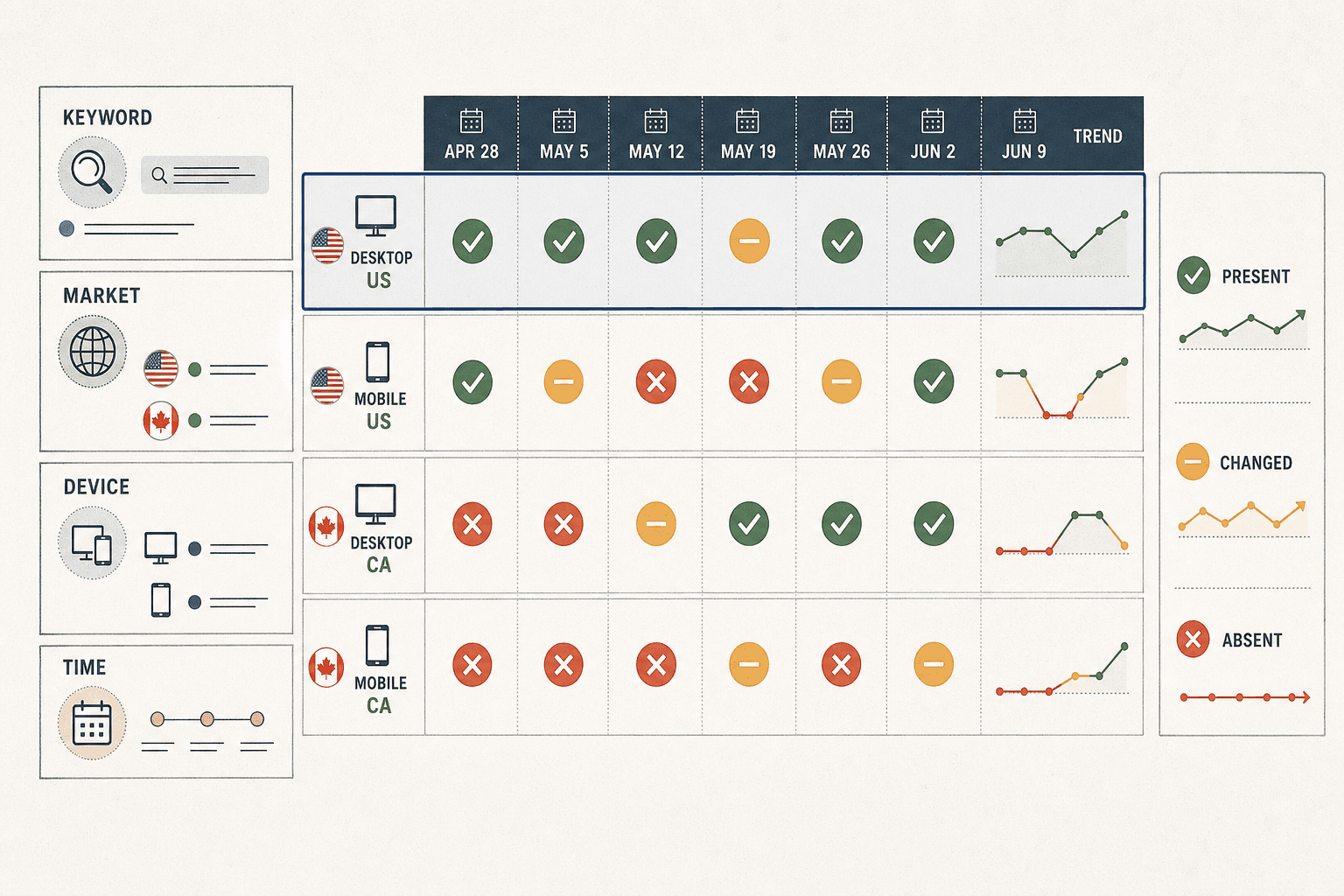
SEO link monitoring answers a simple question: which backlinks were gained, lost, or changed before rankings take a hit? It helps growth teams catch lost links, spot fresh mentions, and protect traffic before small issues become bigger ones. Manual checks work for a while. Then the backlink profile grows, alerts get missed, and momentum slips. According to What are backlinks in SEO and how to get them? | Plausible Analytics, organic growth through content and backlinks can drive significant increases in trial signups. The guide also notes that link building remains a core strategy for sustainable traffic growth. This comparison looks at Ahrefs and Semrush with clear criteria, practical workflows, and zero hype.
SEO Link Monitoring Evaluation Criteria
What This Comparison Measures
This seo link monitoring comparison uses six clear criteria. They are backlink discovery speed, lost link alerts, reporting clarity, backlink analysis depth, workflow ease, and price value. That lens keeps the review fair across both platforms. It also keeps the focus on what teams use each week, not what looks impressive in a sales demo.
Backlinks still matter because they help search engines read trust and authority signals across the web, as Plausible explains in its guide on backlinks in SEO. For example, when a SaaS startup secures a featured mention in TechCrunch, the growth team needs to verify within 24-48 hours whether the backlink was indexed and how it affects their domain authority - before they report results to leadership. Speed matters more than another buried dashboard.
Why These Criteria Matter for Small Teams
Small teams usually need fast decisions, clean alerts, and fewer clicks. Most do not need a maze of reports. They need monitoring tools that show what changed, why it matters, and what to do next. That is why day to day usability matters more than raw feature count.
How often should backlinks be monitored? For active campaigns, weekly checks make sense. Daily alerts matter for high value pages or fragile partner links. As search evolves - with AI Overviews now appearing in nearly 19% of U.S. search results - faster link monitoring helps teams adapt quickly to ranking changes, according to SeoProfy.
Scoring Without the Fluff
The scoring model uses the same categories for both tools. No bonus points go to the platform with more tabs, filters, or charts. Instead, higher scores go to clearer action paths after an alert. That is the key content gap opportunity here.
For example, one tool may flag a lost backlink, while the other also suggests the linking page, anchor text issue, and next outreach step. That second path is more useful. Research from Page One Power shows 61% of marketers plan to invest in link building in 2025, which reinforces why practical follow-up matters more than noise.
Ahrefs for SEO Link Monitoring
Overview
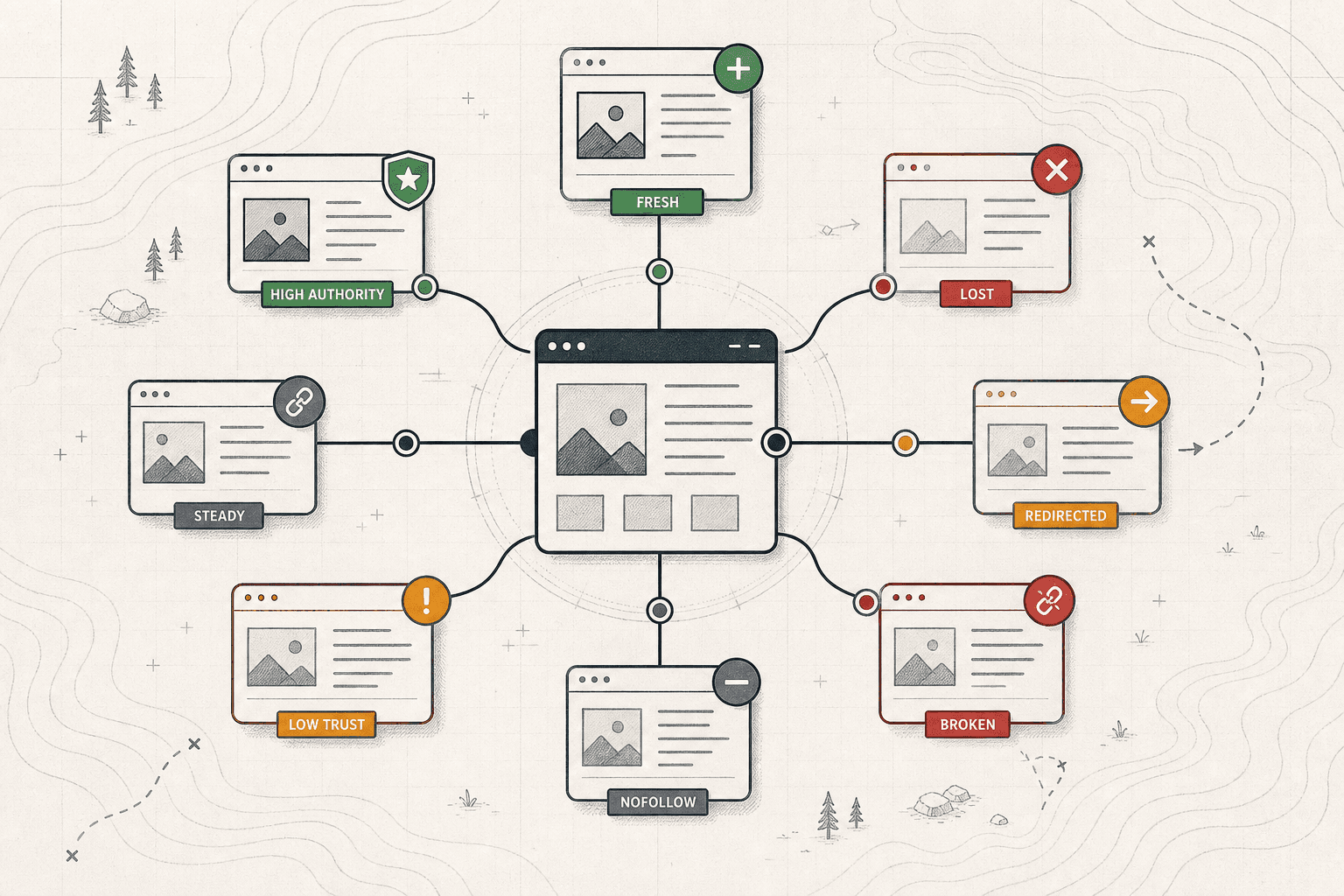
Ahrefs is a familiar name in seo tools. It is often picked for one reason first: backlink data. The platform centers its value on link intelligence, then wraps that data in a clean interface that feels easier to scan than many crowded dashboards. That matters for teams that want signal fast, not a maze of menus.
For example, a lean growth team may need to spot a lost link, check the source page, and judge impact in minutes. Ahrefs supports that workflow well because the path from alert to review is direct. Its focus makes it a strong fit for seo link monitoring when backlink visibility is the main job, not one task inside a wider marketing suite. SeoProfy Plausible Analytics
Key Features
Ahrefs covers the core jobs most teams expect from backlink monitoring tools. It offers backlink alerts, reports for new and lost links, referring domain tracking, anchor text visibility, and historical views of a backlink profile. It also helps teams analyze your competitors by showing where rival sites earn links and which pages attract them. SeoProfy LLMrefs
That mix is useful in real work. For example, if an e-commerce brand migrates to a new platform and suddenly loses 40 backlinks to its best-selling product page, the team can use Ahrefs to trace which referring domains dropped the links, identify whether 301 redirects failed, review anchor text patterns that changed, and compare the page's current link profile against top competitors to prioritize recovery outreach. The same view can uncover gaps, such as industry directories or media sites linking to rivals but not to the brand.
Strengths
Ahrefs has a strong reputation for its backlink index and filtering depth. Research from Page One Power shows 61% of marketers plan to invest in link building in 2025, which reinforces why practical follow-up matters more than noise. Its filters help teams sort by link type, platform, language, or authority signals, then move toward action faster. Plesk notes that Ahrefs' filtering capabilities stand out in the SEO monitoring landscape.
Navigation is another plus. Non specialists can usually move through reports without heavy training. That simpler layout also makes it faster to analyze your competitors and decide which referring domains deserve outreach first.
Weaknesses
The main trade-off is cost - pricing can climb quickly for smaller teams, especially as usage scales or additional seats are needed. Some users also want deeper built-in collaboration layers, since broader workflow management is lighter than in platforms built around full marketing operations. SeoProfy
Best For
Ahrefs is good for backlink tracking. It fits teams that want a focused platform, care most about backlink visibility, and need a simpler route from alert to action. Where broader suites stretch across many channels, Ahrefs stays close to the core job: understanding links, protecting rankings, and finding the next priority.
Semrush for SEO Link Monitoring
Overview
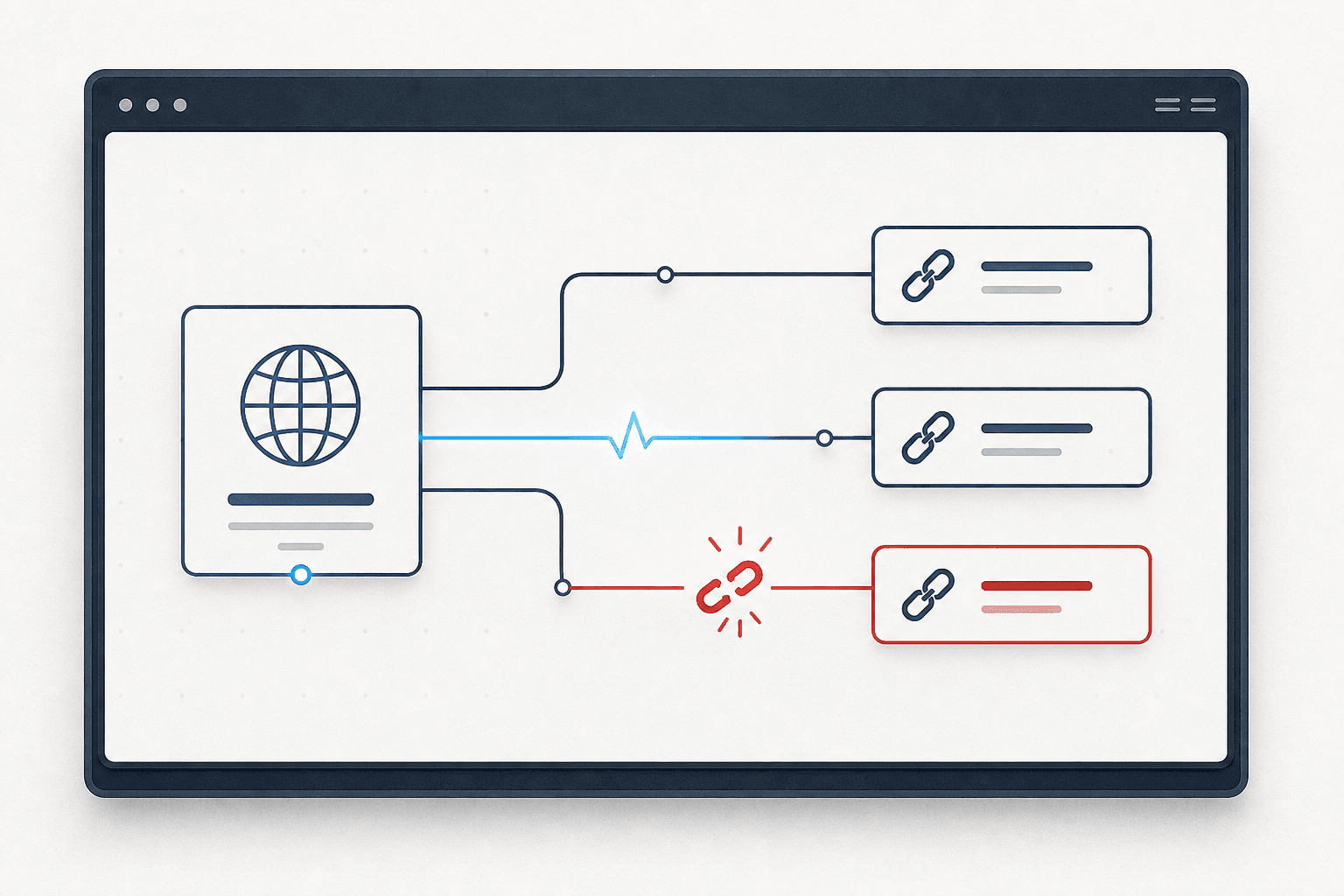
Semrush handles seo link monitoring as part of a larger marketing platform. That matters for teams managing search, content, and competitor research in one workspace. Instead of treating backlinks as a separate task, Semrush connects link data to site audits, keyword work, and campaign reporting. For example, a growth team can review lost links in the morning, then check whether ranking pages or content gaps need attention that same day. SeoProfy and Plesk both place Semrush among broad monitoring platforms rather than backlink-only tools.
Key Features
Semrush includes the core functions expected from serious backlink monitoring tools. Its Backlink Audit helps teams review referring domains, spot risky patterns, and flag links for follow-up. The platform also tracks new and lost links, which helps analyze your link profile without exporting data into another system. LLMrefs describes backlink monitoring software as most useful when alerts and link history stay easy to review over time.
Project-based alerts add workflow structure. Teams can set up campaigns, watch changes, and route action items into outreach or reporting tasks. Semrush also supports toxic link review and outreach support, which helps when a team wants one place to assess risk and contact site owners. According to 11 Best SEO Link Building Tools Tested in Real Campaigns (2026), all-in-one SEO platforms often stand out when reporting and outreach need to sit close together.
Strengths
Semrush’s biggest strength is breadth. It gives mixed-channel teams one dashboard for links, rankings, content, and competitors. That setup can save time when leaders need one report across several campaigns. For example, an in-house marketer can analyze your link health, compare organic visibility, and send a client-ready summary without switching tools. Plausible Analytics notes that backlinks matter because they support authority and discovery, so seeing link health beside wider SEO signals has practical value.
The platform also supports project workflows well. Alerts, audits, and reporting feel built for teams, not just solo specialists. Research from 11 Best SEO Link Building Tools Tested in Real Campaigns (2026) shows some integrated SEO tool stacks can cut annual costs by about 10% when billed yearly, which may matter for teams already committed to a broader suite.
Weaknesses
Semrush can feel heavier than focused backlink tools. New users often face more menus, more setup choices, and more reports than they need on day one. Pure backlink tasks may also take extra clicks because the platform organizes links inside a larger suite. That trade-off is reasonable for broad teams, but less ideal for specialists who only want fast link checks.
Best For
Is Semrush good for backlink monitoring tools? Yes, especially for marketers who want link tracking inside an all-in-one stack. It fits teams that benefit from SEO, content, and competitive research in one place. Where a focused backlink product favors speed, Semrush favors context. That makes it a practical choice for companies that want to analyze your link performance alongside bigger search goals.
SEO Link Monitoring Comparison and Best Fit
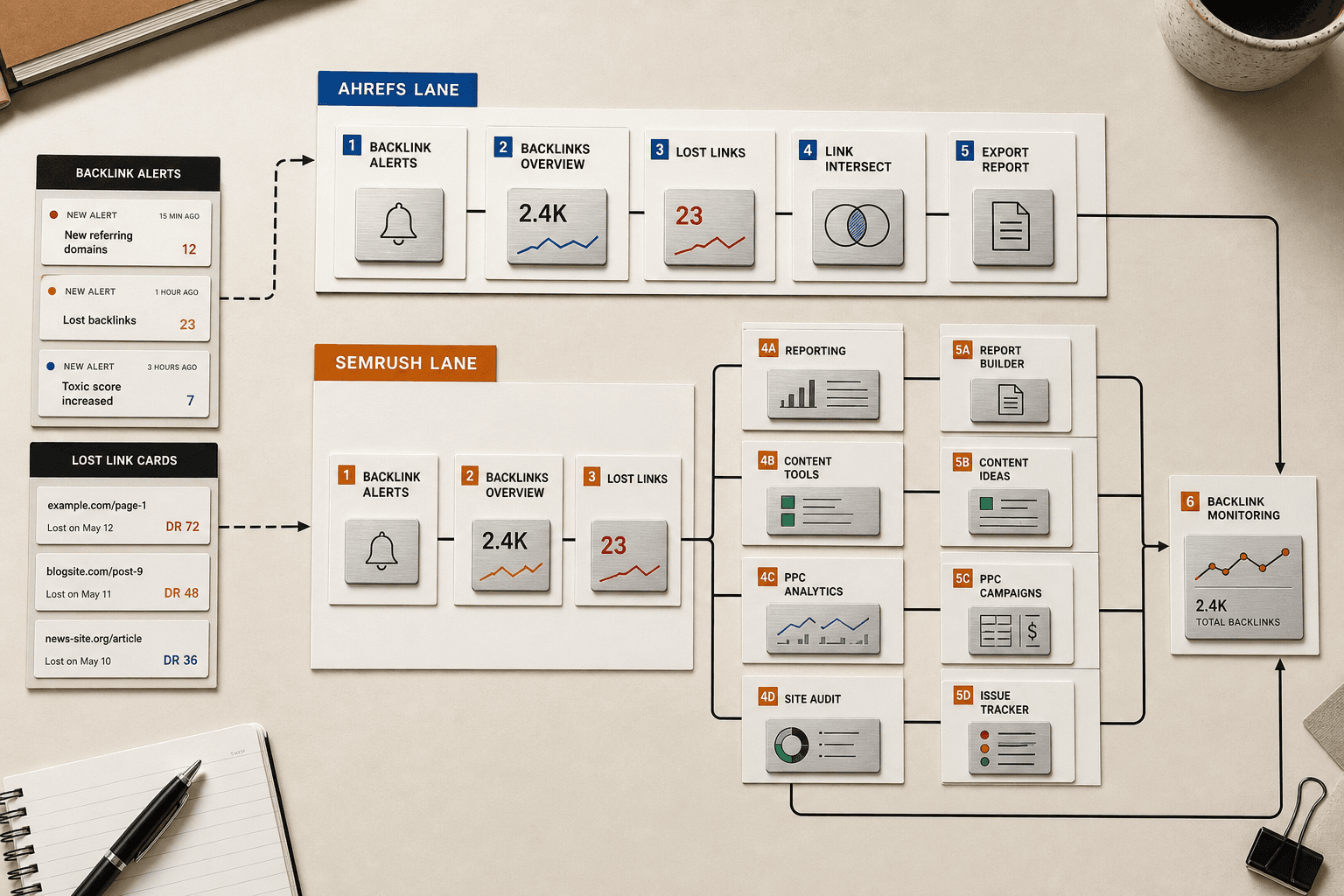
- Pricing approach — Ahrefs: Higher cost for a focused SEO set · Semrush: Broader suite value if several teams use it
- Backlink alerts — Ahrefs: Clear and fast for core link changes · Semrush: Strong project-based alerts across campaigns
- Lost link tracking — Ahrefs: Simple to review and prioritize · Semrush: Useful, but often tied to wider project flows
- Reporting — Ahrefs: Clean and direct for SEO use · Semrush: Broader and more flexible for mixed-channel reporting
- Learning curve — Ahrefs: Easier to pick up · Semrush: Steeper at first
- Ecosystem breadth — Ahrefs: SEO-first toolset · Semrush: Wider marketing stack
The main trade-off is focus versus range. Ahrefs keeps the path from alert to review tighter. That matters for lean SEO teams that need backlink tracking without extra noise. Semrush takes a wider approach. That helps teams that want link monitoring tools connected to content, paid research, site audits, and broader campaign planning.
Pain points matter here. Ahrefs users may hit a ceiling when the team wants deeper cross channel workflows. If reporting must connect SEO with content, PPC, and outreach in one place, the platform can feel narrow. Semrush users face the opposite problem. The suite can feel crowded, and simple tasks may take extra clicks before the team reaches the actual backlink analysis it needs.
That is why the best fit depends on operating style, not brand preference. A focused SEO team often leans Ahrefs because the workflow stays cleaner. The tool gets to the point fast. It supports backlink monitoring tools and backlink profile review without forcing users through a larger system. For a specialist team, that speed can matter more than having more tabs.
A broader growth team may lean Semrush. The platform makes more sense when SEO sits inside a larger marketing machine. In that setup, teams can analyze your link health while also managing keyword research, content planning, and competitor tracking. The value grows when several functions share one workspace, one reporting layer, and one process.
Budget should stay central in the decision. A cheaper plan is not cheaper if it creates manual work. A bigger suite is not better if half the features stay untouched. Teams should compare total workflow cost, not just subscription cost. That includes training time, reporting friction, and how easily the tool fits current habits.
The practical takeaway is simple.
- Choose Ahrefs when the goal is tighter backlink tracking, faster review, and a more focused SEO workflow.
- Choose Semrush when the team needs tools for broader marketing execution, shared reporting, and more connected campaign work.
- Recheck the decision against budget, internal process, and how often the team needs backlink analysis beyond pure SEO.
The best seo link monitoring platform is the one that removes friction, not the one with the longest feature page.
For teams that want a simpler way to export and share link monitoring data, try Ahrefs' free webmaster tools to get started with basic link tracking and site audits.