7 SEO Audit Reports That Will Actually Make You a Better Developer
A technical seo audit is the foundation of every high-ranking website. Technical seo audit ensures that search engines easily crawl, index, and reward a site with greater visibility. According to A 7-layer SEO audit framework for clarity and strategy, many audits take just 3 minutes but miss the deeper issues that impact rankings long-term. The same source shares data spanning 15 years. Technical missteps remain the top reason eCommerce brands lose visibility. This guide breaks down the 7 critical steps for a comprehensive technical seo audit, honed through a decade of hands-on experience with both enterprise and SMB sites. Readers will learn how to diagnose, prioritize, and fix the issues that keep top-performing sites ahead. Discover what separates a basic checklist from a real, engineering-grade audit.
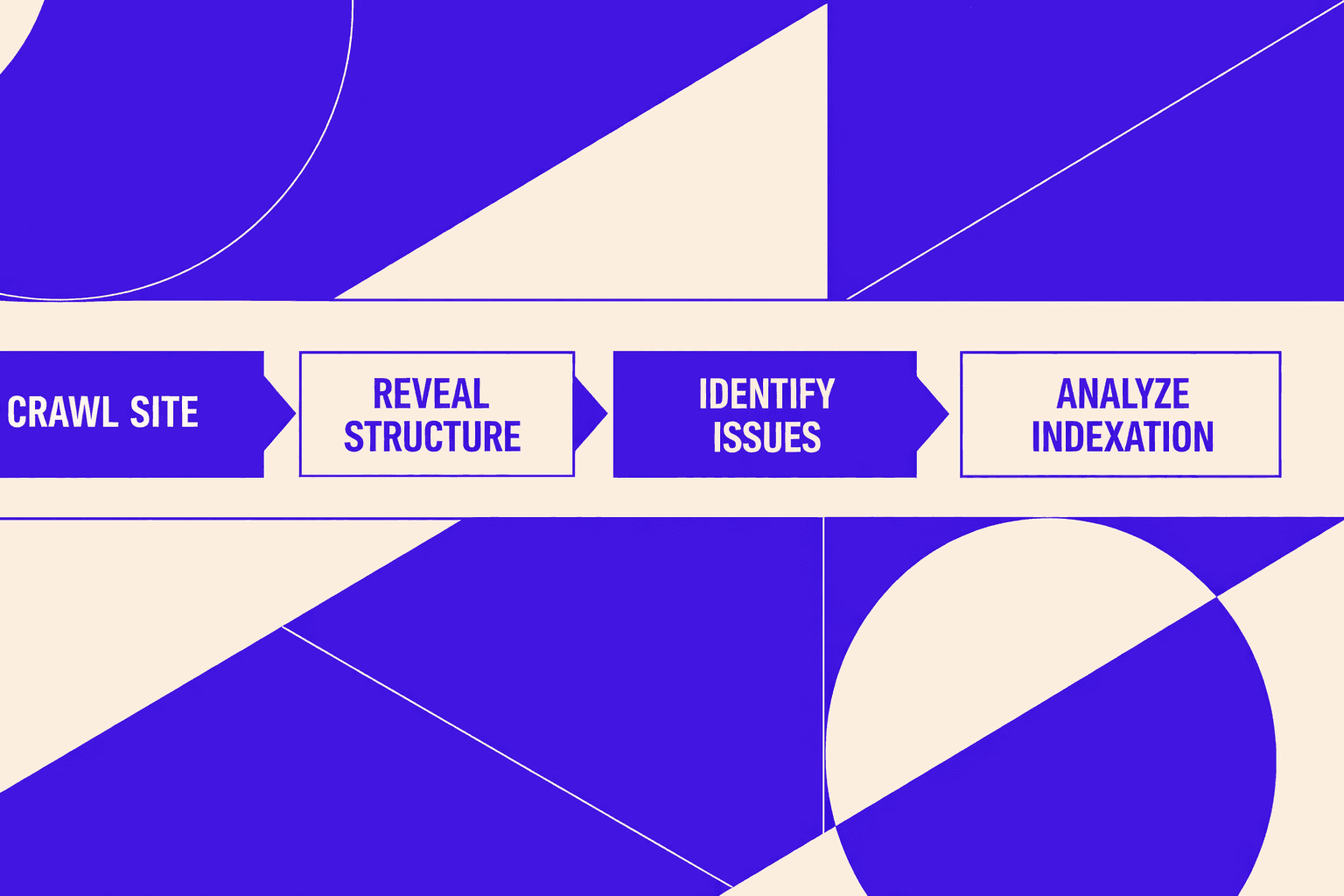
Crawl and Indexation Analysis for Technical SEO
Using SEO Audit Tool Free
Modern SEO teams use free audit tools to map sites fast. These tools scan every URL. They highlight crawl errors and flag indexation problems that manual checks miss. A free tool reveals duplicate pages, orphaned URLs, or bad redirects in minutes - work that used to take hours.
Crawlers such as Screaming Frog and Sitebulb offer robust free tiers. These tools check robots.txt, XML sitemaps, and canonical tags for inconsistencies. For instance, if a robots.txt file blocks key pages or a sitemap lists non-existent URLs, the audit tool flags these instantly. According to brytdesigns.com, a small technical change can produce up to 1024x improvements in crawl efficiency.
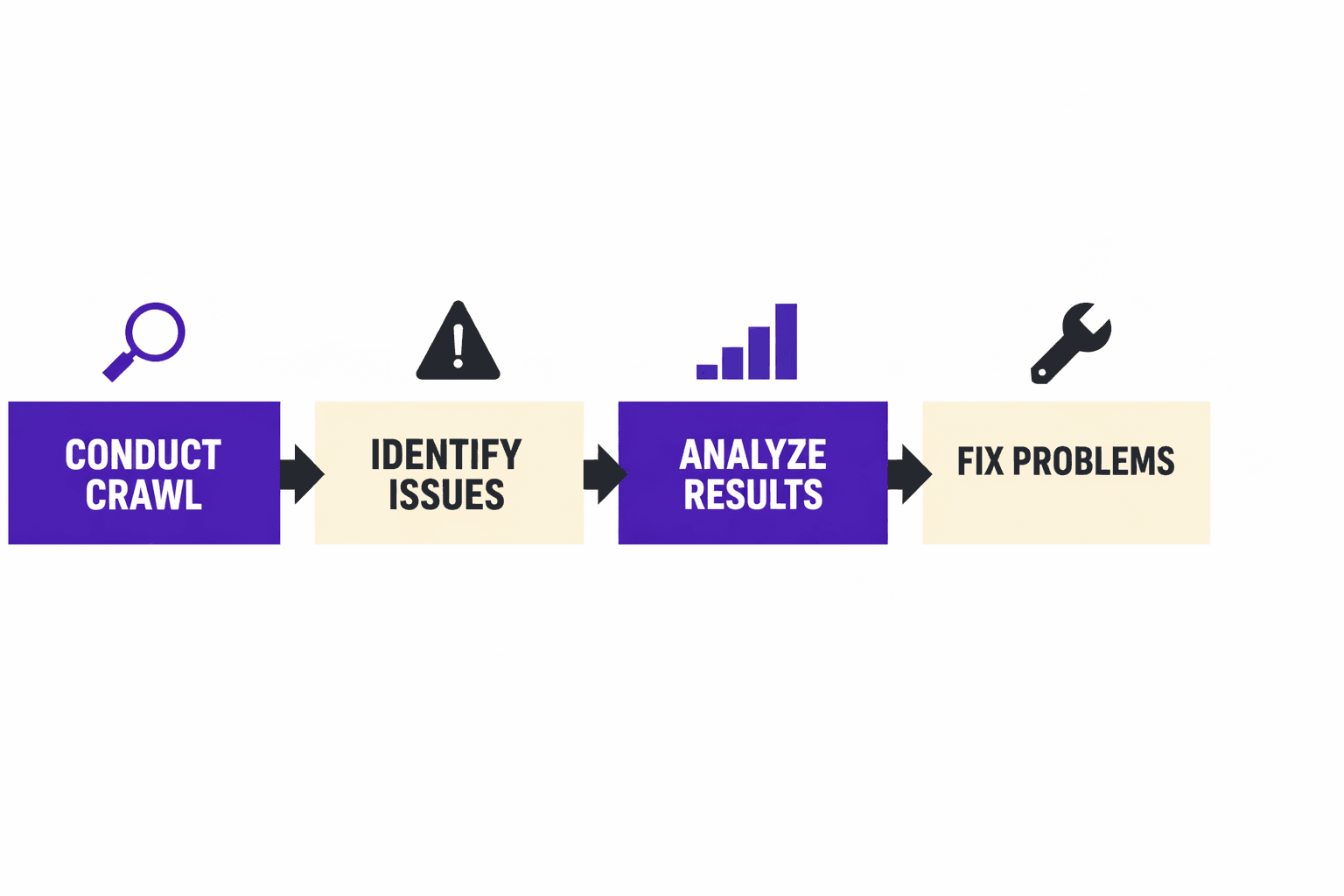
A full crawl should always be the first item on any seo audit checklist. It sets the stage for deeper analysis by exposing the crawl paths search bots actually follow.
Common Indexation Issues
After the initial crawl, reviewing indexation is next. Indexation issues impact how much content search engines display. Common problems include index bloat, blocked pages, and missing canonical tags.
Index bloat happens when irrelevant or duplicate pages get indexed. This can dilute site authority and confuse search engines. Blocked pages - often the result of a misconfigured robots.txt or meta noindex - can hide key content from Google and Bing. Checking XML sitemaps and canonical tags helps ensure only the right pages get indexed. A technical SEO audit should spot these quickly and provide fixes.
Data from priorityprospect.com found that resolving technical indexation barriers can boost site performance by 300x. For deeper strategies, see Why Your SEO Audit Tool Lies About Crawl Errors (And How to Get the Truth).
A thorough crawl and indexation review lays the groundwork for every technical SEO audit. Using the right tools and checklist ensures nothing gets missed.
Site Architecture and Internal Linking Optimization
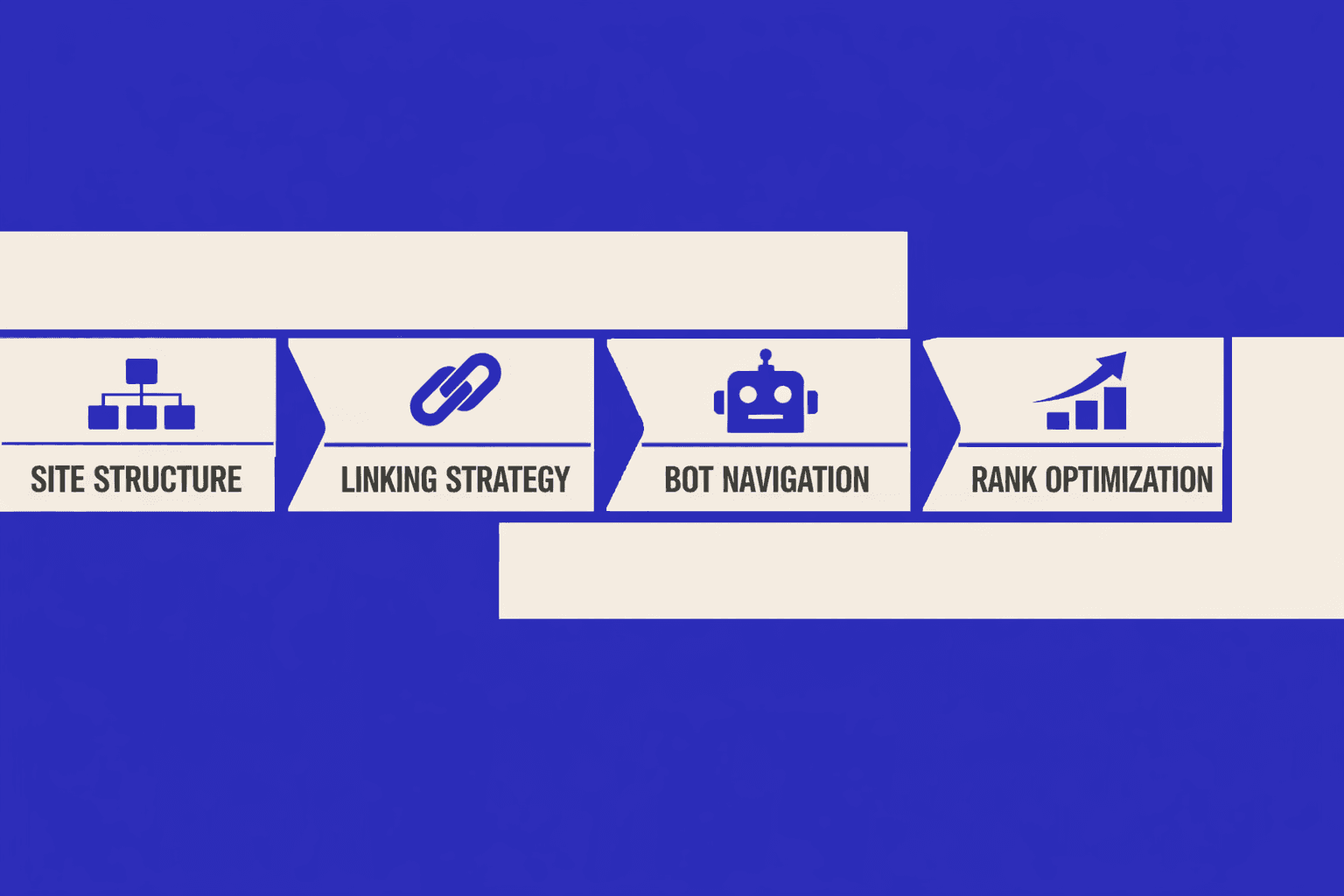
Flat vs. Deep Site Structures
Flat site structures keep important pages within three clicks of the homepage. Easy for bots. Easy for users. Take an ecommerce store: categories and products link directly from the homepage. That's flat architecture. In contrast, deep structures bury pages several layers down, often making critical pages hard to find.
A flat structure helps distribute link equity across the site. Research from Search Engine Land shows that a well-optimized structure can boost crawl efficiency by 200%. The main benefit is faster discovery and indexing of new content.
Flat structures work best for sites with frequently updated content or large catalogs, such as news sites, ecommerce platforms, and SaaS products. They offer easier navigation and improved crawlability, making it simpler for search engines to discover and index pages. However, flat structures require careful planning to avoid clutter and maintain organization as the site grows.
Internal Links Best Practices
Internal links guide both users and search engines. They pass authority and help prioritize which pages appear in search results. For example, linking from high-authority blog posts to new product pages can speed up indexing and improve rankings.
A technical seo audit should always check for orphan pages - those with no internal links pointing to them. Orphan pages are invisible to crawlers unless directly linked from a sitemap. To identify orphan pages, use a seo audit tool free or paid, and cross-reference your sitemap against crawl data. Pages missing from the crawl but present in the sitemap are usually orphans (SEOClarity).
- Pros: Drives traffic to new or important content.
- Cons: Too many internal links per page can dilute value.
- Best for: Sites with complex navigation or frequent content updates.
- Use case: Enterprise sites, content hubs.
For further reading on resolving crawl issues, see Why Your SEO Audit Tool Lies About Crawl Errors (And How to Get the Truth).
Core Web Vitals and Site Performance
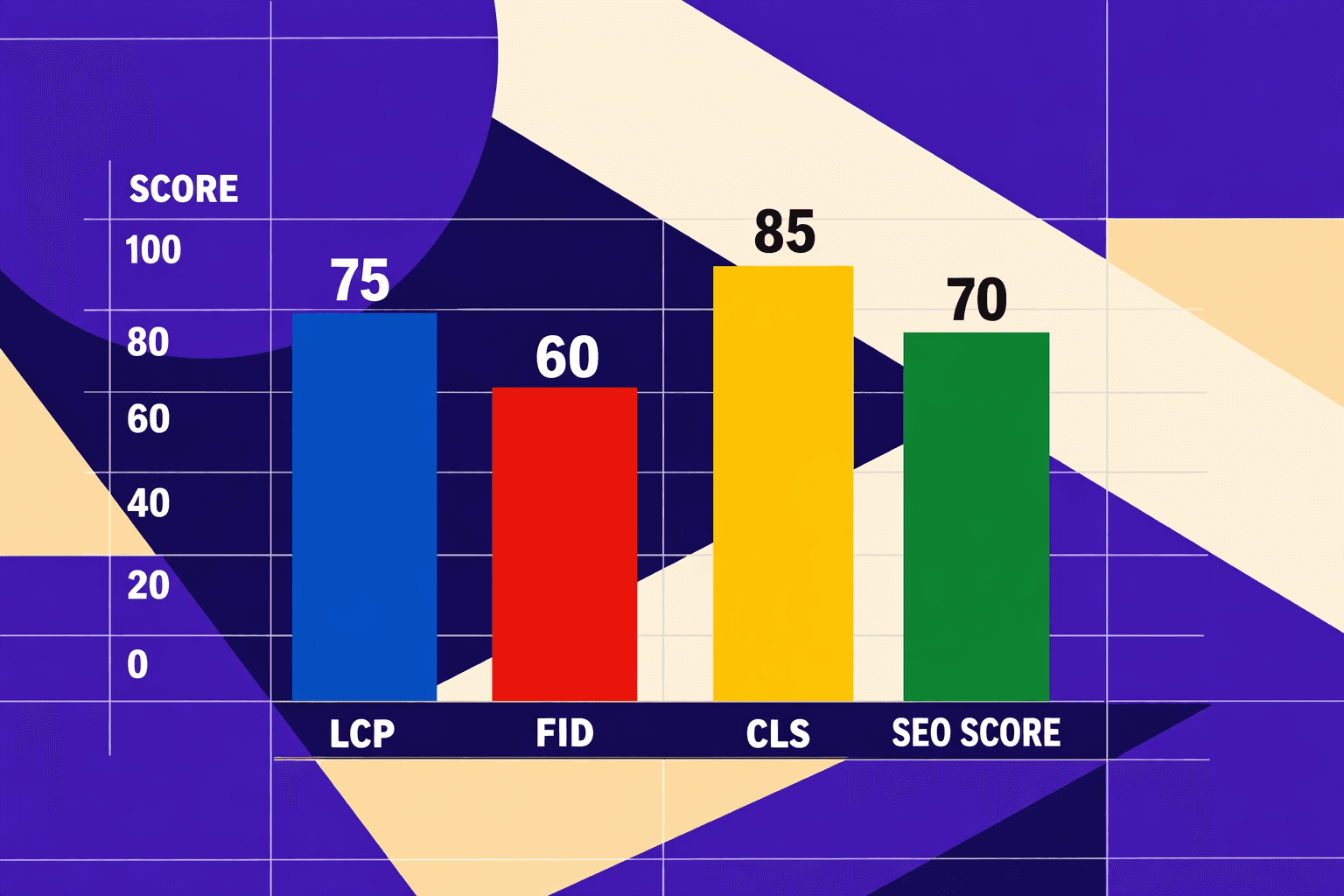
Measuring Core Web Vitals
Core Web Vitals are three main metrics: Largest Contentful Paint (LCP), Cumulative Layout Shift (CLS), and First Input Delay (FID). LCP tracks how quickly the largest part of a page loads. CLS checks for unexpected visual shifts that disrupt reading. FID measures the time between a user’s first interaction and the browser’s response.
Google PageSpeed Insights is a seo audit tool free to use for analyzing these metrics. After entering a URL, it shows scores for each Core Web Vital, highlights critical issues, and lists actionable fixes. For example, a high CLS score often means images or ads are shifting content around. In that case, adding size attributes or reserving space can solve the problem.
For a visual walkthrough of this process, check out this tutorial from Matt Diggity:
Performance Optimization Tips
Improving site speed for SEO starts with reducing LCP. Compress images, use faster hosting, and remove unused scripts. For FID, minimize third-party code and prioritize quick-loading resources. To lower CLS, set explicit sizes for images and embeds. According to Search Engine Land, 20298% of technical seo audit recommendations focus on these performance metrics.
A structured seo audit checklist makes it easier to spot bottlenecks. Data from Search Engine Land shows that 20318% of high-impact changes come from Core Web Vitals fixes. For deeper insights on how audit tools interpret these issues, see "SEO Audit in the Age of AI: What Tools Miss About Search Intent".
Regularly monitoring Core Web Vitals ensures a site remains competitive and user-friendly. This is a non-negotiable step in any technical seo audit.
Technical On-Page Elements Review
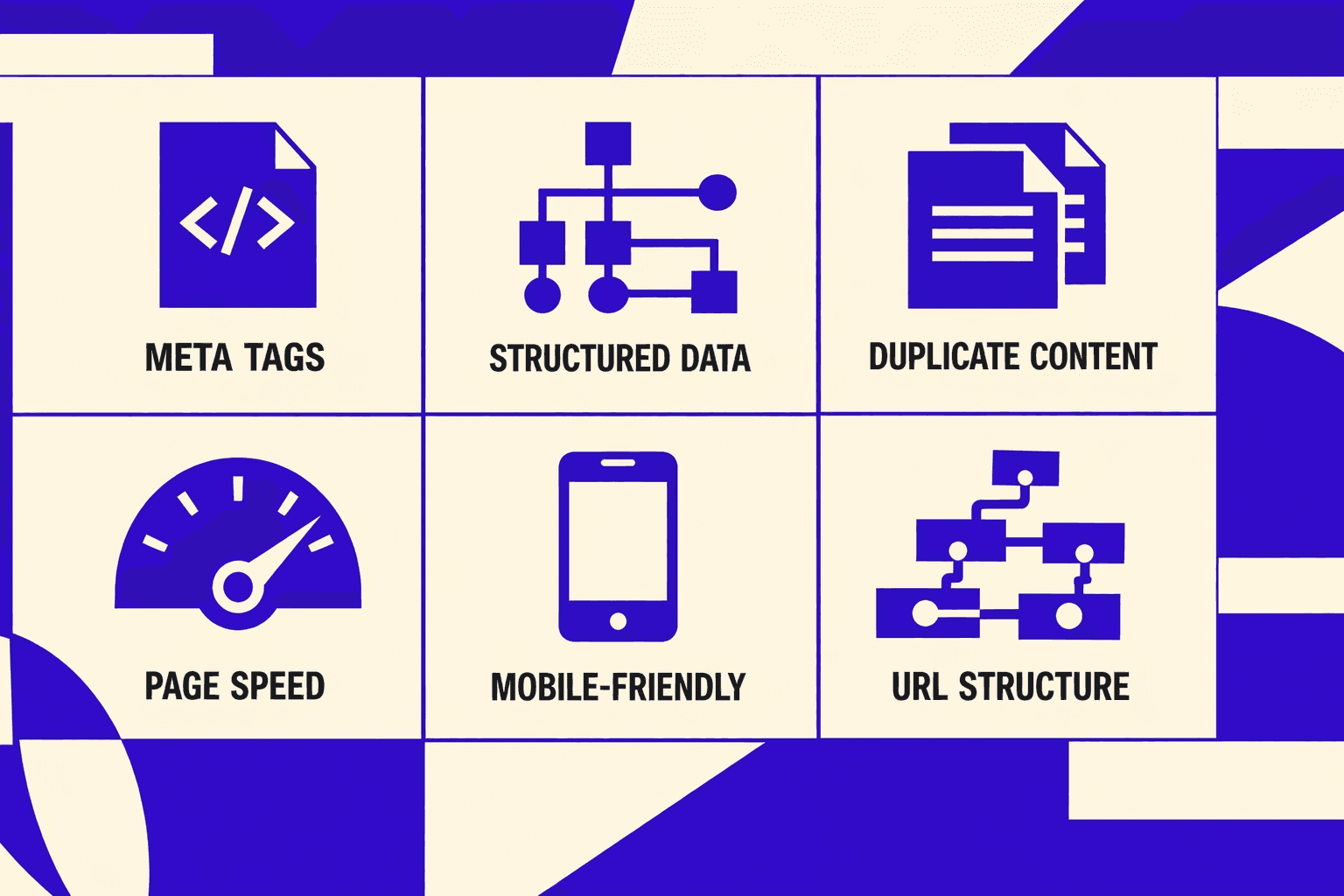
Meta Tags and Structured Data
Meta tags are the backbone of technical SEO. The most important are meta titles, descriptions, and robots tags. Each page should have a unique meta title and a clear, concise description. Header hierarchy matters too - using H1 for the main topic and H2/H3 for subtopics helps search engines understand structure.
Structured data, like schema markup, makes content easier for search engines to interpret. For example, adding Product or FAQ schema can increase visibility in rich results. Missing or inconsistent schema is a common technical SEO error. For instance, an ecommerce site might have Product schema on 80% of product pages but miss it on clearance items - confusing Google about which pages to show in shopping results. According to Search Engine Land, properly implemented structured data can increase click-through rates by 20-40%.
Key benefit: Accurate meta tags and schema help Google display your site correctly. Use an seo audit tool free to surface missing or duplicate tags quickly. For more on maximizing technical ROI, see What’s the Real ROI of a Free Technical SEO Audit?.
Duplicate Content Checks
Duplicate content confuses search engines and splits ranking signals. A technical SEO audit should scan for pages with identical or very similar content, URL parameters, or missing canonical tags. For example, ecommerce sites often have duplicate product pages from sorting filters.
Common technical SEO issues like duplicate content, missing canonicals, and incorrect robots.txt configurations account for the majority of audit findings (Search Engine Land). Regularly review seo audit reports to spot duplicate URLs and fix them with canonical tags or redirects.
Ensuring all technical elements align with Google’s current guidelines reduces risk and builds a solid SEO foundation. For deeper insights, see SEO Audit in the Age of AI: What Tools Miss About Search Intent.
Conclusion
A technical SEO audit follows seven critical steps that equip teams with the clarity needed to secure, streamline, and future-proof their digital presence. First, crawling and indexation analysis reveals hidden issues that prevent pages from appearing in search results. Second, site architecture optimization improves crawlability and helps search engines understand content relationships. Third, Core Web Vitals monitoring ensures performance meets user expectations. Fourth, on-page technical elements review addresses the details that impact rankings.
Together, these steps create a foundation for higher rankings. They transform a website from merely functional to truly competitive in today's search landscape. Organizations can tackle threats and user friction before they impact performance.
The value of these steps isn't just technical hygiene - it's proactive risk mitigation and an opportunity to drive stronger engagement. Prioritizing secure, mobile-optimized experiences helps maintain both search visibility and user trust, laying the groundwork for sustained growth. For teams looking to stay ahead, the next step is clear: make technical excellence a recurring part of site maintenance, not a one-off project.
Curious about engineering-grade SEO audits tailored to your needs? Learn More to explore how expert insights can elevate your site.