AI Marketing Agent: What It Actually Does (And What It Doesn't)
The term ai marketing agent now sells more hype than output. Teams keep buying tools that flag issues, draft ideas, and stop there. Research from GWI shows 22% of consumers already trust AI shopping advice. That makes the gap worse. Demand is rising, but most software still performs theater, not execution.
We built Mygomseo around the work that actually moves rankings: audit, publish, monitor, and track. Only 20% of companies have autonomous AI agents in production, according to Chief AI Officer.
I'm cutting through the noise in plain terms. I'll show what an ai marketing agent can execute, what still needs humans, and why execution drives SEO growth.
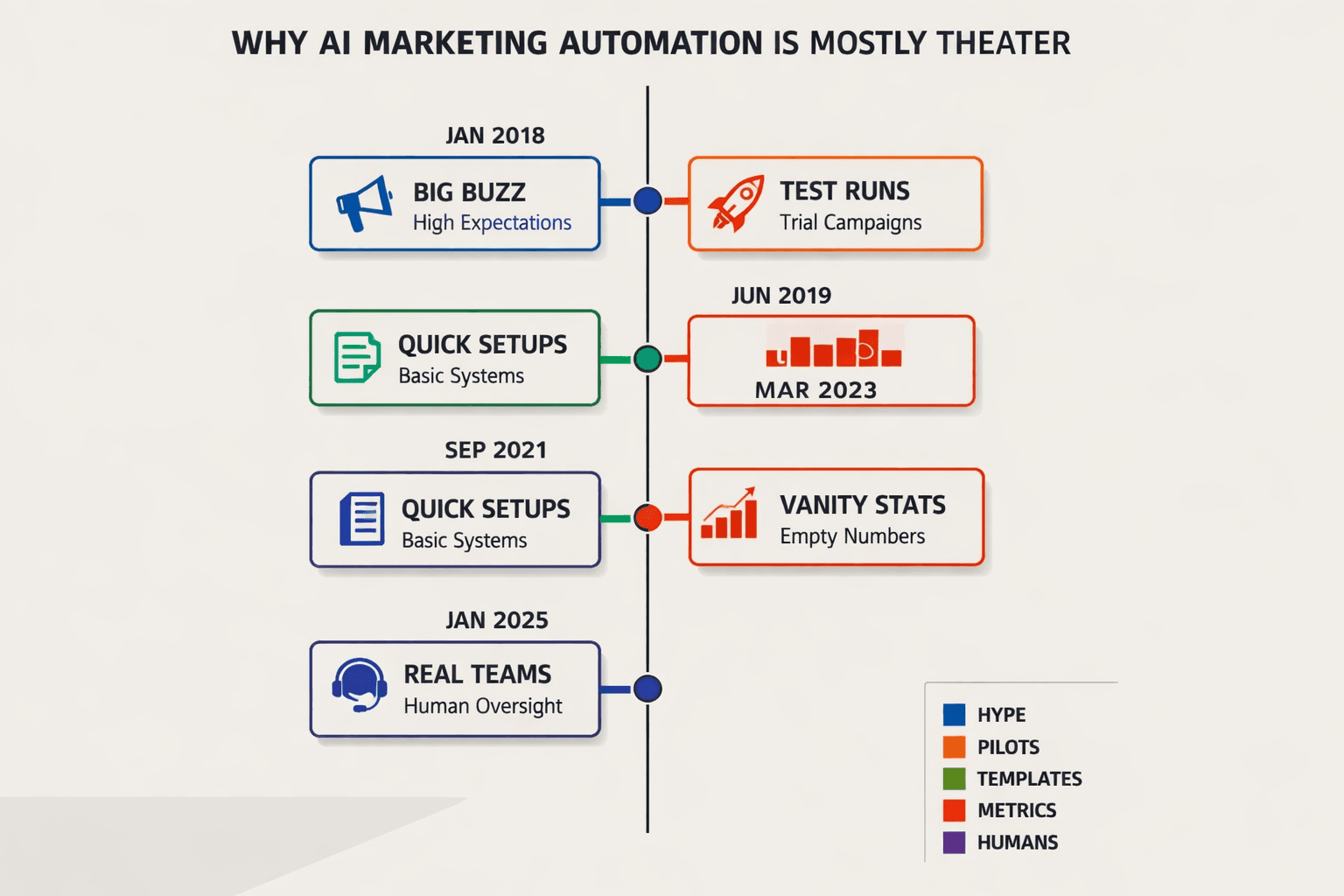
Why AI Marketing Automation Is Mostly Theater
The current state of agentic marketing
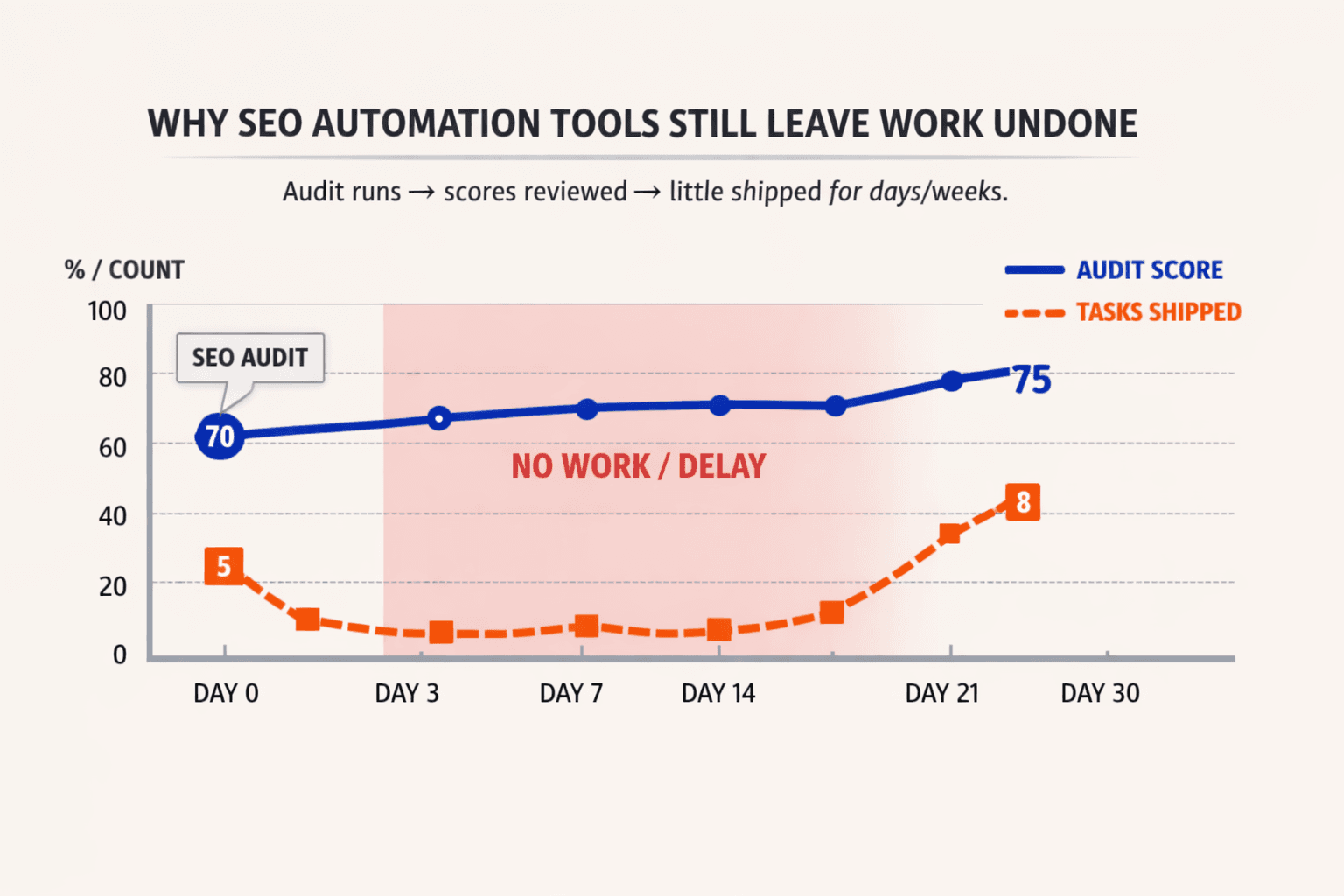
The current wave of agentic marketing sounds more advanced than it is. Most products can suggest a keyword, draft a brief, or summarize a page. Then the work stops. A person still has to approve, export, paste, publish, and report. That is not finished execution.
That matters because operational work is where programs break down. The handoff between insight and action kills momentum. We have seen teams lose days in that gap. For example, we once had 47 browser tabs open in week three of research. We still were not shipping. The software kept giving answers. It did not move the workflow.
Anai marketing agentshould do more than speak well. It should act inside the system where work happens. If it cannot run the task in the workflow, it is not autonomous enough to earn the label. That is the line we use.
Why chat is not execution
Chat is useful. It can speed up drafts, analysis, and ideation. But chat is still an interface, not an operator. When a tool replies with instructions and waits, the human remains the workflow engine.
This is where many ai tools for marketing fall short. They wrap content generation in a polished conversation and call it autonomy. In practice, they rarely handle the messy steps that matter. They do not publish to the CMS, check the page after launch, or track whether rankings moved.
That gap is now the central problem in SEO and content operations. Recommendation is easy to demo. Reliable execution is much harder to build. Real autonomy depends on action, guardrails, and dependable system access - as detailed in AI Agents Explained: The Brutal Truth About What They Can (And ...).
What buyers get wrong right now
Buyers still reward what looks smart in a sales demo. The market rewards polished responses over systems that complete work without drama. That is why so many tools for content teams look impressive, then create more review steps.
Lists of ai tools keep getting longer, but the workflow problem remains. The market is crowded, yet most tools still don't execute the full workflow. GWI tracks this expansion. MindStudio highlights how broad the use cases for ai agents now seem. Breadth is not the same as execution.
Our view is blunt. Anai marketing agentis software that audits, decides within guardrails, and completes the next operational step. If it only recommends, it is still an assistant. Buyers should stop asking whether a tool can chat. They should ask whether it can finish.
What an AI Marketing Agent Actually Executes
Audit and prioritize
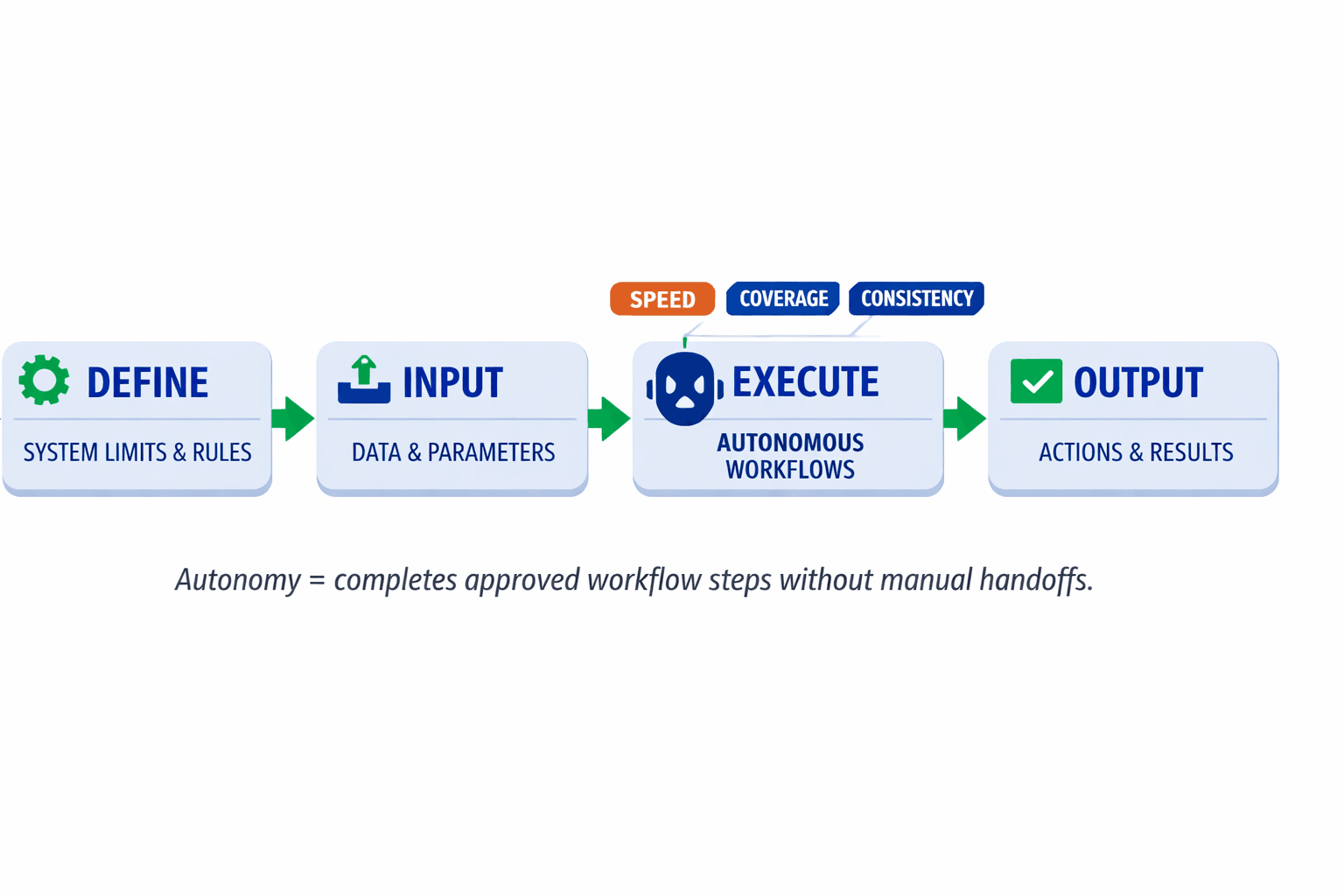
This is where real execution starts. An autonomous marketing agent can crawl pages, inspect templates, flag thin copy, spot missing metadata, and find internal linking gaps. It can also check indexability, detect pages stuck in draft, and rank issues by likely impact. That is very different from a tool that simply says, “here are some ideas.”
We learned this the hard way. At one point, we had 47 browser tabs open, a spreadsheet full of page notes, and no clean queue. We knew the site had issues. We did not know what to fix first. That moment shaped how we built Mygomseo. The system had to surface problems, score them, and move the next task forward without someone acting as the human router.
That is howai agents forSEO actually work when they are useful. They connect to the site, audit the live environment, compare page states, and create a bounded task list. The goal is not abstract insight. The goal is operational movement. For a deeper look at that audit layer, see OpenClaw for SEO: How to Automate Technical Audits with AI Agents.
Write and publish
Once the system knows what to fix, it can generate updates and push them live. For SEO, that means rewriting titles, expanding weak sections, improving headers, and drafting net-new pages from approved patterns. It can then publish into the CMS, verify page status, and confirm the output matches the brief. That is execution, not suggestion.
This is the highest-value use case today. Repeatable content operations are full of friction, and friction kills momentum. Agents can handle content workflows, yet workflow strength is not the same as brand stewardship. Research from MindStudio shows teams are already using agents incontent marketing.The important distinction is whether the system stops at draft creation or finishes the job.
For a visual walkthrough of this process, check out this tutorial from Grace Leung:
Monitor and track
Publishing is not the finish line. A usefulai marketing agentkeeps watching the page after launch. It tracks indexing, checks metadata coverage, monitors internal links, records ranking movement, and flags pages that slip or stall. It closes the loop between action and outcome.
Some will argue this is just automation with better branding. We disagree. The difference is continuity. Traditionalai tools formarketing often complete one isolated task. A real agent handles the next approved step without waiting for a person to export a file, send a note, or trigger the next system. That makes it practical for fast-moving SEO teams. If you want to see how we think about ongoing detection, read AI Technical SEO Strategies for Instant Detection and Audit Automation.
Why Humans Still Own Strategy and Brand
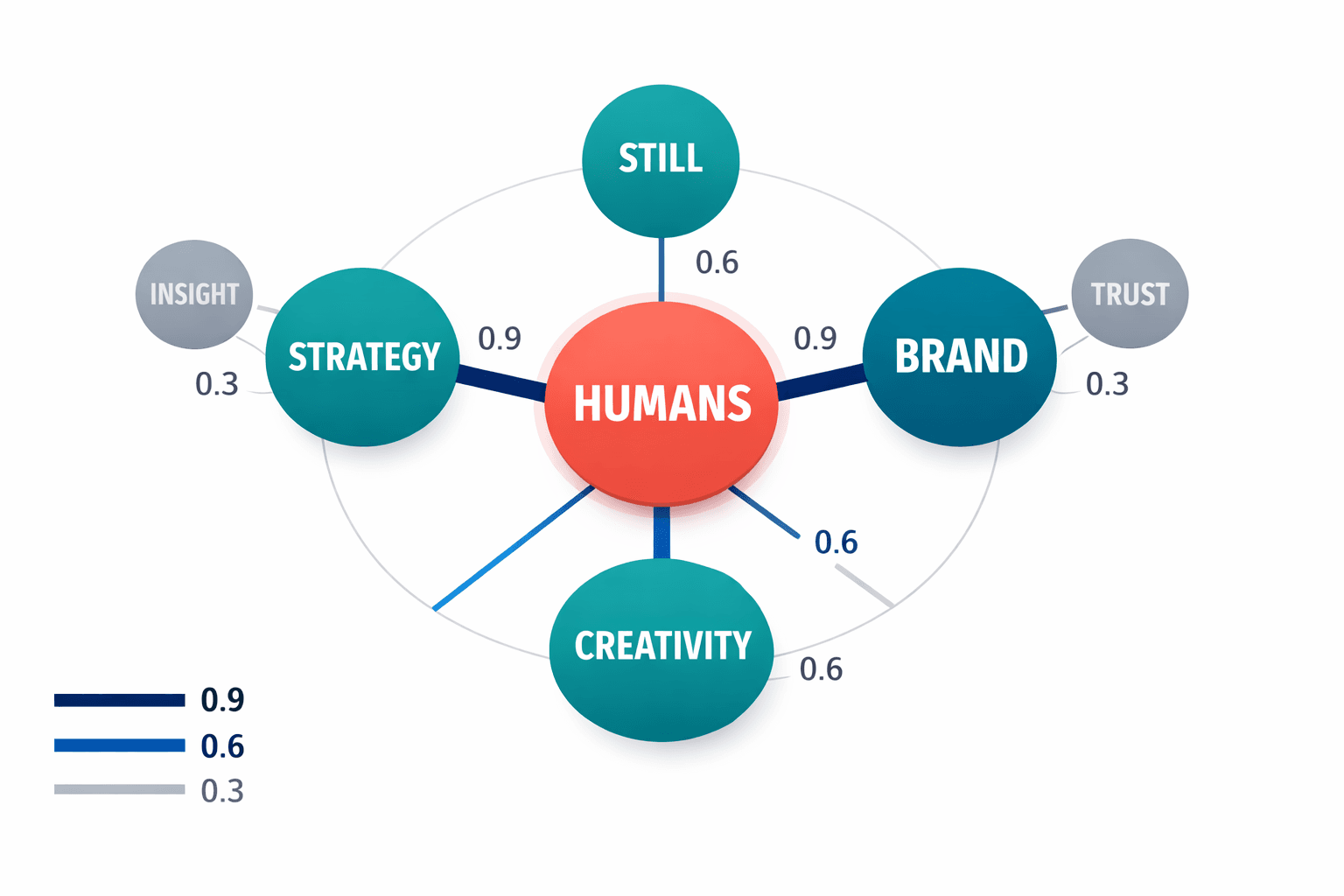
What agents should never decide alone
An ai marketing agent can execute tasks fast. It should not decide what your company stands for. Positioning, market selection, brand voice standards, legal risk calls, and creative direction still need people. Those are not workflow steps. They are leadership choices with long tails.
We learned this the hard way. Early on, we tested broad prompts against live brand scenarios. One run gave us a sharp tagline, a clean brief, and a polished page outline. It also pushed us toward a market we did not want. The copy sounded smart. The business choice was wrong.
That is the gap many vendors hide. They sell confidence as judgment. But strategy means choosing what not to pursue. It means weighing revenue goals, audience nuance, product limits, and competitive context at the same time. No generic system sees that full picture on its own, as Chief AI Officer argues.
Where human judgment still wins
Will AI replace marketing managers? No. It will change the job. The best managers will spend less time pushing tasks and more time setting direction, reviewing risk, and protecting coherence across channels.
Human judgment still wins when the answer depends on tension, not pattern matching. Should we go upmarket now? Should we sound more technical or more direct? Should we publish a claim that may trigger legal review? Those calls shape trust over months and years, not one sprint.
Some will argue that better models will close this gap. They will improve. But better prediction is not the same as accountable judgment. Agents can handle content workflows, yet workflow strength is not the same as brand stewardship. For teams focused on regulated markets, that line matters even more, which is why Top 7 Legal SEO AI Strategies Law Firms Need to Stay Ahead is a useful companion read.
The right division of labor
The right model is not humans versus ai agents in marketing. It is humans setting constraints while agents execute repeatable production work. That is where ai marketing automation creates leverage without creating drift.
We do not overpromise here. We automate execution and keep strategic control with the team. In practice, that means people define the audience, message, risk boundaries, and editorial rules. Then systems handle the repeatable work around audits, publishing flows, monitoring, and tracking. If you want to see that execution layer in action, read AI Technical SEO Strategies for Instant Detection and Audit Automation.
What still needs human input in AI marketing automation? The choices that carry consequence. Humans pick the hill. Agents help climb it.
The Standard Is Execution, Not Explanation
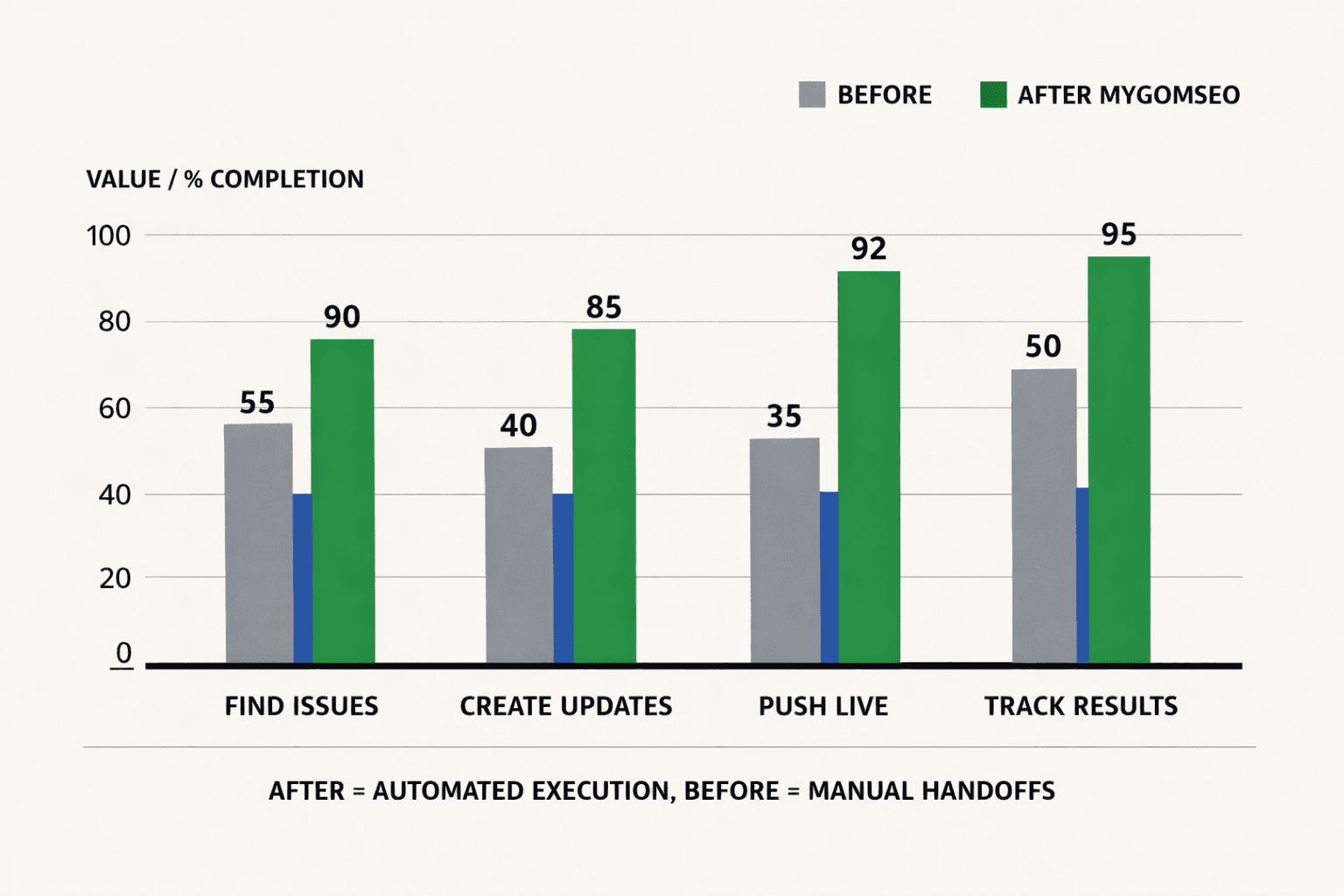
This is the difference we care about. Our system does not stop at recommendations on a dashboard. It executes inside guardrails: writing updates, publishing to live environments, monitoring post-launch performance, and tracking ranking changes. The human team still decides the rules that matter most: brand standards, strategic priorities, approval thresholds, and the pages that need extra review. But once those constraints are set, the work should move. That is the point of an autonomous system. It should reduce waiting, not create a new place to wait.
For SMBs and startups, this changes the economics of growth. Most smaller teams do not need another analytics layer. They need output. They need pages updated on time. They need content shipped without a chain of follow-ups. They need visibility into what changed, when it changed, and whether performance moved after the update. We built Mygomseo for that reality. The result is not just better looking workflows. The result is a team that can operate with the discipline of a much larger SEO function before hiring one.
We have seen the impact show up first in operations, not optics. Publishing cycles get shorter. Important updates stop falling through the cracks. Teams spend less time chasing drafts, exports, and CMS dependencies. Feedback loops tighten because the same system that executes the work also watches the outcome. That creates a cleaner operating model. When rankings shift, pages change, or opportunities appear, the team can respond faster because the workflow is already connected.
Some vendors will keep selling the illusion of agency through better chat interfaces and louder claims. We do not think that wins. The products that matter in agentic marketing will be the ones that complete bounded work reliably. They will operate inside live environments with clear accountability. The rest will sound impressive in a demo and disappoint in production. Our view is blunt because the market needs more honesty here: if a tool still depends on constant human relay work, it is not changing the operating model in any meaningful way.
That is why we built Mygomseo the way we did. We are not trying to make SEO feel futuristic. We are trying to make it run. The next wave of ai marketing agent products will be judged by one question: did the work get done? We believe the winners will be the systems that can answer yes, repeatedly, and with proof.
If you want to see real autonomous SEO execution on your own site, try Mygomseo free, test the workflow yourself, and Learn More.