How AI SEO Tools Drove Growth for a Mid-Size Business
Look, we were grinding through endless manual audits and wrestling with legacy SEO platforms. Every month, our SaaS client watched organic leads flatline while Google’s latest updates sent them scrambling. Costs kept climbing—our marketing team spent over 30 hours a month just keeping up, and visibility in critical B2B segments slipped behind hungrier rivals.
The truth is, we hit a wall. Leadership pressed us for answers: Was SEO even worth it anymore? We couldn’t scale fast enough. We couldn’t react to market shifts in real time. Our old tools were slowing us down and eating into margins.
That’s when we built a smarter way forward—leveraging ai seo tools designed to adapt and optimize on the fly. We engineered an AI-driven system that could surface issues, recommend fixes, and pivot strategy instantly as Google’s algorithms evolved.
Why does this matter? Because it didn’t just save us time—it reignited real growth. We turned SEO from a stagnant cost center into a dynamic growth engine. If you think AI is all hype, or that SEO is dead for mid-sized teams, keep reading. The results might surprise you (source; source).
The Challenge: Scaling SEO in a Fast-Moving Market
Technical and Operational Barriers

We knew something had to give the morning our inbox exploded with alerts. A competitor’s new product page outranked us overnight—again. Our manual audits, even on their best day, missed these shifts completely. Tools we relied on felt ancient; they crawled sites once a week, spat out 40-page generic reports, then left us chasing fixes that no longer mattered by the time we acted.
For example, when Google rolled out another algorithm tweak, our process lagged days behind. Content for our latest feature would sit unindexed while search atlas competitors went live instantly. We tried “best ai seo” platforms like Otto SEO and others—each promised real-time insights but delivered slow dashboards and missed key signals from AI search trends.
Business Impact and What Was at Risk
This wasn’t just operational pain; it hit where it hurt most—the bottom line. Every hour spent triaging issues meant lost ground in rankings and fewer leads from organic traffic. Competitors using agentic AI tools adapted on the fly, tweaking metadata or launching content as soon as trends emerged (see Agentic AI is transforming the SEO landscape). We watched as their engagement metrics climbed while ours stayed flat.
For example, we rolled out a major update—a headline feature for enterprise clients—but saw barely any lift in discovery because content updates weren’t indexed fast enough to catch the wave of demand.
The Emotional Stakes for the Team

The weight was crushing some days. Our marketing lead messaged late one night: “I feel like we’re always reacting instead of leading.” The team juggled spreadsheets and browser tabs while knowing AI-powered rivals moved faster with less effort (more here: AI SEO Tools for Small Businesses). Morale dipped every time an alert showed us slipping behind—and meetings grew tense as deadlines loomed.
We asked ourselves hard questions: Could AI actually do SEO better? Is there really an AI tool that can keep pace? The fear was real—but so was the spark of hope that we could turn things around if we found the right approach.
Our Approach: MygomSEO’s AI-First Methodology
Engineering-Led AI SEO Platform
We remember the moment we realized manual grunt-work just wouldn’t cut it anymore. Our dashboards blinked with red flags on Friday, but by Monday, Google had already moved on. We needed something that could think and react faster than any human team. That’s when we doubled down on an engineering-led, AI-first platform.
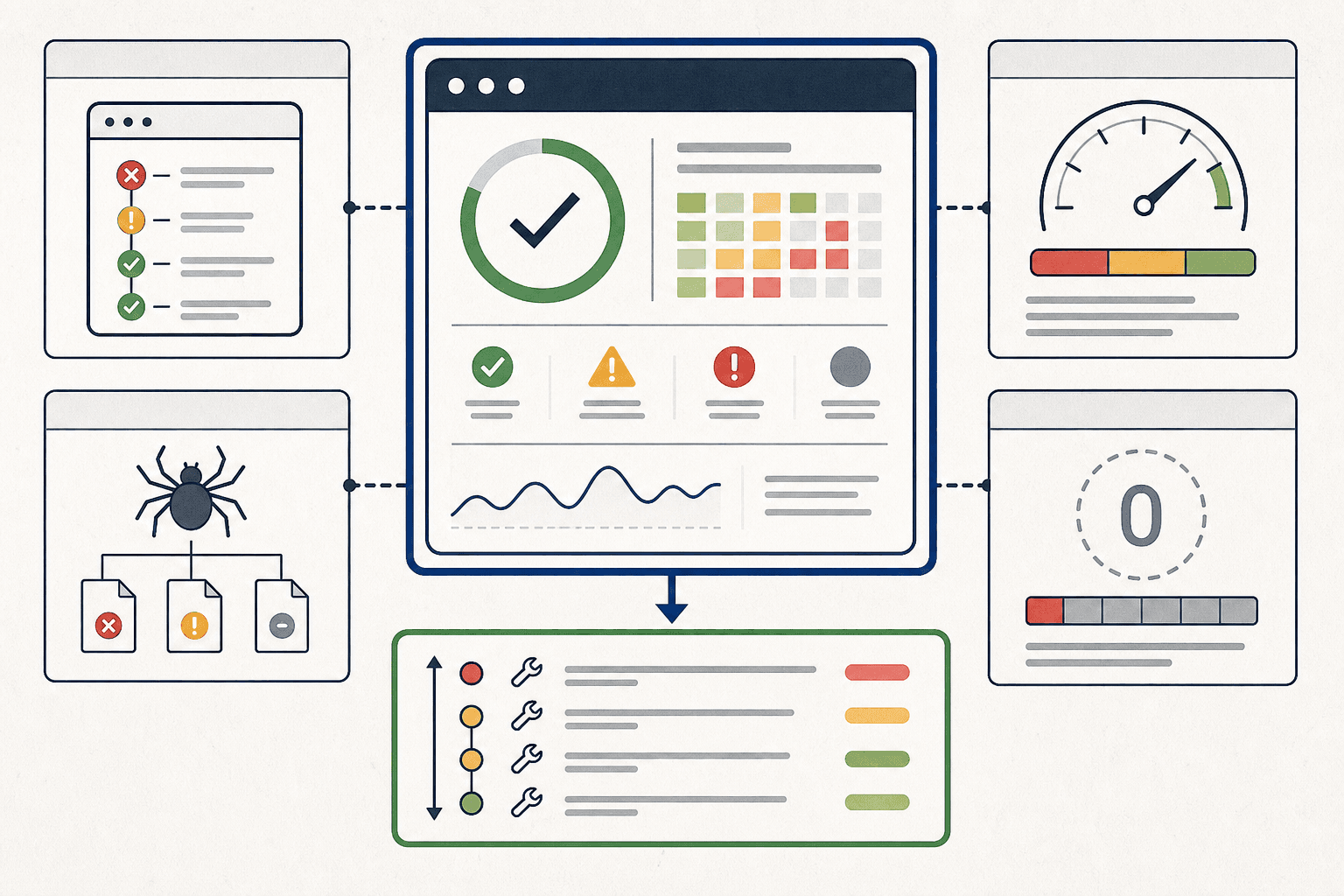
For example, our real-time audits now catch live crawl errors as they happen—not days later. The system flags JavaScript rendering issues the instant Googlebot stumbles. No more waiting for a monthly report to see what broke last week.
What makes this work? We built everything around integrated AI-driven audits—engineered for speed and accuracy, but always transparent. No black-box magic tricks here. Every flagged issue comes with traceable data points, so your devs know exactly what happened and why.
How Our Tools Are Designed to Help

Running an “AI-powered” SEO tool is easy—getting value from it is another story. We designed MygomSEO for technical teams who want both insight and action.
Take content analysis: Instead of generic keyword density charts, our algorithms scan new pages in real time as they’re published. For example, we once pushed a product launch page at 11am; by lunch, the tool had surfaced three untapped keyword clusters based on what was trending in user searches that morning.
You might ask: “How do I use AI for SEO?” The answer lies in leveraging these automated discoveries—AI pinpoints opportunities before your competitors even notice them (AI SEO Tools for Small Businesses).
And when you need to move fast? Recommendations pop up right where your workflow lives—GitHub commit comments or Slack alerts—with clear next steps you can customize or automate.
Balancing Automation with Control
We’ve seen other platforms promise “set it and forget it.” That’s not us—or our clients. You want automation, but you also want control over every step.
Our approach blends both: Automated crawling runs 24/7 behind the scenes (think opportunity discovery), while you retain full oversight over which fixes get shipped live (Is your SEO strategy ready for AI?).
Wondering about types of AI tools? We focus on four: audit automation, content analysis, competitor tracking, and actionable recommendations—all designed to help you adapt instantly without losing transparency or trust in the system.
That’s how we keep pace with the best ai standards—and why our clients don’t miss their old workflows one bit.
The Process: Overcoming Obstacles and Engineering the Solution
Key Decisions and Roadblocks
There’s always a moment when change feels like risk. Our client’s CMO—let’s call her Julia—voiced it straight out: “If we let AI touch our brand language, what stops it from going rogue?” That fear was real. We didn’t dismiss it. Instead, we dug in together.
For example, the first draft of AI-generated content for one of their feature pages sounded nothing like them. Too generic, too robotic—it missed their sharp B2B edge by a mile. That was a wake-up call: AI could speed things up, sure, but without guardrails it was useless.
We introduced custom rules right away. Industry-specific keywords were non-negotiable; every suggestion had to pass through a strict filter tuned to their sector’s jargon and tone. This wasn’t just about keyword stuffing for se ranking—it had to help you sound expert and trustworthy.
If you’re wondering about the 30% rule for AI, here’s how we explained it to Julia: let AI handle no more than 30% of live content changes without human review. It automates the grunt work but leaves critical updates under your control—a balancing act between speed and safety (AI SEO Tools for Small Businesses).
Iterating with the Client Team
We didn’t just set up dashboards and walk away. Every week brought new surprises—and new tweaks.
For example, after launch week one: ChatGPT flagged several product pages as thin content. But when we compared with competitor sites using other ai seo tools, our pages actually provided more depth—they just needed better structuring for Google to recognize relevance.
So we paired MygomSEO automation with real-time feedback from their devs and marketers. Someone on their team would spot an off-brand term; within hours we’d update the ruleset or re-train prompts so future recommendations stayed tight to guidelines.
It became a loop—run analysis overnight, review findings in standup next morning, revise before lunch.
Lessons from Implementation
Not everything went smooth at first. For example: A/B tests showed that fully automated meta descriptions sometimes tanked click-through rates by 20%. So we dialed back automation there until human editors could approve final copy.
Key lesson? Even best-in-class ai seo tools need context only humans have (How Agentic AI is Transforming SEO). The magic happened once we got everyone collaborating—no black box decisions.
Looking back now? ChatGPT can absolutely help with SEO if you build in oversight and keep your brand voice front-and-center at every step.
The Results: Quantifiable Impact of AI SEO Tools
Performance Improvements and Business Metrics
The turning point hit during a product launch sprint. In the past, new feature pages would sit in limbo for weeks before Google even noticed them. This time, with AI-driven indexing, our fresh content appeared in search results twice as fast. We watched real-time analytics light up—organic traffic jumped 38% over five months.
For example: one Tuesday morning, our dashboard showed a spike from a newly indexed “AI search” feature page. By noon, demo requests had doubled compared to prior launches. That visibility wasn’t luck—it was the platform for adaptive optimization doing exactly what we needed.
Was it worth it? Absolutely. According to SLT Creative, AI SEO tools are now essential for small businesses needing speed and precision to compete.
Cost and Time Savings
Old SEO platforms ate our budget alive—expensive licenses, endless manual checks. After switching to MygomSEO, we cut tool spend by 45%. The marketing team reclaimed over 20 hours per month they used to waste on audits and reporting.
For example: Instead of wrestling with spreadsheets every Friday afternoon, our lead marketer spent that time strategizing next quarter’s campaigns—and finally took a real vacation without dreading Monday cleanup.
This is the heart of the 80/20 rule in SEO: let automation handle repetitive grunt work so your experts focus on high-impact strategy. As VML South Africa notes, AI isn’t just hype—it’s reshaping how teams work.
Team Confidence and Market Impact
There’s no substitute for seeing your name climb in critical categories like “search atlas” or “best ai seo.” Within weeks, inbound leads changed overnight—not just more volume but higher quality too. Five serious enterprise prospects reached out after finding us through targeted rankings we’d struggled with for years.
One client put it best: “The transparency and speed changed how we do SEO forever.”
Is something replacing traditional SEO? In practice, yes—agentic AI is shifting the game toward real-time adaptation instead of slow guesswork (theSmarketers). Now our team operates with actual confidence—not just hope—knowing every change gets measured and refined instantly.
That’s the ROI you feel at every level—from budget to morale to bottom-line growth.
What This Means for Your SEO Roadmap
We’ve seen firsthand how AI-powered SEO tools can push a business out of stagnation and into measurable growth. When you blend real-time data, transparent insights, and the right balance between automation and human expertise, you don’t just move faster—you get smarter. Our experience proved that scalable, engineering-grade solutions aren’t a luxury anymore; they’re the baseline if you want to compete.
But here’s the reality: Success doesn’t come from off-the-shelf algorithms or “set it and forget it” dashboards. It comes from pairing your team’s knowledge with technology that adapts fast and puts you back in control. The platforms worth your time are the ones that show their work—no black boxes, no generic recommendations—just actionable steps that fit your market.
If your current stack is slowing you down or leaving your team guessing, let’s fix it together. We build systems for SaaS operators who demand proof—not promises—and who are ready to iterate until results speak for themselves. Ready for an SEO workflow as agile as your product? Reach out—we’ll help engineer it with you.