8 Signs Your SEO Tool Stack Is Creating Work Instead of Saving It
SEO tools should speed growth. Too often, they slow it down instead. As stacks grow, seo tools start to overlap, fight for data, and turn simple work into cleanup.
That matters because messy stacks break execution fast. According to Too Many Martech Tools? Why SEO Agencies Are Drowning in Martech Stack Complexity, 60% signals how common martech complexity has become. Bowler Hat found that 90% of SEO problems come from weak basics, not clever tactics, in SEO Not Working? Learn Why & How to Fix it! - Bowler Hat.
This article shows the clearest signs of tool sprawl. It also helps teams judge severity fast. Each symptom uses the same lens: what it looks like, why it hurts, and what a cleaner setup fixes.
1. Duplicate Data Distorts SEO Decisions
1. What it looks like
Duplicate data is one of the clearest signs that seo tools are fighting each other. Rankings differ in one dashboard, traffic shifts in another, and content status lives in a sheet no one fully trusts.
For example, a team may see a page marked “optimized” in a task tool, “in review” in a content sheet, and “declining” in a reporting dashboard. The result feels like three maps for the same road.
This usually happens because platforms pull data at different times, use different definitions, or track different sources. One tool may count clicks from Google Search Console, while another blends estimates with analytics data. That creates data silos and weak reporting consistency.
2. Why it hurts growth
When numbers clash, action slows down. Teams stop asking what to fix first. They start debating whose dashboard is right.
For example, a marketer flags a rankings drop, while the content lead points to stable sessions in another report. The meeting turns into manual reconciliation, not decision-making. Indexly notes that bloated stacks create operational drag as teams juggle too many disconnected systems (Too Many Martech Tools? Why SEO Agencies Are Drowning in Martech Stack Complexity).
That confusion also hides real performance issues. Bowler Hat explains that SEO often fails when measurement is unclear and teams cannot connect activity to results (SEO Not Working? Learn Why & How to Fix it! - Bowler Hat). If weekly reporting still needs copy-pasting between platforms, the stack is already too fragmented.
A team does not need endless seo tools. It needs a small set with one source of truth. In most cases, that means a core analytics source, execution workflow, and one shared reporting layer.
3. What better SEO tools should do
Better systems sync data once, then reuse it everywhere. They standardize definitions for rankings, traffic, and content status before reports reach the team.
A strong seo automation platform reduces handoffs across marketing operations. It should pull from source systems automatically, keep naming rules consistent, and cut spreadsheet cleanup. That is how teams spot issues faster and act sooner.
The best all in one seo tool is not the one with the most charts. It is the one that removes duplicate inputs, lowers manual work, and keeps reporting consistency intact.
2. Disconnected Workflows Delay SEO Output

What it looks like
Tool sprawl in marketing appears when each task lives elsewhere. Keyword research sits in one app. Briefs sit in another. Approvals happen in chat. Publishing happens in a separate CMS. That stack looks busy, but it moves like a relay race with dropped batons.
For example, a strategist finds terms on Monday. A writer waits for a brief in Docs. A manager requests edits in Slack. An editor then asks where the latest draft lives. By Friday, the team still has not published. The issue is not effort. It is broken content operations.
According to Instagram, teams can see output gaps compound by 73X when process friction stacks across channels. That makes disconnected seo tools a growth problem, not just an admin headache.
Why it hurts growth
Disconnected SEO workflows slow every handoff. Deadlines slip because nobody sees the full path. Managers chase updates across messages, tabs, and project boards. That is not coordination. It is operational drag inside marketing operations.
A scattered stack also hides blockers. One draft waits on approval. Another lacks internal links. A third is ready, but nobody knows. As Bowler Hat notes, weak execution often kills momentum before strategy has time to work. Jared Berg on LinkedIn also flags stalled progress as a red flag when teams cannot move work cleanly.
Research from Instagram shows 71x friction can build when teams rely on manual status checks instead of workflow automation.
For a visual walkthrough of this process, check out this tutorial from Nathan Gotch:
What better SEO tools should do
Better seo tools connect idea, brief, draft, approval, and publish in one flow. They reduce extra check-ins. They show status clearly. They cut the need for side-channel updates.
That is the real fix signal. Connected systems remove coordination overhead and speed output. As Indexly argues, simpler stacks reduce martech complexity and help teams execute faster. If a manager still needs to chase progress manually, the stack is still the bottleneck.
Alert Fatigue Buries Real SEO Issues
What it looks like
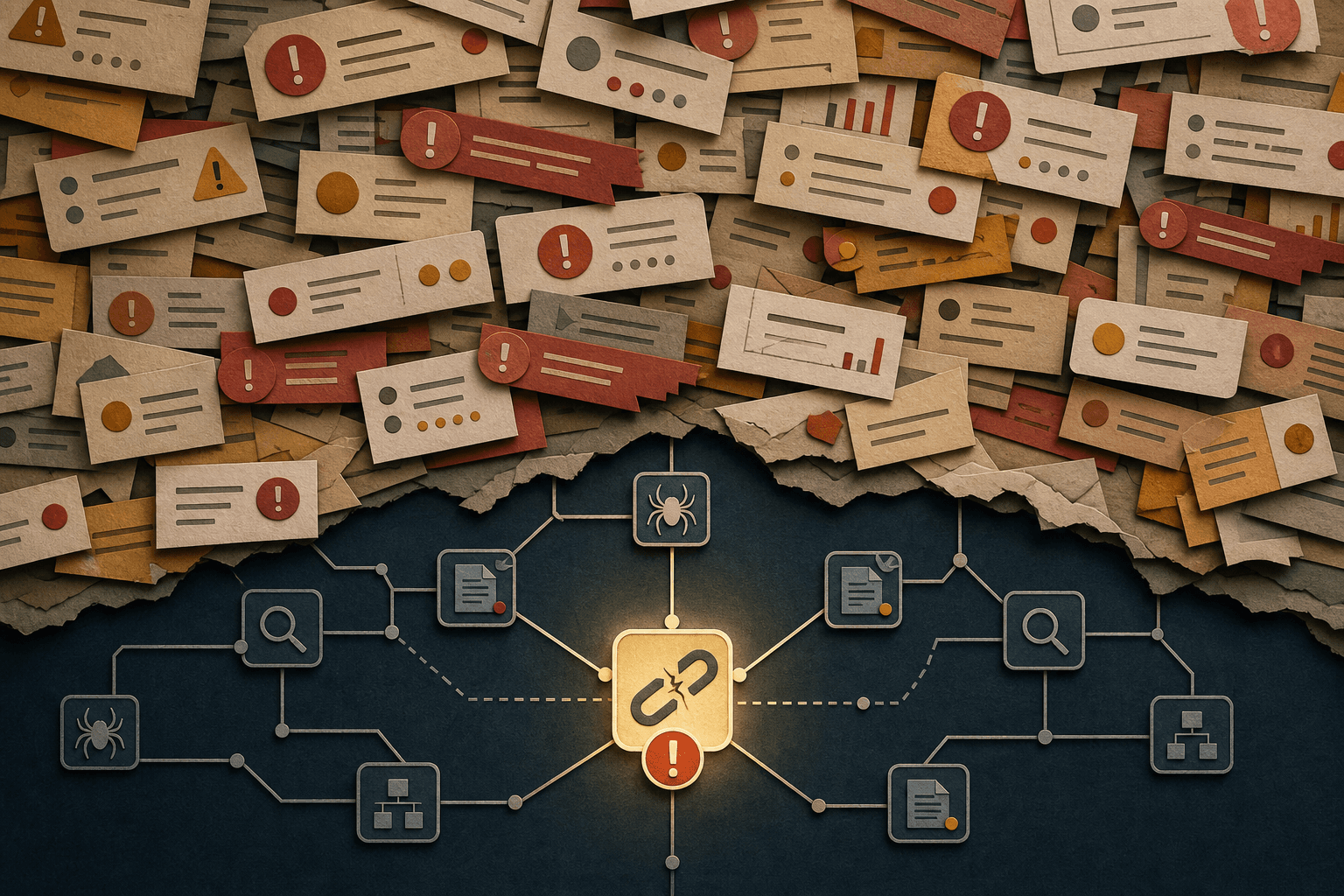
Alert fatigue starts when every tool acts like a fire alarm. Teams get rank-drop notices, crawl warnings, audit flags, and competitor updates all day. None arrive with useful context. None show what matters first. For example, a minor title tag issue can land beside a deindexed page alert.
This is where bloated seo tools stop helping. They create noise, not action. Indexly describes how overloaded stacks increase complexity instead of clarity. The pattern is easy to spot. If a team mutes notifications just to stay sane, the system has already failed.
Why it hurts growth
The damage is simple. When every alert feels urgent, nothing feels urgent. Important issues get buried under low-value updates. A broken template, a blocked page, or a sharp traffic drop can sit untouched because the queue looks the same every hour.
For example, a content lead may see twenty alerts before lunch. Only one points to a real indexing problem. The rest are routine rank changes and weak competitor signals. That weakens signal prioritization and slows response time. Bowler Hat notes that SEO progress depends on fixing the right blockers, not reacting to every fluctuation Bowler Hat.
Research from Instagram shows a 9x gap in outcomes when teams focus on the right actions. Data also indicates a 7x difference when response improves around high-value signals (Instagram).
What better SEO tools should do
Better seo tools cut noise before it hits the team. They group related issues, assign severity, and route each alert to the right owner. That is the core of useful seo monitoring. A developer should get technical crawl failures. A marketer should get content decay or publish delays.
Strong workflow automation also changes the next step. Instead of sending another warning, the system should open a task, attach evidence, and show impact. That is what a real seo automation platform should handle. In practical terms, the best all in one seo tool makes alerts feel like decisions, not interruptions.
4. Manual Publishing Gaps Break Consistency
1. What it looks like
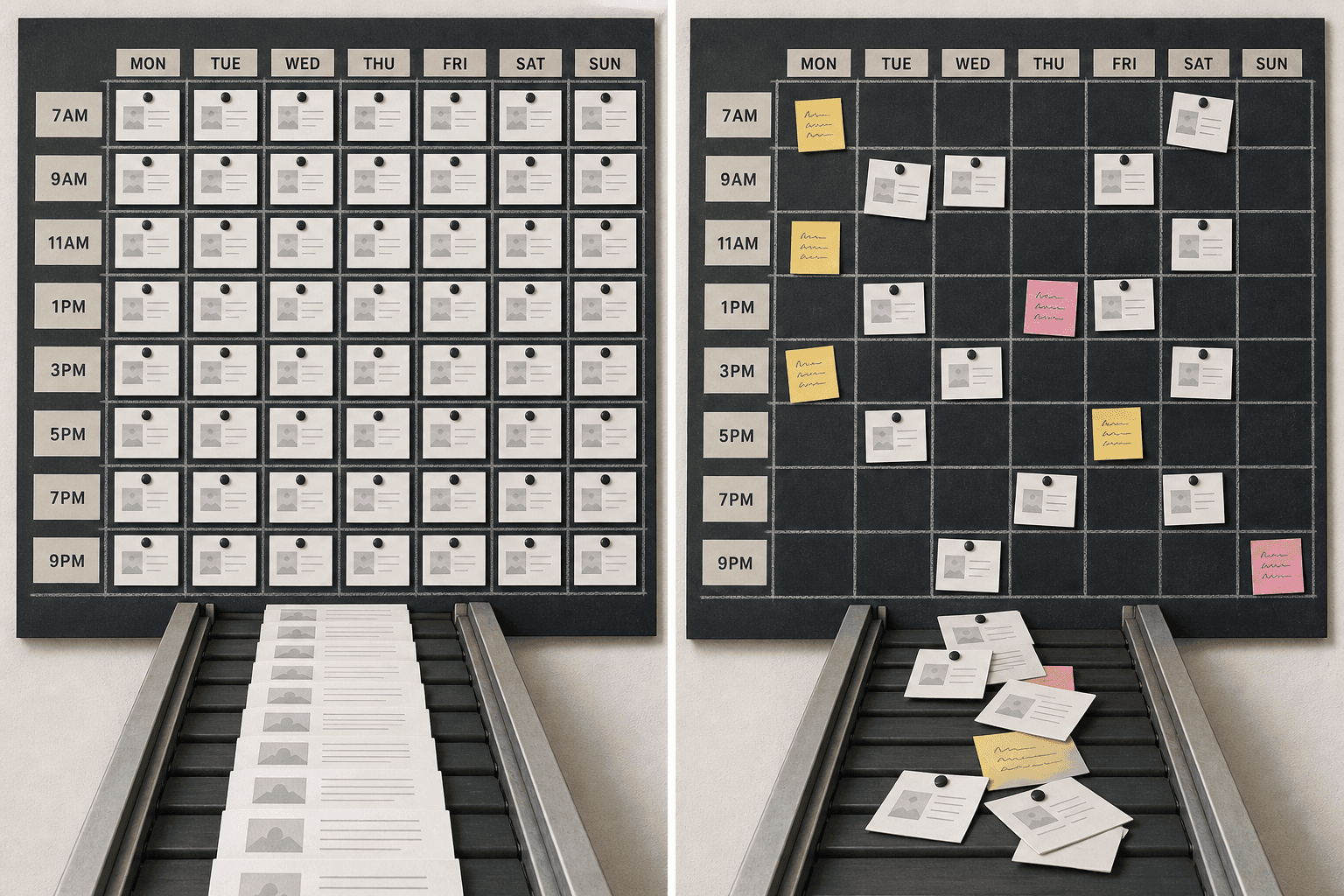
Manual publishing gaps show up at the worst moment. The draft is done, but the work is not. Someone still needs to format headers, enter copy in the CMS, check metadata, build social posts, and send approval emails. For example, a blog post can sit finished at noon and still miss its publish slot by Friday.
This is where tool sprawl feels absurd. Content looks complete in one system, but unfinished in another. The real blocker is not writing. It is checklist work spread across manual workflows and hidden handoffs. As Indexly notes, stack complexity often creates extra operational steps instead of removing them.
2. Why it hurts growth
These delays drain momentum after the hardest part is done. Writers finish. Designers finish. Then the piece waits for one person to move it through the last mile. That lag slows content publishing, breaks campaign timing, and weakens launch consistency. Bowler Hat also points out that weak execution often blocks results, even when strategy is sound.
For example, a seasonal page that goes live late misses the search window. A product update publishes without social support. An email goes out before the landing page is live. Research from Instagram shows teams can move 2X faster when repetitive steps are removed. Instagram also found that clearer execution can improve output by 3X.
3. What better SEO tools should do
Better seo tools reduce the hand work between draft and live page. A strong seo automation platform should push approved content into the CMS, carry metadata forward, trigger social tasks, and show status in one view. Everyone should see whether a page is drafting, queued, approved, or live.
That visibility matters more than another dashboard. If launch day depends on one person doing checklist work by hand, there is a clear automation gap. The best all in one seo tool supports marketing operations by making routine publishing steps automatic, visible, and repeatable. As Jared Berg on LinkedIn suggests, steady progress depends on removing red-flag bottlenecks before they stall execution.
Conclusion: Broken SEO Tools Need Fewer Workarounds
The clearest sign of a broken stack is not another dashboard. It is the shadow system around it. Teams start building private spreadsheets, side docs, and unofficial checklists when the main process cannot carry real work. That looks harmless at first. It is not. Those side systems trap context with individuals, slow onboarding, and make output depend on memory instead of process.
This is where many SEO tools fail the real test. They may collect data, but they do not move work cleanly. A better setup does more than monitor performance. The best all in one seo tool gives teams one visible flow for planning, execution, reporting, and publishing. That reduces hidden handoffs. It also makes blockers easier to spot before deadlines slip.
If work only advances through private notes and manual nudges, consolidation should move from “nice later” to “needed now.” That is the real evaluation lens. The stack is not healthy because it has more features. It is healthy when work moves forward without side systems.
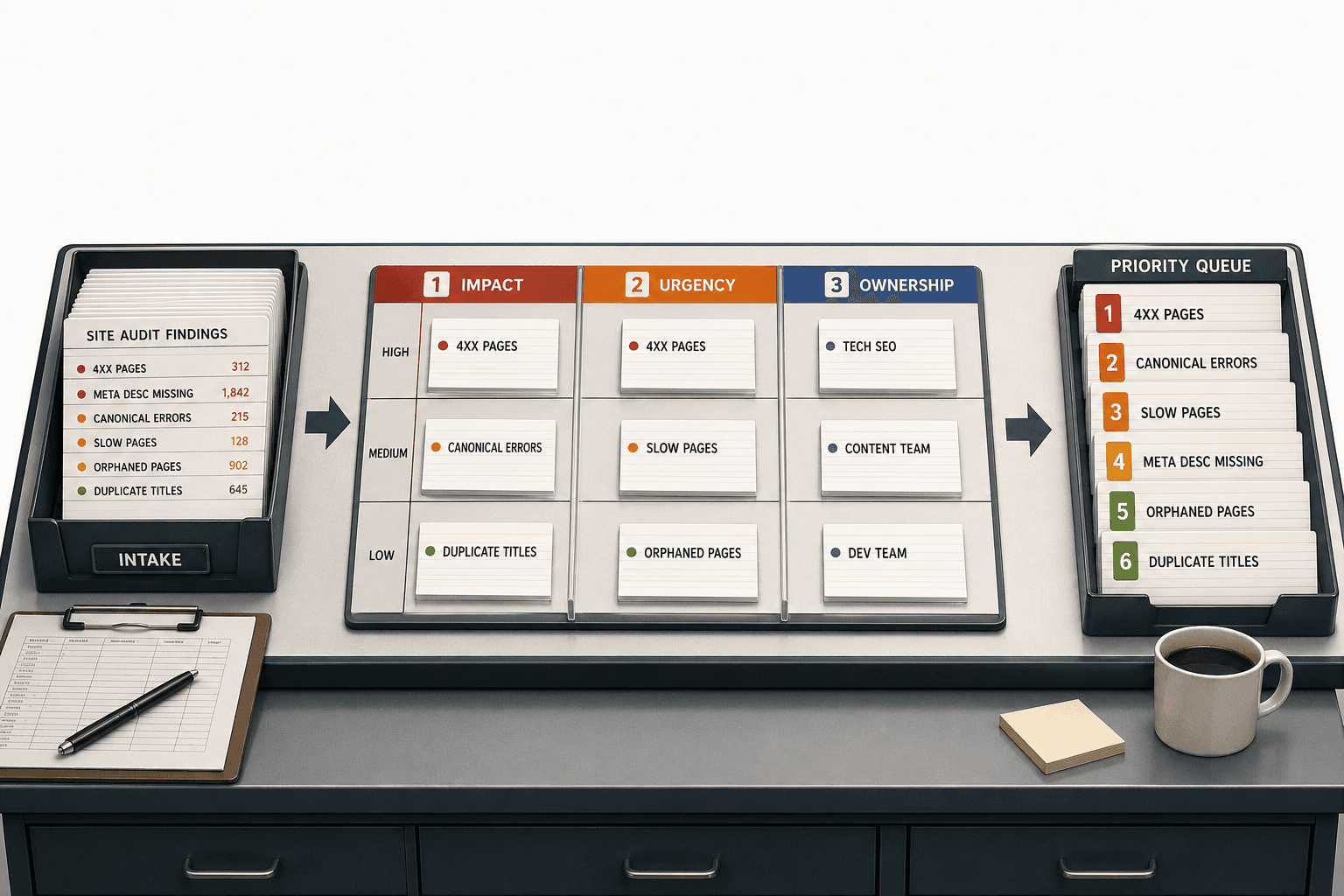
- Duplicate data — Business impact: High · Hidden cost: High · Urgency to fix: High
- Disconnected workflows — Business impact: High · Hidden cost: High · Urgency to fix: High
- Alert fatigue — Business impact: Medium · Hidden cost: Medium · Urgency to fix: Medium
- Manual publishing gaps — Business impact: High · Hidden cost: Medium · Urgency to fix: High
- Shadow processes — Business impact: Very high · Hidden cost: Very high · Urgency to fix: Very high
Shadow processes score highest because they hide every other problem. Duplicate data creates confusion. Disconnected workflows create delays. Alert overload creates noise. Manual publishing creates drag. But shadow processes make all of that harder to see, measure, and fix. They keep the real operating model off the record.
The key takeaway is simple. Tool sprawl is not just a software problem. It is a marketing operations problem. The more work depends on unofficial systems, the less the team can scale with confidence. That is why the best all in one seo tool should be judged by one practical outcome: fewer side systems, fewer status chases, and clearer ownership from idea to published asset.
For lean teams, the right move is a simple seo automation platform that cuts admin work fast. For growing teams, consolidation matters most when handoffs start breaking between roles. For complex teams, visibility and governance matter as much as speed. In each case, the goal stays the same: fewer moving parts, clearer process, and output that does not rely on heroics.
The stacks that win next year will not be the noisiest. They will be the ones that make execution boring, visible, and repeatable.
Want to learn more? Learn More to explore how this can help.