AI SEO Tools Compared: Which Ones Actually Execute vs Just Report (2026)
An ai seo tool is no longer just a dashboard. It is the system that helps teams research, publish, optimize, and adapt before rankings slip. That matters now because most marketing teams already have reports, yet still miss the execution window. According to Best AI SEO Tools 2026: Master Generative Search - Yotpo, 20% will integrate agentic AI, pushing automation deeper into search workflows. Research from 15 Best AI SEO Tools Compared for 2026 (Tested & Ranked) found one team grew organic traffic 127% in three months after fixing technical SEO issues automatically. This comparison breaks down what an ai seo tool actually is, which tools only report, which tools help teams act, and which platforms close the execution gap for in-house marketers and founders.
How This AI SEO Tool Comparison Was Evaluated
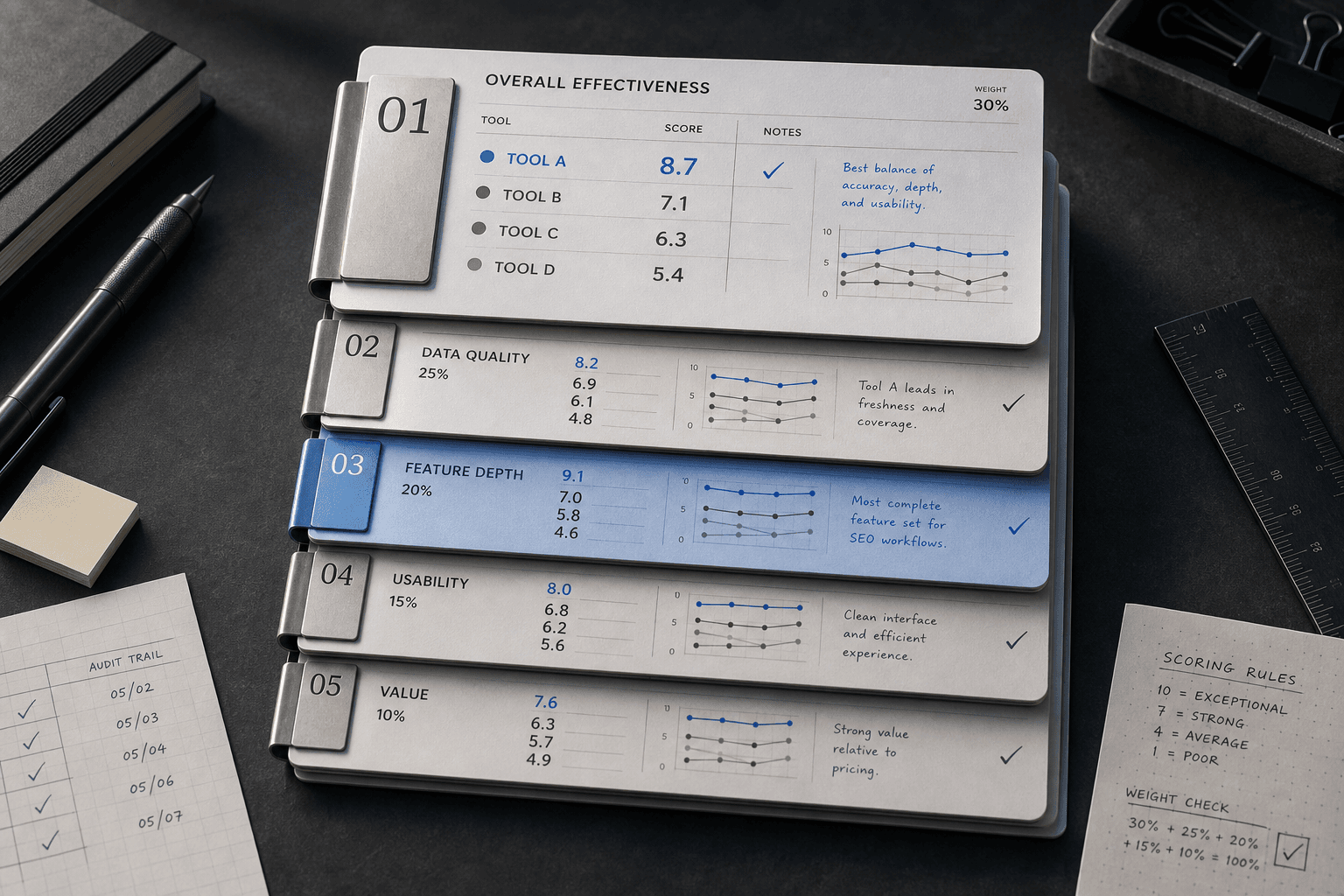
Evaluation criteria
This ai seo tool comparison used six clear criteria. It looked at AI search tracking, workflow automation, content optimization support, publishing ability, ease of use, and pricing fit for SMB teams. That matters because features can look similar on a sales page, yet the daily workflow can feel very different. For example, one platform may suggest keyword updates, while another can brief, optimize, and publish the page.
The review also checked whether tools that claim automation actually reduce manual work. A strong seo automation tool should remove repeat tasks, not add review overhead. It should help humans create better content faster, with cleaner briefs, sharper edits, and stronger publishing flow. That standard reflects current market roundups from Yotpo and GetRyze.
Reporting versus execution
The comparison split platforms into two buckets early: tools that report and tools that execute. That distinction matters because dashboards do not ship work. Reporting tools surface rankings, audits, and gaps. Execution tools act more like an extra operator that helps teams draft, optimize, update, and publish.
For example, a reporting product is like a fitness watch. It shows the numbers. An execution product is closer to a coach who also builds the workout plan. This is the core difference between SEO reporting and SEO automation.
Why AI search tracking matters
AI search tracking became a major decision factor in 2026. Market research across leading lists showed only 4 out of 12 top SEO tools track ai search, which creates a real separation between tools that monitor change and tools that miss it. OneLittleWeb and Whatagraph both show how fast this category is evolving.
That gap matters because search behavior is shifting. Teams still need human judgment, brand voice, and trust. The best platforms support that work instead of pushing generic AI copy that can weaken results.
Best AI SEO Tools Compared by Execution Capability
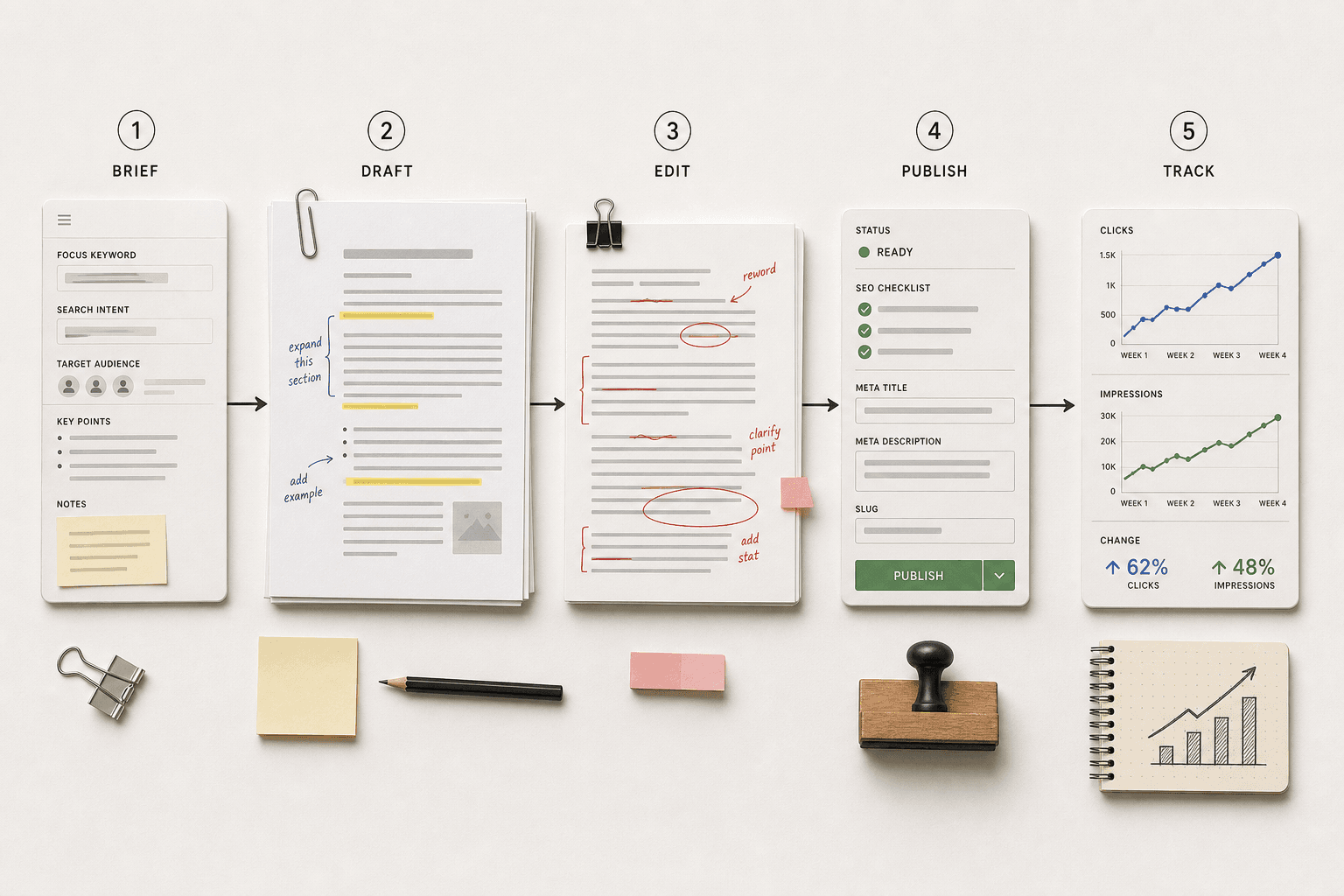
Ahrefs
Overview
Ahrefs remains one of the best-known SEO software platforms for research and competitive analysis. It is strongest when a team needs clear visibility into rankings, backlinks, keywords, and site issues. On execution capability, though, Ahrefs mostly supports decisions rather than carrying them out. For example, it can show which pages lost traffic, but the team still needs to update and publish the fix.
Key Features
Ahrefs offers keyword research, backlink analysis, site audits, rank tracking, competitor monitoring, and content ideas. Its AI support is mostly tied to faster analysis and recommendations, not end-to-end workflow automation. In lists of best ai seo tools 2026, Ahrefs appears often because its database depth is still a major asset for planning work, not because it acts autonomously on that work. OneLittleWeb and Yotpo both place it in the research-heavy category.
Strengths
Ahrefs gives teams strong data quality and a clear interface. It is useful for finding ranking gaps, spotting backlink opportunities, and prioritizing pages with real upside. Unlike lighter AI tools, it helps teams validate opportunities before they invest time. That makes it a solid fit for marketers who already have writers, editors, and developers in place.
Weaknesses
Ahrefs does not close much of the execution loop. It does not autonomously draft, approve, publish, and maintain content across a workflow. That means small teams can still end up with a clean strategy and a messy backlog. Where execution speed matters most, Ahrefs often needs companion tools or human operators.
Best For
Ahrefs is best for teams that need strong research before action. It fits in-house SEO leads, agencies, and content teams that want better decisions but already have people to execute. It is less ideal for teams that want one platform to move from insight to published output with minimal handoffs.
Mygomseo
Overview
Mygomseo sits in a different category because it focuses more directly on autonomous execution. Instead of stopping at insight, it aims to help teams move work forward across content, optimization, and publishing tasks. For example, a founder might identify a target topic in the morning and have the workflow prepared for review by the afternoon. That changes the day-to-day burden for lean operators.
Key Features
Mygomseo centers on automated SEO workflows, content planning, optimization support, and operational follow-through. Its value is not just feature breadth. The difference is how tightly those features connect into action. In roundups from GetRyze and Whatagraph, tools in this category stand out when they reduce manual switching between research, writing, and publishing steps.
Strengths
Mygomseo is strongest for teams that need output, not only visibility. It helps close the gap between identifying an opportunity and shipping the page. That matters in small teams where one person may act as strategist, editor, and publisher. In that setting, this ai seo tool can reduce operational drag more than a platform built mainly for reporting.
Weaknesses
The trade-off is depth in classic SEO datasets. Teams that live inside backlink analysis or advanced competitive research may still want a second tool. Autonomous execution also needs oversight. AI can move work faster, but it still benefits from human review, brand judgment, and final approval before publishing. That fits the broader trend that human content often performs better when AI supports process rather than replaces thinking.
Best For
Mygomseo is best for small teams, startup marketers, and founders who need execution help. It also suits operators managing content with limited bandwidth. A team looking for extra support beyond software may also pair that workflow with resources like Free community tools to tighten planning and review.
Semrush
Overview
Semrush offers one of the broadest SEO and digital marketing suites in the market. It covers research, audits, content guidance, rank tracking, competitive insights, and adjacent functions like ads and social. On execution, Semrush sits between pure reporting and true automation. It helps teams organize work well, but humans still carry most of the final load.
Key Features
Semrush includes keyword tools, site audits, position tracking, content templates, writing support, competitor research, and workflow features across multiple channels. It also has AI-assisted functions inside content and analysis products. That breadth is why many best ai seo tools 2026 lists include it, including Yotpo and SlateHQ. It can cover more functions than point solutions, which reduces tool sprawl.
Strengths
Semrush works well for cross-functional marketing teams. It gives SEO, content, and paid teams a shared operating view. Unlike Ahrefs, it reaches further into workflow support. Unlike narrower automation tools, it gives stronger all-around coverage for mixed-channel programs. That makes it useful for companies where SEO sits inside a broader demand generation motion.
Weaknesses
Breadth can create complexity. Small teams may pay for features they rarely use. The platform also still leans on humans for execution. It can recommend actions and structure tasks, but it usually does not remove enough manual follow-through for teams that need fast publishing with limited staff. In practice, it is more command center than autopilot.
Best For
Semrush is best for growing marketing teams that need one broad platform. It suits businesses balancing SEO with content, ads, and competitor tracking. It is a strong middle ground for teams that want guidance and coordination, but not necessarily full autonomous execution.
Surfer SEO
Overview
Surfer SEO is more specialized than Ahrefs or Semrush. It focuses on content optimization, SERP analysis, and on-page guidance. Its execution value comes from helping writers improve drafts faster, not from running full SEO operations automatically. For example, it can tell a content team what topics to cover and how a page compares to top results.
Key Features
Surfer offers content scoring, optimization briefs, SERP-driven recommendations, keyword suggestions, internal linking support, and AI-assisted writing workflows. In content-focused reviews from Indie Hackers and OneLittleWeb, it shows up as a practical tool for editorial teams. It is less about technical SEO depth and more about making draft improvement faster and more consistent.
Strengths
Surfer is strong for content optimization. It gives writers concrete direction and makes revision easier to manage. That is valuable when teams want humans to write the final piece but need structure during production. Research from GetRyze notes testing on live sites doing between $100K and $5M in annual revenue, which reflects how these tools are often judged by workflow impact, not novelty alone.
Weaknesses
Surfer has a narrower scope than broader seo software suites. It does not offer the same backlink depth as Ahrefs or the same cross-channel range as Semrush. It also does not provide the same autonomous follow-through as Mygomseo. Teams still need a person to manage briefs, edits, approvals, and publishing.
Best For
Surfer SEO is best for content teams focused on on-page improvement. It fits editors, freelancers, and marketers who publish often and need faster optimization. A team building that process role-by-role may also look at support models like Marketing Manager (US) when software alone is not enough.
What the Comparison Means
For small teams, Mygomseo stands out because it reduces manual handoffs the most. For automatic SEO, AI can handle parts of the workflow, but it still works best with human review. For content optimization, Surfer SEO remains a focused choice, while Semrush offers broader support and Ahrefs stays strongest in research. The right pick depends on where the bottleneck sits: insight, coordination, optimization, or execution.
AI Search Tracking and Common SEO Software Pain Points
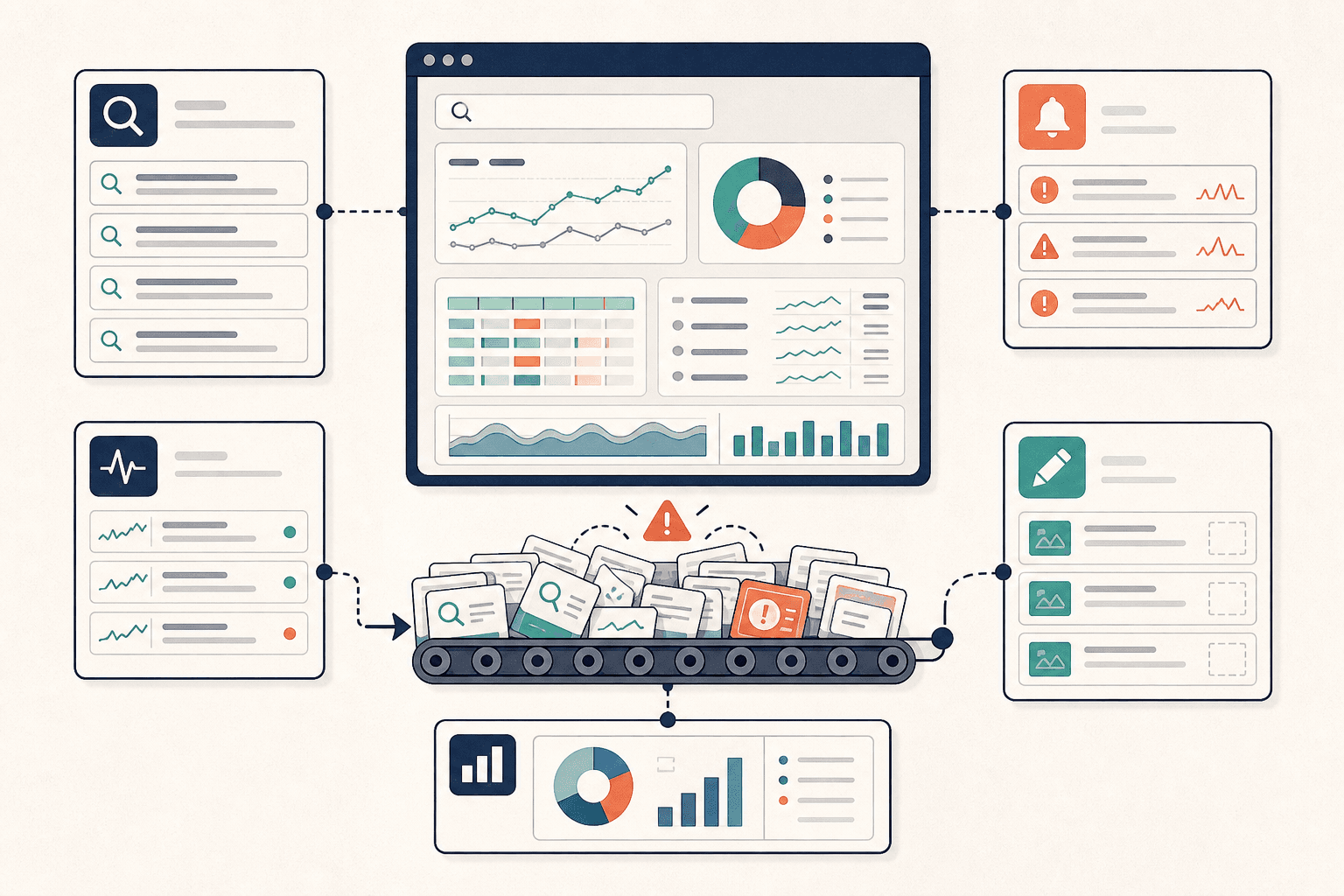
Side by Side Comparison Table
- Reporting-first SEO platforms — AI search tracking: Limited to emerging · Automation depth: Light · Content support: Briefs and audits · Publishing support: Weak or none · Pricing approach: Seat or usage tiers · Ideal team type: Analysts and mature SEO teams
- AI content assistants — AI search tracking: Varies by vendor · Automation depth: Medium · Content support: Drafting and rewriting · Publishing support: Usually manual handoff · Pricing approach: Per seat or credits · Ideal team type: Lean content teams
- Workflow automation layers — AI search tracking: Indirect · Automation depth: High · Content support: Depends on integrations · Publishing support: Strong · Pricing approach: Usage-based · Ideal team type: Ops-heavy marketing teams
- Execution-first platforms like Mygomseo — AI search tracking: Built into workflow · Automation depth: High · Content support: Optimization plus production support · Publishing support: Native or connected publishing · Pricing approach: Platform pricing · Ideal team type: SMB teams needing speed
Research from 15 Best AI SEO Tools Compared for 2026 (Tested & Ranked) found teams tested these tools on live sites with revenue up to $5M. That matters because smaller teams feel workflow friction faster. For example, one person may own research, content edits, and publishing in the same week.
Common Pain Points by Tool
Good tools still create hard days. The first pain point is data overload. Dashboards show rankings, clusters, and suggestions, but teams still need someone to decide what ships.
The second pain point is manual execution. A platform may flag an opportunity, yet the actual work stays stuck in docs, spreadsheets, and CMS queues. This is where many tools that report stop helping.
Weak AI search visibility is another issue. Yotpo notes that AI search behavior now changes how brands surface, but not every seo software stack tracks that shift well. Teams can rank in classic search and still miss newer discovery surfaces.
Where Reporting Tools Fall Short
Reporting-first platforms often break when speed matters most. They explain what happened, but not how to complete the next ten tasks. That creates fragmented tool stacks and extra handoffs.
An ai seo tool also does not replace human writers. It removes repetitive work so people can refine claims, voice, and structure. AI-generated content is not bad by default, but weak, generic output usually is. According to 15 Best AI SEO Tools Compared for 2026 (Tested & Ranked), the market reached $1.8B in 2024, yet the winning systems still support human judgment.
Which AI SEO Tool Fits Your Team
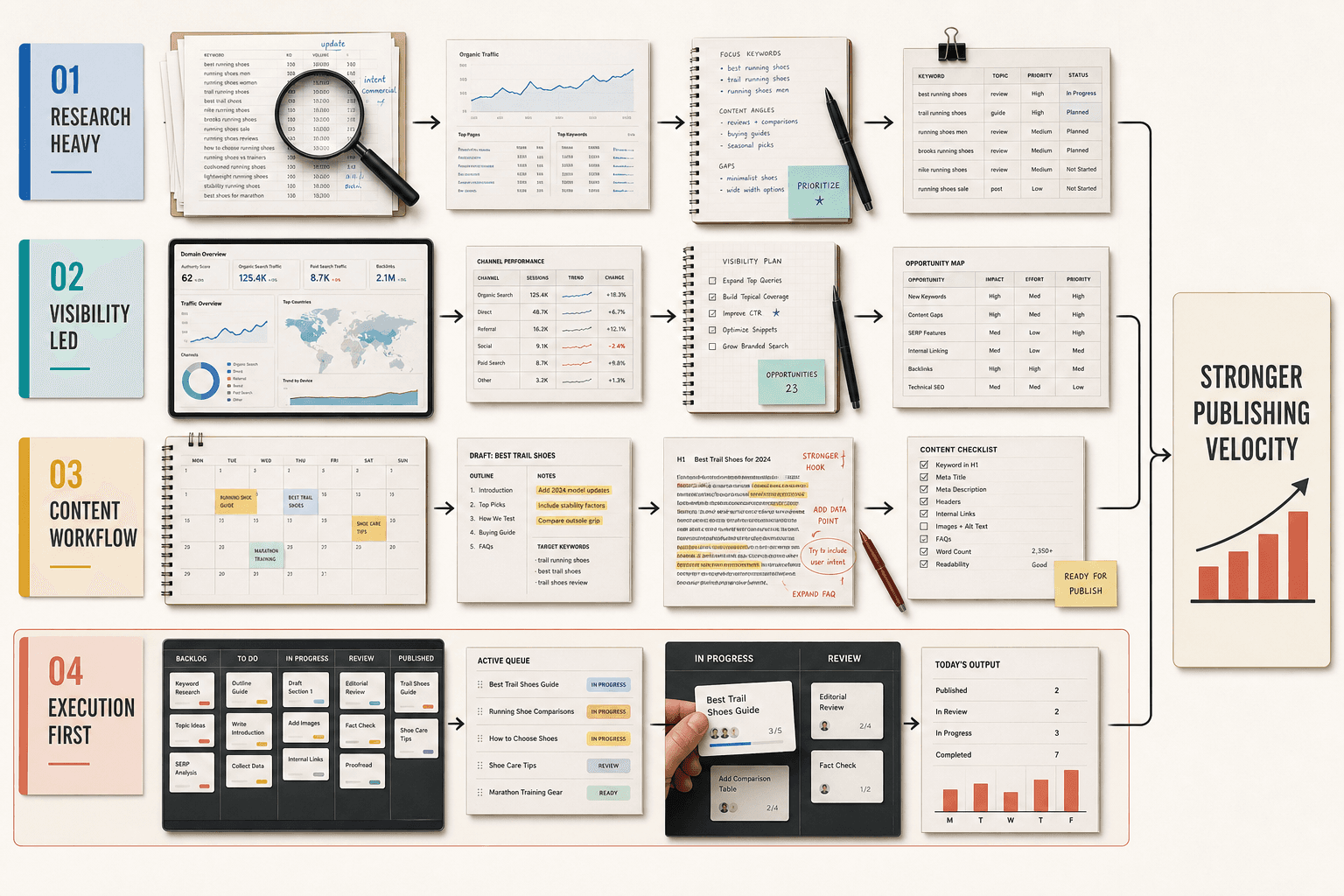
Teams that need serious keyword, link, and competitor research will likely lean toward Ahrefs. Teams that want one broad platform for SEO, paid search, and brand visibility may prefer Semrush. Surfer SEO fits content teams that already publish often and want tighter optimization workflows inside that process. Mygomseo stands out for teams that do not need another dashboard. It fits teams that want tasks executed across content, publishing, and ongoing optimization with less manual follow-through.
That is the blunt point. If a team already has enough data, the next gain usually comes from execution speed, not another reporting layer. Reporting-first tools still matter. But for many in-house teams and founders, the bottleneck is no longer insight. It is getting strong work live, updated, and improved fast enough to match how search and AI search now move.
The winning stack is the one that helps humans publish better content faster, keep quality high, and stay consistent across search, AI search, and ongoing optimization. For teams that want a simple next step, Try It Free to explore free community tools.