How AI Overviews Are Changing SEO Strategy in 2026
Ai overviews seo is the new battleground for search visibility. Google now answers more queries on-page, and the blue links get fewer chances. Our traffic drops rarely come from bad content now. They come from lost placement in AI answers. According to AI for SEO: Your Guide for 2026 - Salesforce, AI can deliver 1024x gains - and that speed cuts both ways.
We built Mygomseo to scan sites, automate fixes, and ship SEO updates fast. We also run live client SEO, so we see shifts before dashboards do.
In this article, we’ll show the visibility changes we measure. We’ll also share the tactics we use to adapt, write, and win placement inside AI Overviews.
Ai overviews seo: Google AI Search Is Taxing Clicks and Concentrating Winners
Current State: What we see across tracked queries
AI Overviews often end the search journey early. In our logs, the biggest impact hits definitions, comparisons, and how-to queries. Google AI Search answers the question in place. Users feel “done” before they ever see a blue link.
I remember the first time this clicked for us. We watched a client’s “how to” query live. The overview showed steps, caveats, and a neat summary. Our page still ranked. The session never arrived.
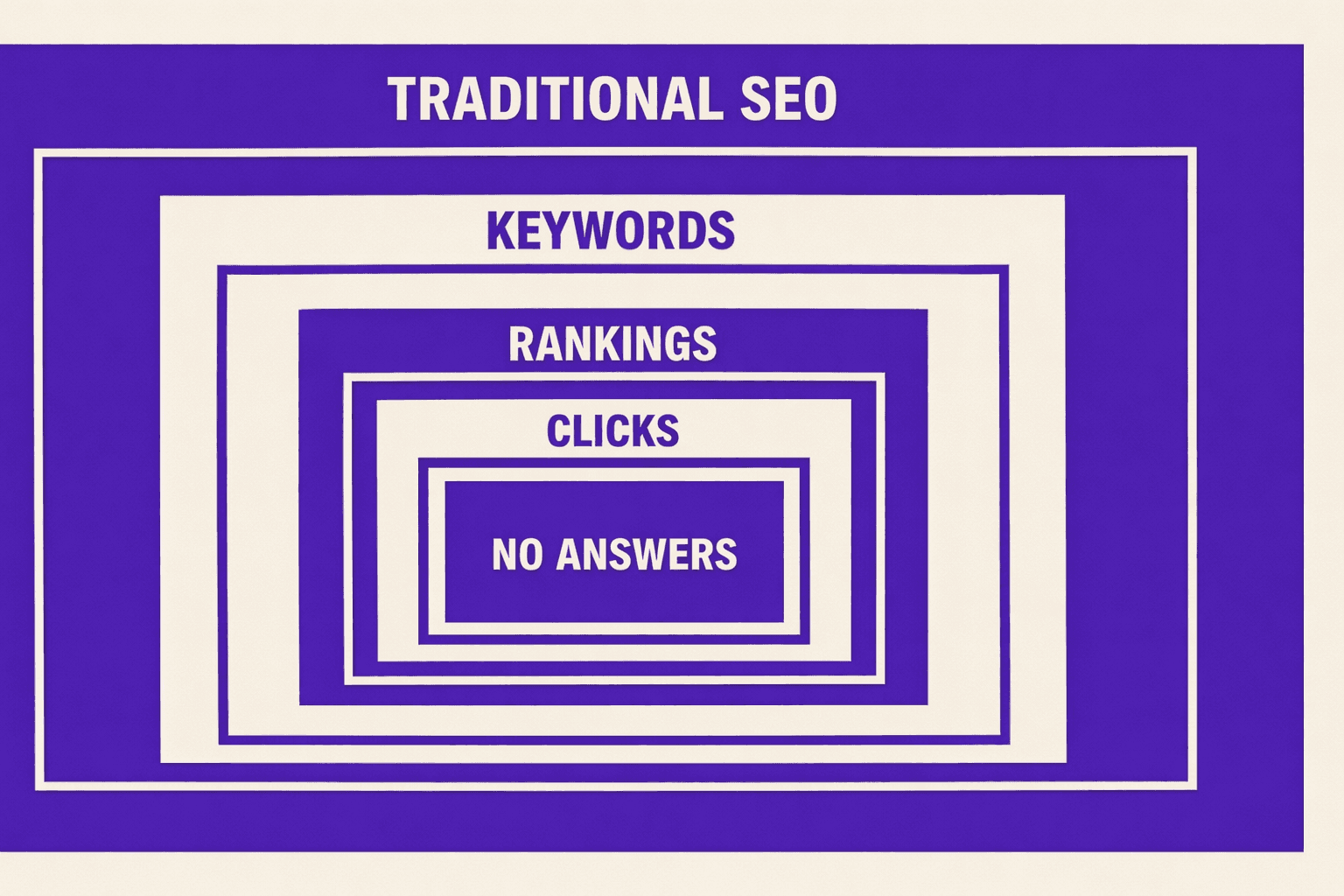
This is the new pattern for ai overviews seo. Traditional SEO still matters, but it no longer explains outcomes alone. If we only watch ranks, we watch the wrong movie.
Visibility math: Impressions up, clicks down
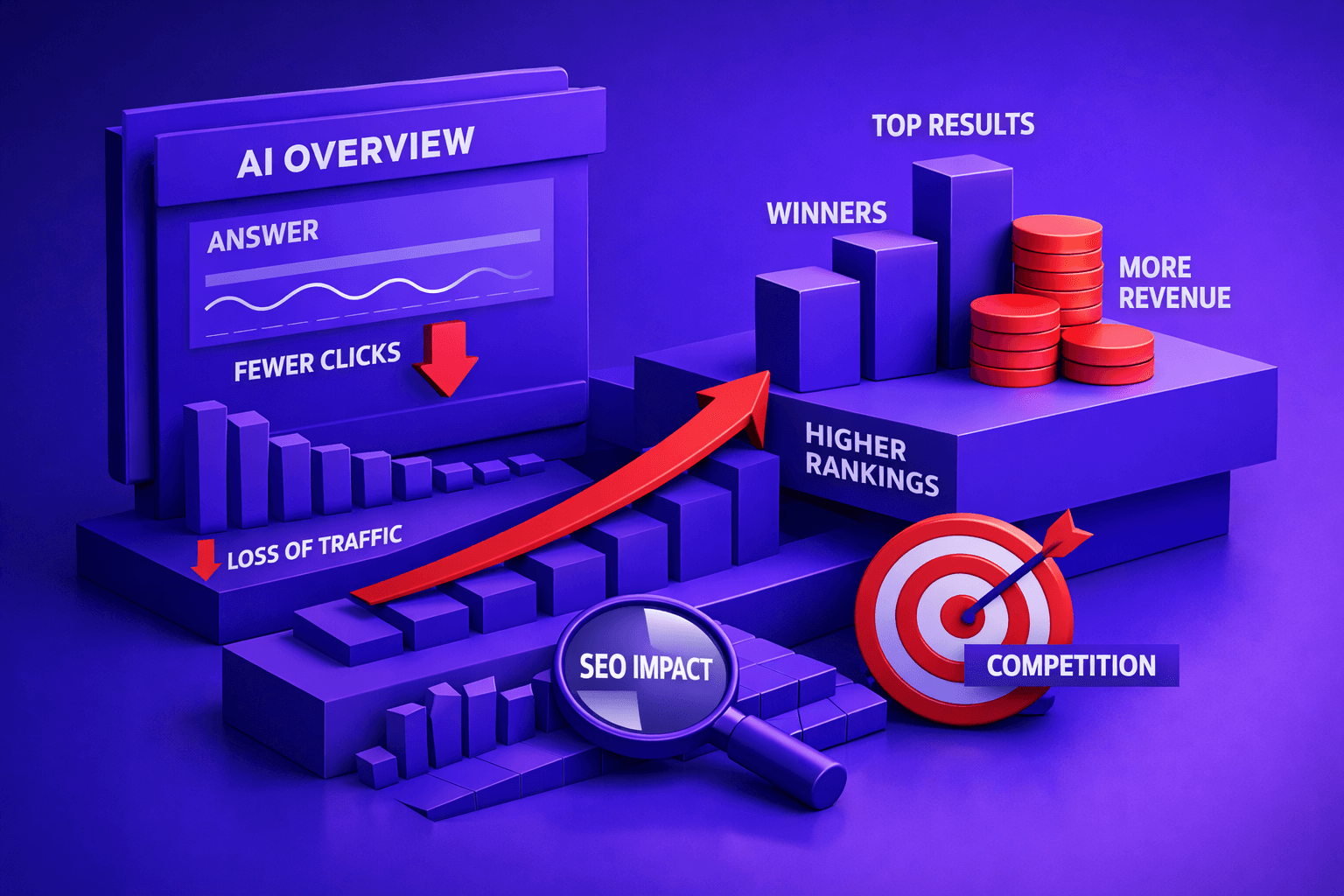
Do AI Overviews reduce organic clicks? Yes, for overview-triggering keywords, we see it happen. Impressions stay stable because Google still shows our listing. CTR drops because the overview satisfies intent.
That’s why rankings stay the same but traffic drops. Nothing “broke” in your on-page work. The click opportunity changed. The result page now has an answer layer that steals the first read.
We now measure two outcomes, not one. We track organic position, and we track AI inclusion rate. That means citations, mentions, and being used as a source. If your dashboard only tracks positions, you miss the real visibility loss.
This shift also changes what “optimization” means. Salesforce frames the moment clearly, pointing to AI-driven shifts that can change performance fast (AI for SEO: Your Guide for 2026 - Salesforce). Research from Salesforce also highlights how quickly AI can amplify outcomes once it locks onto usable sources (AI for SEO: Your Guide for 2026 - Salesforce).
Who wins: Brands with entity signals and quotable pages
The winners are not always the #1 ranking page. They are the most usable sources for synthesis. AI systems prefer pages that read like building blocks. Clean definitions. Direct comparisons. Tight steps. Short, quotable passages.
Brands win when they send strong entity signals. Clear authorship helps too. So does consistent naming across the site. We build content for scanners, not just readers.
If you want a practical playbook, start with our guide on AI Overviews SEO tactics that drive results in Google Search. Then pressure-test your site using How to Tell If Your Site Is Ready for Google's AI Overviews.
And yes, the concentration effect is real. Salesforce even spotlights “2x” type outcome swings once AI-driven surfaces change the funnel shape (AI for SEO: Your Guide for 2026 - Salesforce).
Our Perspective: We Built an AI Overview Visibility System

What we built: Overview detection, citation capture, and topic clustering
We stopped guessing and built a pipeline for ai overviews seo.
I remember the breaking point clearly.
We had 47 tabs open and three “truths” from three tools.
So we built our own system.
First, it detects when a keyword triggers an AI Overview.
Then it captures every cited source and URL.
Next, we map those citations back to our pages.
We also map them to competitors.
Finally, we cluster topics by shared citations and shared intent.
That last step changed how we plan.
Because AI systems don’t reward “one page per keyword.”
They reward coverage that fits a synthesis model, not a checklist.
If you want a deeper readiness checklist, start with How to Tell If Your Site Is Ready for Google’s AI Overviews.
How we score pages for AI inclusion, not just ranking
We treat AI Overviews like a new SERP feature.
So we gave it its own KPIs.
We track presence rate, citation rate, and assisted-brand lift.
Here’s how you know if your keywords trigger AI Overviews:
- Run your tracked queries daily and flag “overview present.”
- Capture the cited domains and cited URLs.
- Compare those citations against your ranking URLs.
Then we score pages for inclusion likelihood.
We classify intent types: definition, comparison, step-by-step.
That helps us predict where the overview appears next.
What should you track besides rankings for AI search?
Track “ranked but not cited” pages.
That’s where we prioritize updates first.
Salesforce frames this shift as optimizing content for AI-driven discovery, not just blue links (AI for SEO: Your Guide for 2026 - Salesforce).
Client impact: What changed after we shipped it
Our playbooks now start with “where the AI is answering.”
They no longer start with “where we rank #8.”
That one change ended weeks of wasted effort.
We focus on pages that already rank but don’t earn citations.
We tighten structure, clarify claims, and add proof.
Then we optimize for reusability - headings, summaries, and clean comparisons.
Research from The Future of SEO: How AI Is Changing Content Strategy in 2026 shows teams use AI tools to forecast topics 30 - 90 days ahead.
That matters because overview triggers shift fast.
We now plan refresh cycles around those shifts.
And we keep the goal simple.
Win the citation, not the position.
If you want the tactical layer, read AI Overviews SEO Tactics That Drive Results in Google Search.
Why Ranking First Fails in AI Search and What Works Instead
Write for synthesis not just keywords
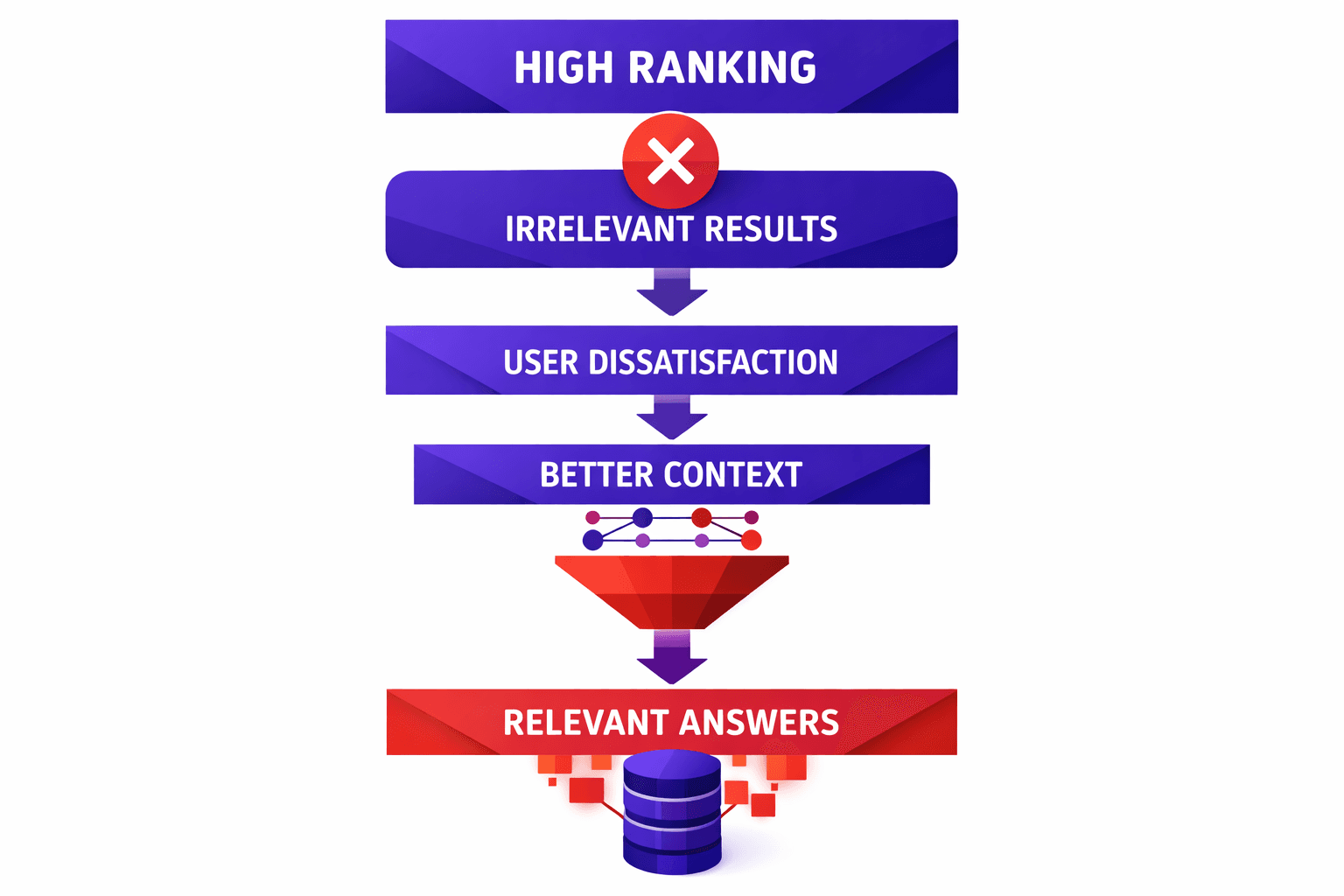
We learned this the hard way. We had a page ranking first. The Overview cited three other brands. That was the day we stopped worshipping position and started designing content for synthesis.
In ai overviews seo, the “winner” is the source the system can reuse. That means we optimize for extractability. We write tight definitions. We label steps. We add comparison tables. We make a clear claim, then support it with proof.
To optimize for AI Overviews, we start with an “answer block” near the top. It’s a clean 40 - 60 word summary. It matches overview phrasing. It skips hype. Then we expand with steps, constraints, and examples for humans.
Structure pages to be quotable and extractable
If AI can’t lift clean lines, it won’t lift your brand. So we structure pages like a reference. Each section answers one question. Each list has labeled steps. Each table has a clear “why choose A vs B.”
We also reduce ambiguity on purpose. We delete vague lines like “it depends.” We replace them with constraints, numbers, and “when to use” rules. Data indicates position one CTR drops 34.5% when AI features reduce clicks (SEO Trends 2026: Developing Strategies for the AI Era). That pushes us to write content for extraction, not just clicks.
Technical basics that still matter in an AI-first SERP
AI search still runs on crawl and trust. Fast pages still win. Clean indexation still wins. Internal links still decide what Google sees first.
We also strengthen entity signals everywhere. We use consistent naming for the brand and product. We add a real About section. We add author and company context. We link internally to show topical ownership. Google’s systems lean on entity understanding at massive scale. In 2026, Google’s Knowledge Graph reportedly holds over 500 billion “interconnections” (The Best AI SEO GEO Strategies to Implement in 2026 - OpenCloud). If we look fuzzy as an entity, we look optional as a source.
For our technical checklist in an AI-first SERP, we keep it simple:
- Improve speed on key templates.
- Fix indexation noise and duplicate URLs.
- Tighten internal links around one topic cluster.
- Add author and company context on money pages.
If you want the deeper technical angle, read Why AI Search Systems (ChatGPT, Perplexity) Are Changing Technical SEO in 2026.
Skeptics corner AI Overviews are just snippets right
Some will argue AI Overviews are just featured snippets. That misses the shift. Snippets often pull from one page. Overviews synthesize across sources. They cite broadly. They feel less rank-dependent.
Research from The Best AI SEO GEO Strategies to Implement in 2026 - OpenCloud claims AI-powered search engines now command over 40% of query volume. Even if that number swings by category, the direction is clear. More answers happen inside the interface. So our strategy must change.
Is traditional SEO dead? No. It just stopped being the finish line. We still need rankings to earn crawling, trust, and eligibility. But we also need extractable writing, entity clarity, and pages built for reuse. That’s the only way we stay visible when the SERP becomes an answer engine.
For our full playbook, see AI Overviews SEO Tactics That Drive Results in Google Search.
SEO Strategy 2026 Means Engineering for Inclusion Not Clicks
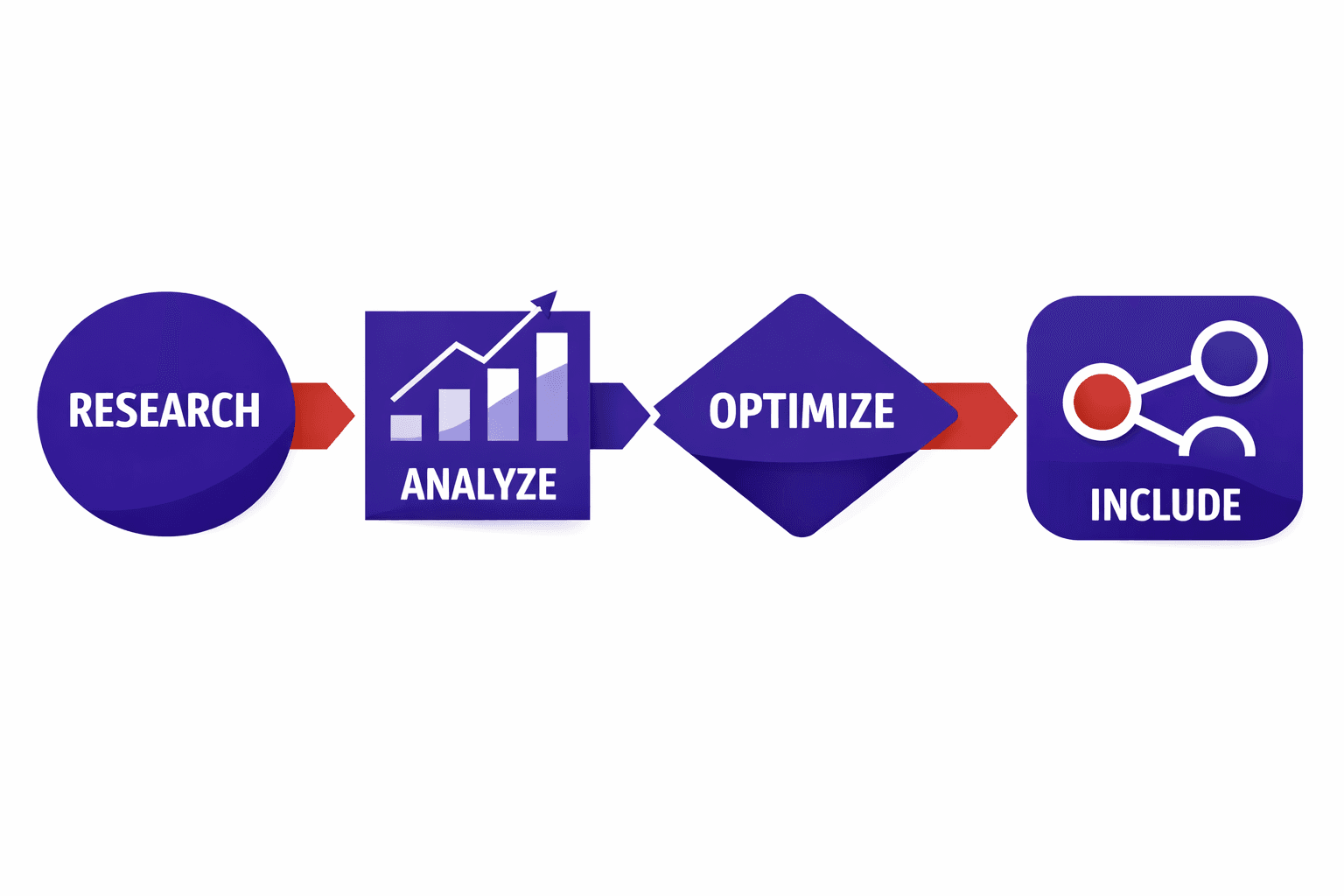
Here is the forecast we are building around. AI Overviews will expand into more commercial queries. Attribution will stay inconsistent. That means last-click reporting will undercount SEO’s impact. We plan for blended outcomes instead: fewer direct wins, more assisted influence, and higher brand recall from being the source an AI system repeats. If your team only optimizes for the click, you will lose to teams optimizing for the answer.
So we run a simple, repeatable operating cycle:
- Scan AI Overview coverage by query class.
- Research citation gaps and the sources Google trusts.
- Write extractable updates - tight definitions, steps, tables, and scoped claims.
- Publish fast, then measure inclusion and conversions together.
We also invest in a moat that survives SERP reshuffles. Build topic ownership. Make entities unmistakable. Keep names, authors, and “about” details consistent. Write content AI can safely quote without hedging or confusion. This is the work that compounds, even as the layout keeps changing.
Some leaders will argue this is just another SERP feature. That misses the point. In ai overviews seo, your job stops being “manage rankings.” Your job becomes answer supply chain management. Supply the clean inputs. Control the entities. Refresh the facts. Ship on a cadence. Build the system now, before AI answers become the default for your category.
If you are seeing stable impressions but declining returns, it is time to rebuild your workflow for inclusion. Ready to pressure-test your overview coverage and build the quarterly engine? Learn More and let’s discuss your goals.