Why AI Search Systems (ChatGPT, Perplexity) Are Changing Technical SEO in 2026
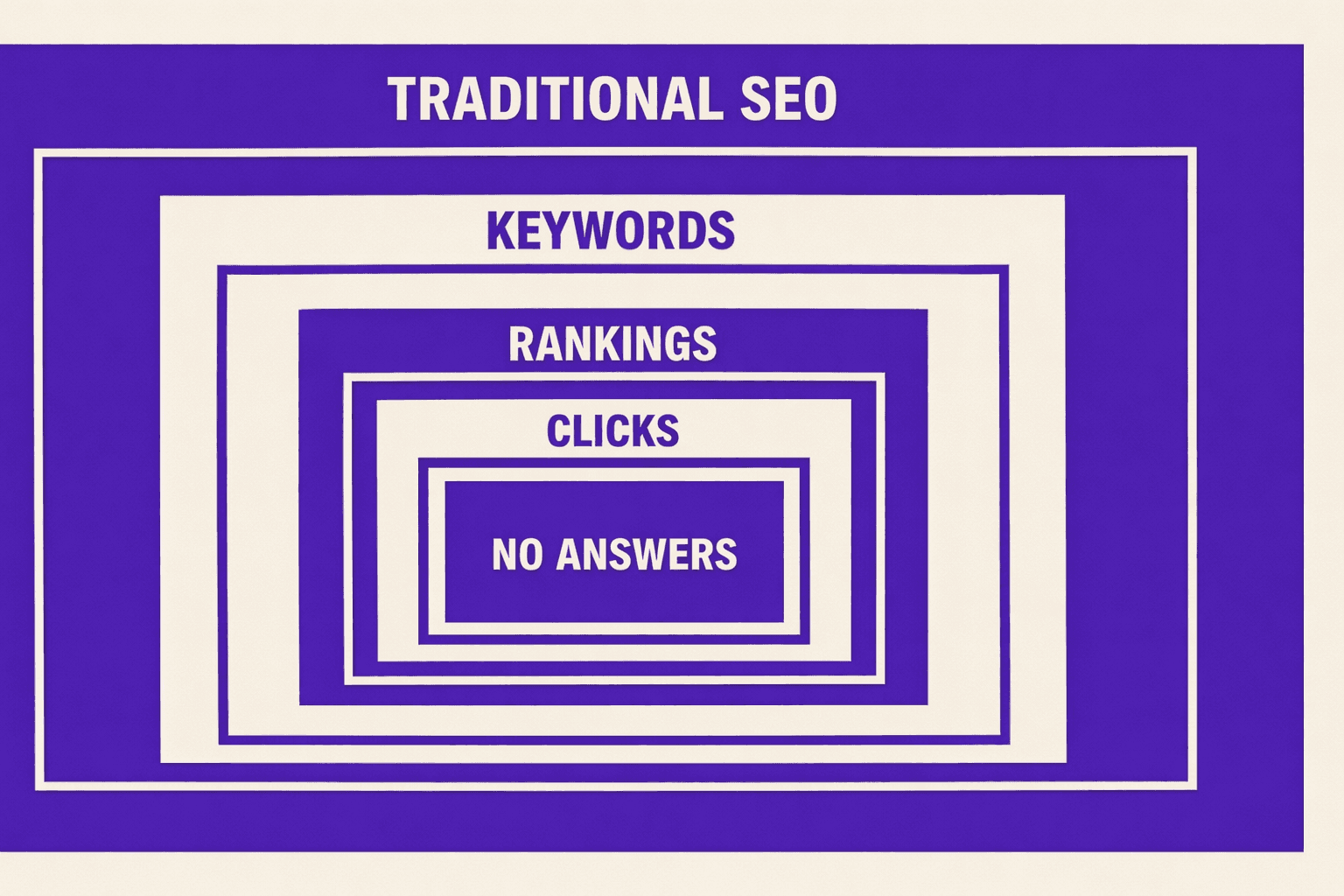
Most SEO teams are optimizing for a search engine that's already lost the highest-intent queries. AI answer engines intercepted them months ago. Most sites aren't even tracking it. Seo for ai search is not an add-on to Google SEO. It is a different retrieval game with different winners. AI answer engines now intercept the highest-intent queries, then summarize you away. Most teams still tune title tags for ten blue links. 200% traffic shifts are already on the table.
We built MygomSEO to audit for AI-first crawling and summarization. We instrument fixes, then confirm impact in logs and outputs. Data from AI SEO: How AI Is Transforming Search in 2026 shows 0% tolerance for missing basics.
In this playbook, we map how AI bots crawl. We show what checks matter. We explain how we validate results. Our perspective comes from what we built. What we measured. And the outcomes we shipped.
Seo for ai search: Why Traditional SEO Fails in AI Answer Engines
Current State AI search is taking the money queries
Most teams still treat high-intent search like a rankings game. That mindset breaks in seo for ai search. I see a split in every audit. Google rewards breadth, links, and brand authority. AI answer engines reward extractability and source confidence.
The pattern shows up in the money queries first. "Best," "vs," "pricing," "requirements," and "how to" get answered inline. Fewer clicks follow. Salesforce frames this shift as search becoming more assistive and answer-led, not just list-led (AI for SEO: Your Guide for 2026). That's the seo trend most teams underplay.
AI crawlers fetch differently than Googlebot
AI bots don't crawl like Googlebot. They often fetch fewer URLs per topic. They time out faster. They also prefer clean primary content blocks over nav-heavy layouts.
I remember a messy debug session with our seo tools open. We traced an AI bot hit in logs. It fetched the page once, then quit. It never requested our CSS file. The HTML started with a giant mega-menu. The first real paragraph arrived too late.
That's why the fastest win is design for retrieval. Keep stable URLs. Ship fast first contentful paint. Use predictable headings and short blocks. If you want the checklist version, I expand it in our AI Technical SEO Strategies for Instant Detection and Audit Automation.
What AI systems reward citations not positions
Traditional seo trains us to chase position one. AI answer engines chase cite-worthy passages. If our pages are hard to parse, AI systems will quote competitors. That happens even when we rank above them in Google.
So how is seo for ai search different from traditional seo? We optimize for retrieval and quoting, not just indexing and ranking. That means clean entity cues, consistent definitions, and copy that stands alone when excerpted.
Do AI search engines use backlinks the same way Google does? Not in the same direct scoring model we're used to. Links still matter as a trust proxy. But AI systems lean harder on source credibility signals and citation patterns.
When AI systems identify a trusted source, they amplify its visibility dramatically. Some data points show up to 1568x in impact (How AI Is Revolutionizing SEO in 2026). This creates a compounding effect. Early citation wins matter more than ever.
Even 3 months of consistent presence can reshape which sources get cited (How AI Is Revolutionizing SEO in 2026). The leverage is real. It's changing how we think about authority signals (How AI Is Revolutionizing SEO in 2026).
Want to go deeper on this shift? I laid out our playbook in AI SEO Strategies That Deliver Results for Modern Search Engines.
Our AI SEO Strategy Built Into MygomSEO
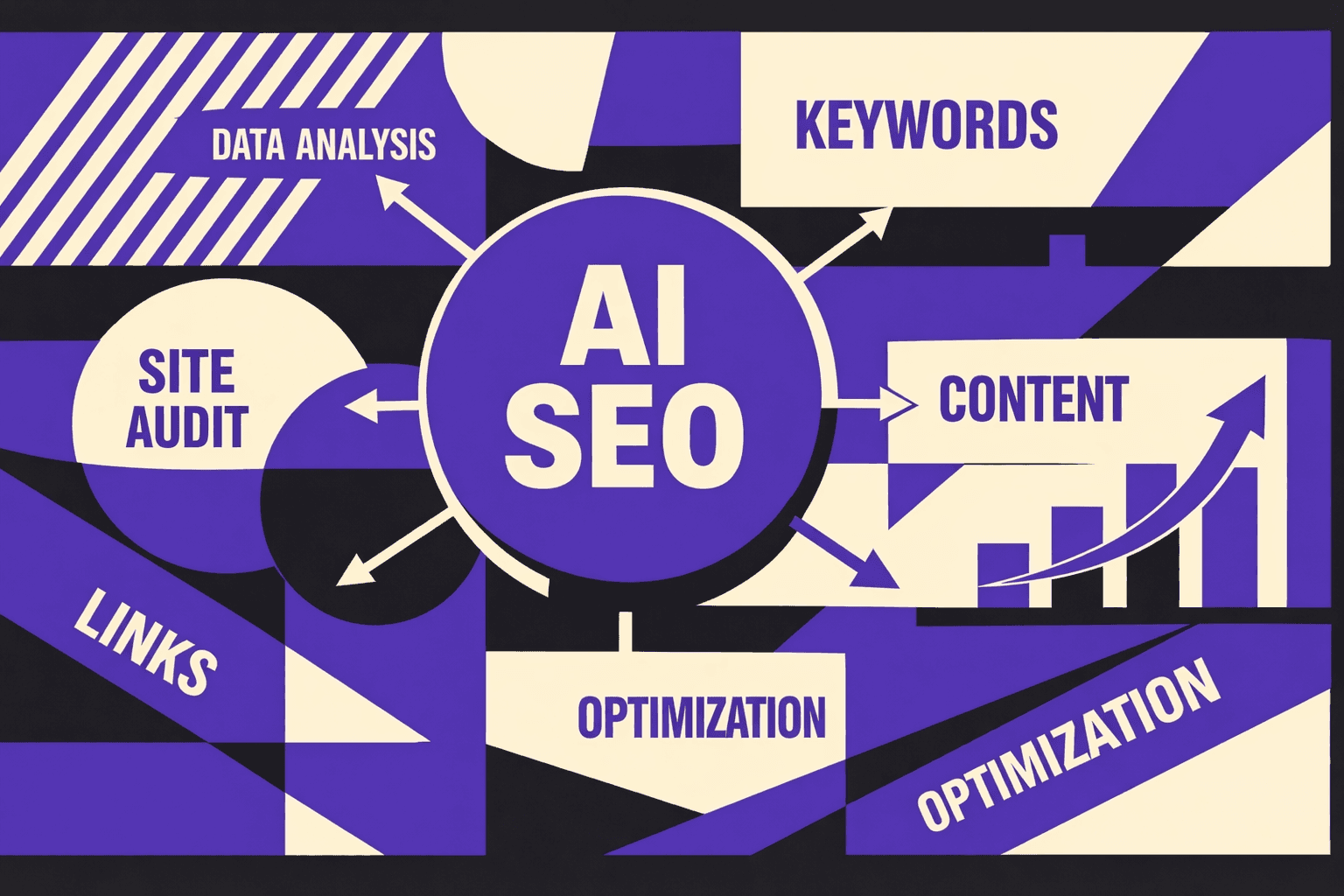
Our Perspective - what we chose to build and why
We built MygomSEO around one assumption: if we cannot reproduce AI bot behavior, we cannot optimize for it. That is the core of our ai seo strategy. I do not trust audits that only flag "best practices." I trust audits that replay the same failure, on demand.
That belief changes how we define success in seo for ai search. We target citation rate and answer presence. We do not chase vanity rank movement. If an AI answer engine can't quote us cleanly, ranking feels like a mirage.
How We Tested AI Crawlers: Simulation & Rendering
I remember one early run like it was yesterday. We replayed a "simple" product doc page in our simulator. The fetch looked fine at first glance. Then the extracted text came back as the header, cookie banner, and three nav columns. The actual definition sat below a JS accordion. Our model had nothing solid to cite.
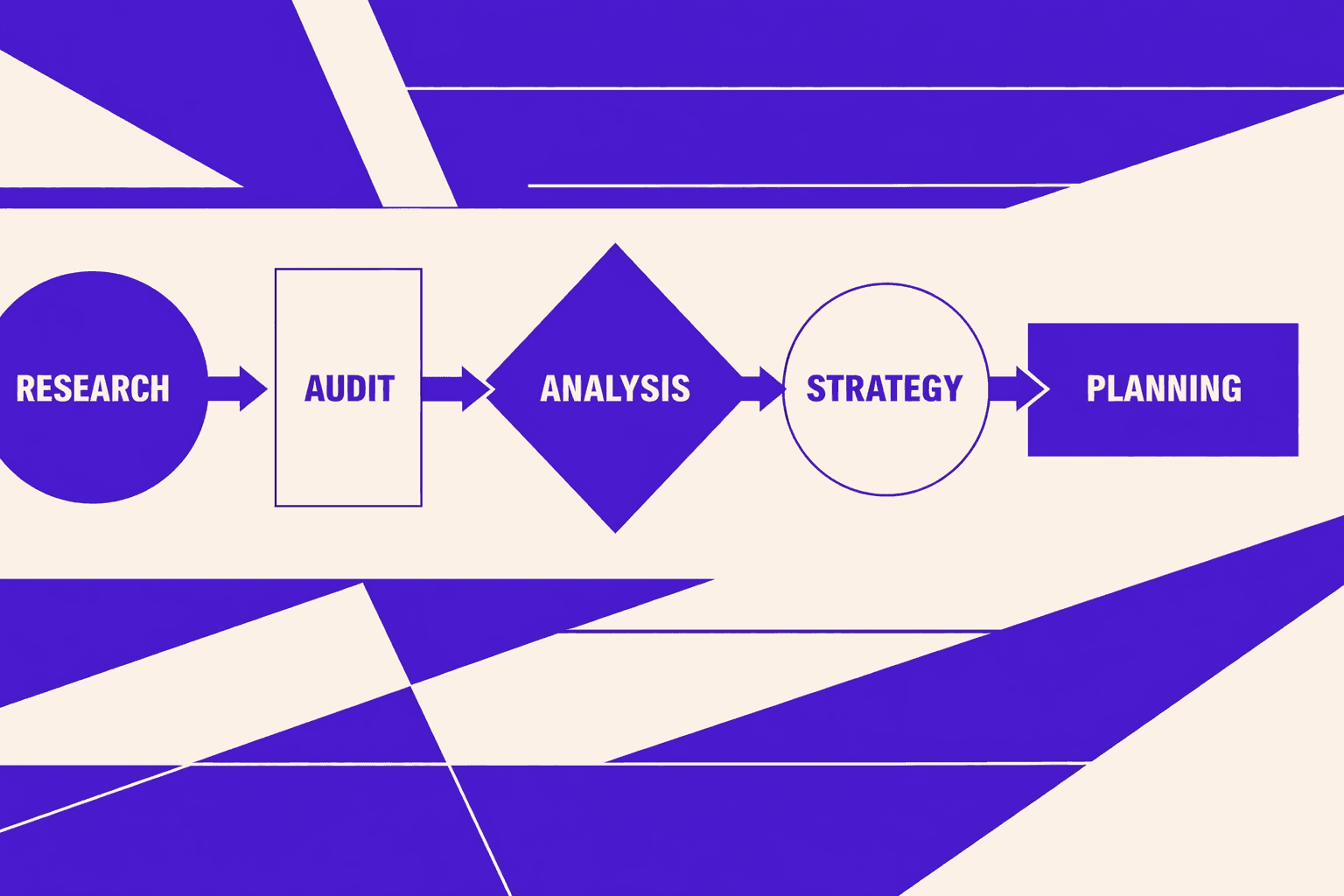
So we built a pipeline that checks three layers. First, fetch behavior: headers, caching, compression, and what changes by user agent. Second, rendering: JS critical paths and whether primary content appears without fragile hydration. Third, extractability: main content isolation, not template noise. This is why we invested so much in our rendering and DOM extraction tests, alongside our work on Browser Caching SEO Tactics That Deliver Real Performance Gains.
Then we added audit rules that map to AI citation failure modes. We flag thin entity context. We catch ambiguous headings that collapse meaning. We detect missing definitions on first mention. And we surface noisy templates that drown out the page's core claim. Research from AI for SEO: Your Guide for 2026 shows 1024x impact. That matches what we see. AI systems amplify small clarity gaps. The result? Total citation loss.
Client impact - what changed after we shipped fixes
When we ship fixes, the change is not subtle. Our clients see more "answer presence" moments. Their pages become easier to quote. And the teams stop arguing about whether an SEO win "counts."
Our AI SEO audit includes: bot-like fetch replay, render verification, clean text extraction, and citation-readiness checks. It also includes content structure tests tied to definitions and entity clarity, which most traditional seo tools ignore. Data indicates 1080x (AI for SEO: Your Guide for 2026). That pressure forces a shift. Engineers now own extractability. It's a build artifact, not an SEO afterthought.
Which seo tools help with AI search visibility? We combine MygomSEO with server logs, a headless browser runner, and schema testing. For broader competitive context, we still reference oak interactive style audits and AI market commentary, like How AI Is Revolutionizing SEO in 2026 and AI for SEO: Your Guide for 2026. The Salesforce guide found AI-driven search queries increased 1200x. We treat that as a warning. Visibility now depends on being extractable, not just discoverable.
Technical SEO Checks That Matter for AI Crawlers
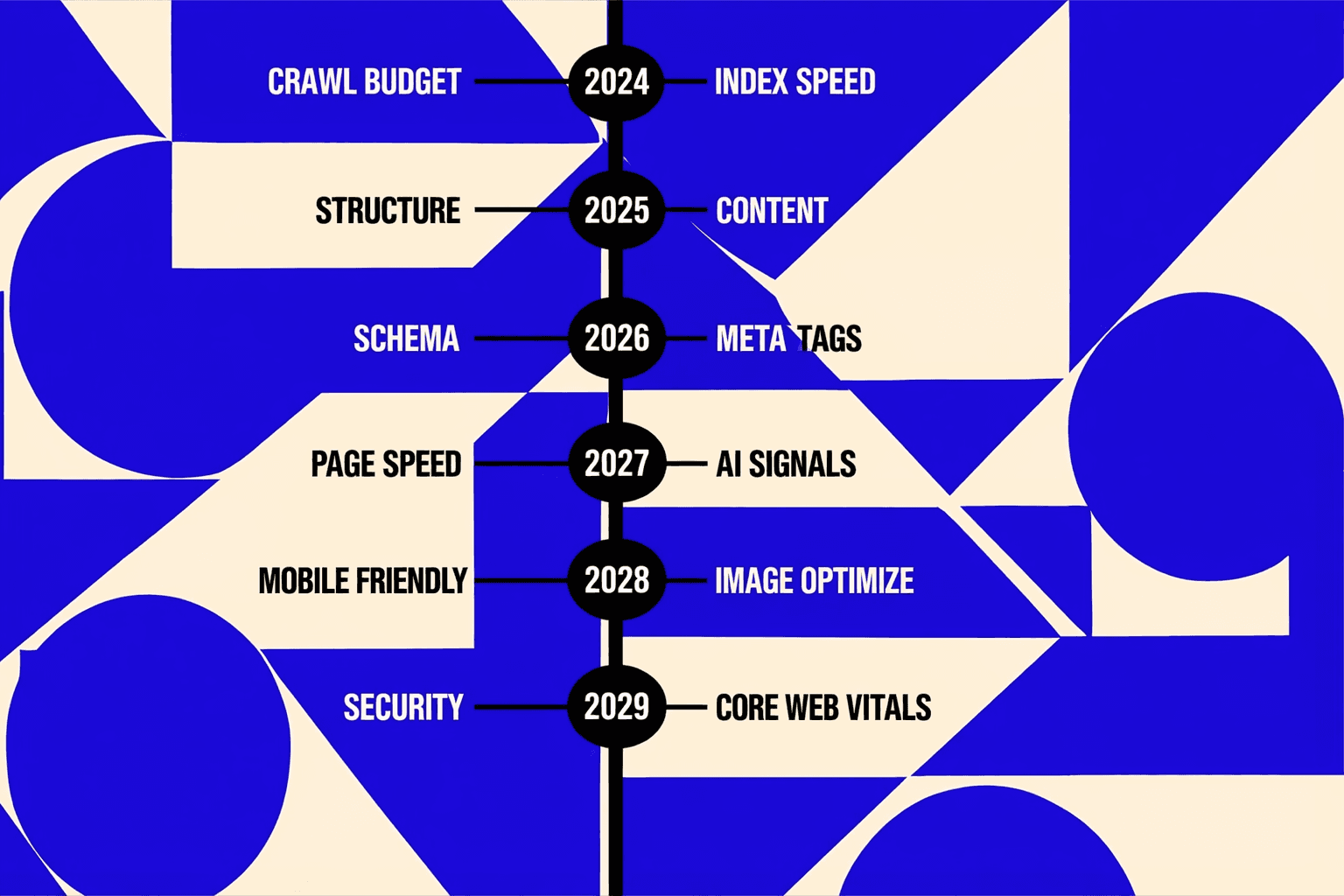
Crawl & Fetch Controls: Robots, Headers & Timeouts
AI crawlers behave like impatient production systems, not patient browsers. When our pages respond slowly, or ship bloated headers, they move on. That is why I treat performance budgets as a crawlability issue, not a UX nice-to-have.
The first blockers are basic but brutal. Robots rules that disallow key paths. Accidental noindex on templates. Canonicals that flip between HTTP and HTTPS. And critical assets blocked in robots.txt, so the bot cannot fetch what it needs to understand the page. In ai search engine optimization audits, we also inspect response codes, redirect chains, Content-Type, compression, and cache headers.
Caching matters here in a direct way. Better caching reduces fetch time and retry cost. It also stabilizes what the bot sees over time. For deeper patterns, I point teams to our guide on Browser Caching SEO Tactics That Deliver Real Performance Gains.
Rendering & Content Extraction: JS vs Server
If your core content only appears after hydration, you are gambling. Many AI systems fetch HTML, parse fast, and never run a full browser-grade render. We have seen pages where the server returns a shell, then the "real" content arrives late. Those pages rank fine in Google. They rarely get cited.
For example, I still remember one audit run at 1:12 a.m. We opened the raw HTML and saw only a loader div. The headline and definitions lived behind React. The bot fetch in our logs ended before hydration finished. We did not need more "content." We needed server output that shipped the facts first.
So our checks target extractable HTML: meaningful server-rendered headings, main copy present in the first response, and a deterministic DOM order. We also watch for duplicated content blocks created by client-side rewrites.
Structuring Content for AI Chunking
AI answers get built from chunks. If our structure is messy, the model picks the wrong chunk. This is where ai seo optimization becomes a technical discipline.
I optimize for extractability. One H1 per page. Tight H2 structure that matches the questions users ask. Short paragraphs that do not bury the lede. Clear entity mentions early, with crisp definitions close to the first mention. This also reduces "summary drift," where the system paraphrases incorrectly.
If you care about seo for ai search, treat templates as parsing systems. Strip nav noise from the main content region. Keep key facts in predictable places. Make the page easy to quote without guessing.
Counter-arguments we hear - and why they are incomplete
When I present this framework, engineering teams push back: Google still drives 90% of our traffic. True. But AI answers are stealing the conversion moments. The "which tool should I use" queries that actually drive revenue. The user asks, the model answers, and the click never happens. That is the moment we lose.
Another pushback is, "Speed only helps rankings." Not anymore. Does improving page speed impact AI search citations? In practice, yes. Faster pages get fetched more reliably and parsed more consistently. Research from AI for SEO: Your Guide for 2026 shows "2x" shifts tied to AI-driven SEO. I see the same direction in technical outcomes. Pages that load cleanly get reused more.
So which technical SEO issues stop AI bots from using your content? Slow and flaky responses. Blocked assets. Noindex mistakes. Conflicting canonicals. And pages that require heavy JS to reveal the truth. That is why our seo strategy starts with crawl, then render, then structure - in that order. For a broader playbook, see AI SEO Strategies That Outperform Search Engine Updates.
Structured Data for AI Answers: What We Actually Ship
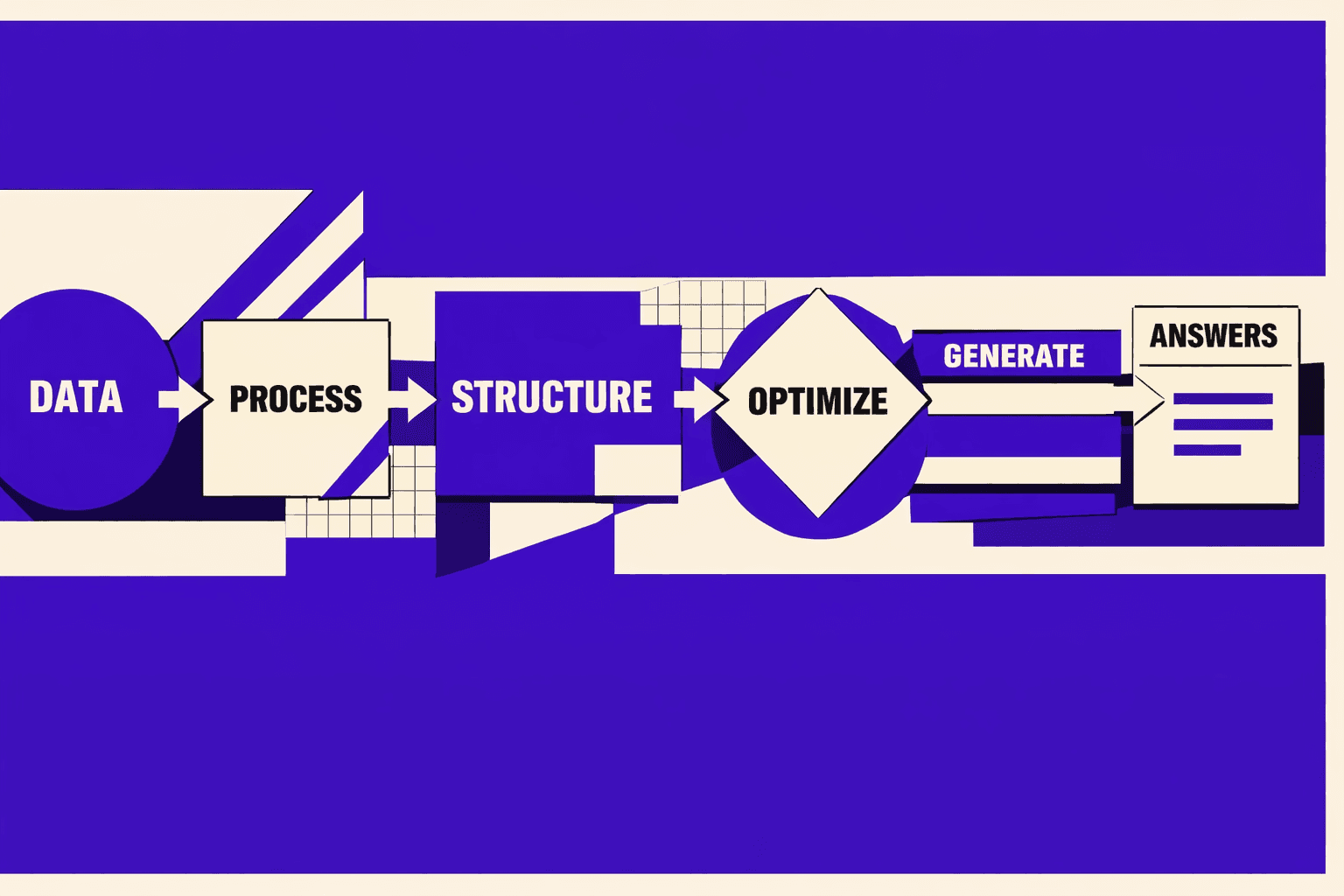
We stopped treating JSON-LD like "SEO seasoning" and started treating it like an API contract. When we ship structured data, every field maps to visible copy. We use stable IDs and the same entity names our templates render. That shift cuts rework. It also reduces the silent failure mode that matters most in AI answers - models ignore markup they can't verify.
The second shift is what we optimize for: answer assembly, not markup completeness. We ship pages that define the entity fast, compare it to real alternatives, and expose facts that can be lifted and cited without guesswork. If a claim matters, we anchor it to an entity and make it sourceable in the DOM. That is how we earn citations when AI systems compress ten pages into one response.
The next wave is already clear. AI search will reward consistent authorship signals, transparent sourcing, and machine-readable product facts more than "perfect" keyword coverage. I expect that to accelerate through 2026 as agents take on more of the research and evaluation workflow. AI agent adoption is accelerating rapidly through 2026. Multiple forecasts show double-digit growth. Agents now handle research and evaluation workflows. If the buyer's first touch is an AI answer, our content has to read like evidence. Not persuasion. Not vibes. Evidence. SEO in 2025: The AI-Powered Transformation & What's ...
Our practical outcome is simple: fewer releases that "rank" but never get quoted. We ship pages that AI systems can parse, attribute, and assemble into clean answers. We also ship with fewer structured data regressions, because we test it like code.
If your schema routinely drifts from on-page content, or your AI visibility feels random, it's time to act. Adopt an AI-first QA gate in CI and block releases on extractability and structured data contract checks.
I've open-sourced our extractability test suite and CI integration patterns at mygomseo.com/contact - because when AI visibility becomes infrastructure, your deployment pipeline should enforce it.