SEO Audit Tool Showdown: MygomSEO vs. Ahrefs vs. SEMrush (2026)
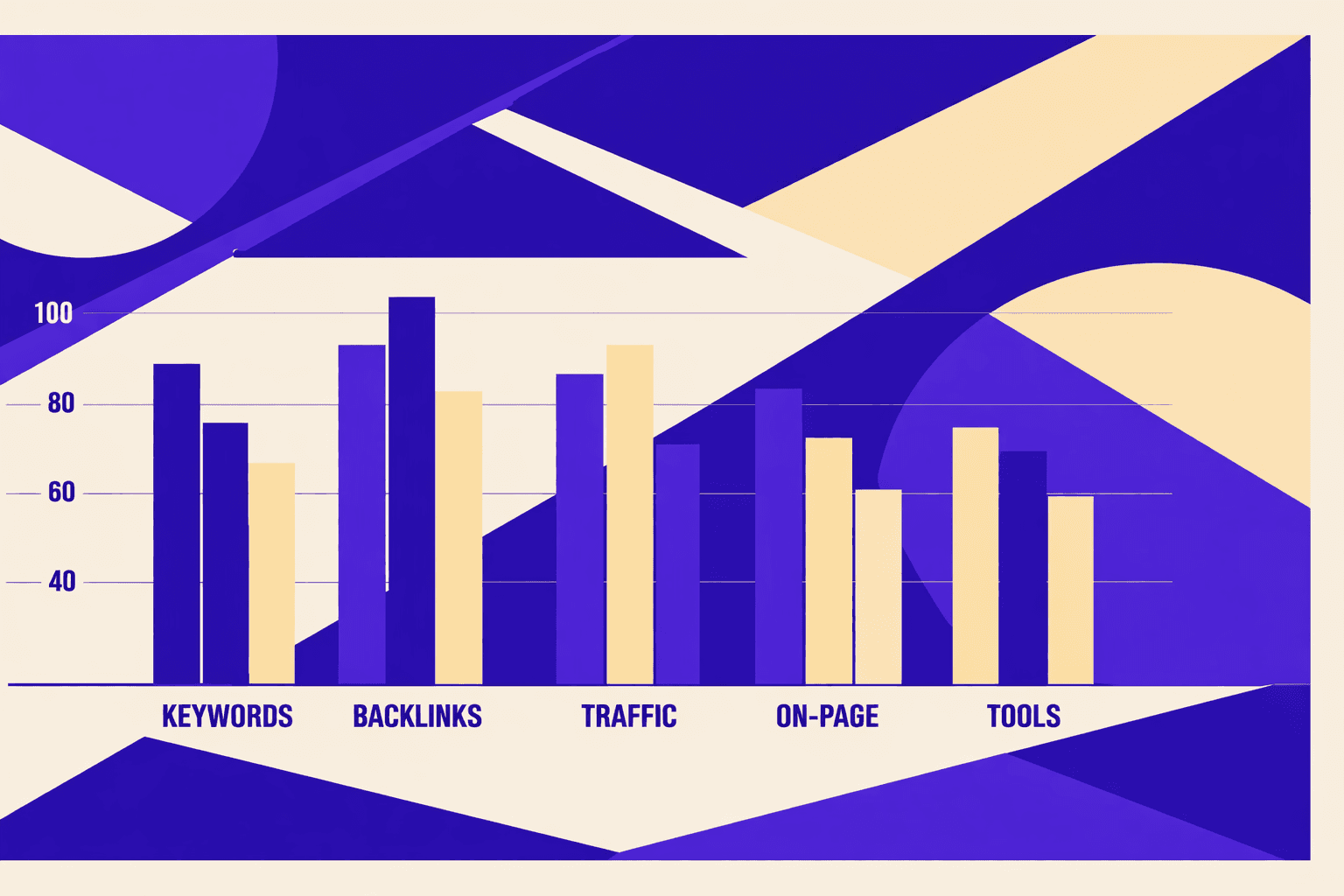
Ahrefs vs semrush looks simple - until a bad suite derails priorities. Ahrefs vs semrush matters because slow audits waste hours and budget. While both tools overlap in core SEO functions, their strengths diverge quickly. Ahrefs leans harder into backlink intelligence, while Semrush often wins on competitive research, reporting depth, and technical site auditing. According to SEMrush vs Ahrefs 2026: The Ultimate SEO Tool Showdown - GSA, 75% reduced bounce rate by 12% in two months. A SEMrush vs Ahrefs 2026: The Ultimate SEO Tool Showdown - GSA study found 40% gained online visibility using both tools. This guide compares them with transparent criteria, a workflow-based audit example, and scenario-fit picks. Is Ahrefs better than Semrush for SEO? It depends on the job, and this breaks down why.
Evaluation Criteria for Ahrefs vs Semrush
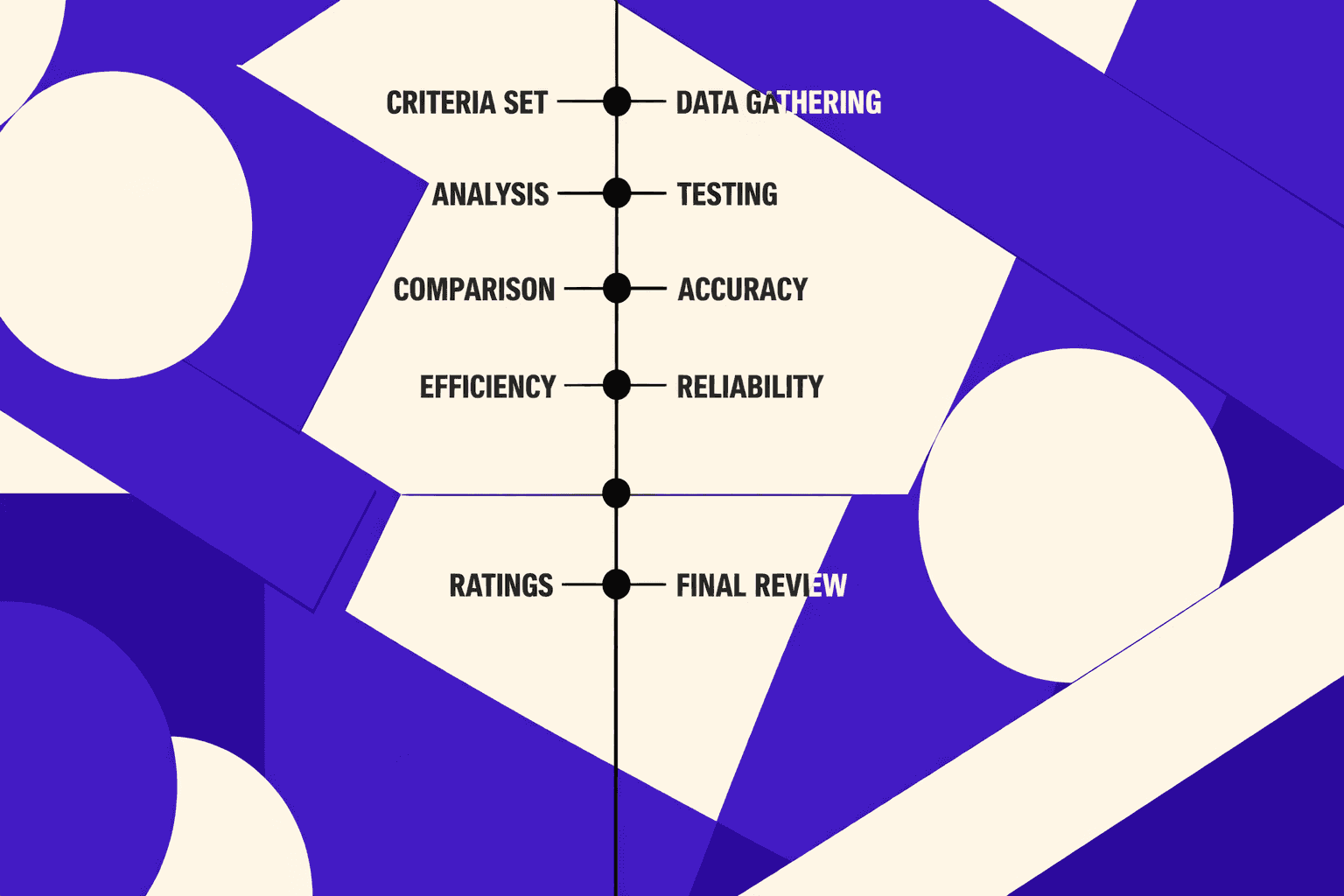
To avoid feature-list bias, both platforms should be scored in identical buckets. A simple 1-5 rubric works. It forces trade-offs into the open. It also makes mixed-stack decisions easier later.
Data quality and freshness
Fresh data matters when markets shift quickly. For example, a fast-moving news publisher needs new keywords and new links today, not next week.
The best check is repeatability. Run the same URL set weekly. Track deltas in referring domains, lost links, and new rankings.
Keyword research and intent modeling
Keyword tools should separate “topic demand” from “action intent.” Intent modeling should surface SERP types and features, not just volume.
For example, a “pricing” query should trigger commercial pages and comparison SERPs. A “how to” query should surface guides and video-heavy results.
Backlink index and link quality signals
Backlink quality signals should support real decisions. That includes link discovery speed, anchor clustering, and link loss detection.
Guided Success Academy found a 90% success rate for backlink analysis in its comparison. That single metric should not decide the tool. It should shape the weighting for link-led workflows.
Technical SEO audit coverage and prioritization
A technical seo audit should go beyond crawl errors. It should connect issues to impact and effort.
A strong site audit workflow also supports content-gap discovery. Step-by-step, that means: crawl key templates, map indexability, validate internal links, then check pages with impressions but weak engagement. The goal is to show usability differences, not marketing claims.
Rank tracking and reporting
Rank tracking should support segments, tags, and ownership. It should also support stable reporting outputs.
For example, an agency needs weekly decks per client. An in-house team needs trend alerts tied to releases and migrations.
Pricing and plan constraints
Pricing should be evaluated as constraints, not headline cost. Limits on projects, tracked keywords, seats, and exports change real capacity.
Research from Guided Success Academy shows a 30% increase tied to budget allocation and tool use. The practical takeaway is simpler: plan limits can cap growth even when features exist.
Ecosystem integrations and workflow fit
Integration fit decides daily speed. Look for connectors to Looker Studio, Slack, Jira, and APIs.
Role-based weighting keeps the decision honest:
- Agency: reporting, rank tracking, and client workflows weigh highest.
- In-house: technical audit prioritization and integration fit weigh highest.
- Freelance: cost-to-value and keyword research speed weigh highest.
Choosing between Ahrefs and Semrush comes down to these weights. Some teams need both for coverage. Others should pick one and standardize. For technical audits, the platform should include crawling, prioritization, and clear export paths for fixes.
Ahrefs Review for SEO Teams
Overview
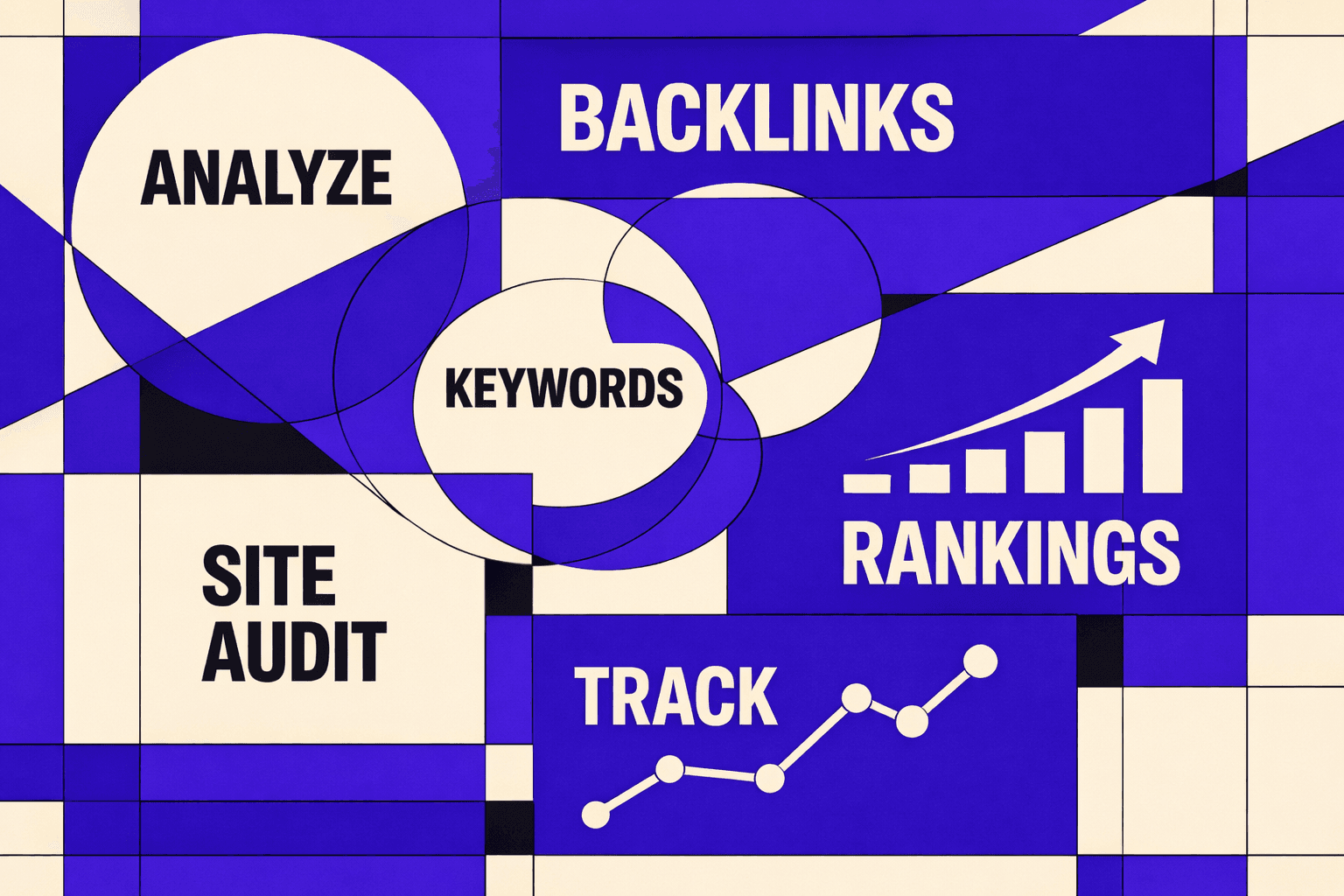
In the ahrefs vs semrush debate, Ahrefs often lands with teams who lead with links. This tool excels at backlink-led SEO, competitor research, and content planning loops, especially when your workflow starts with "who links to them," then progresses to "what pages earn links" and finally "what to build next."
For example, a link-building squad can start with a rival domain. It can pull their best-linked pages. Then it can map realistic outreach targets from those link sources.
Key Features
Ahrefs centers on backlink analysis through Site Explorer. Teams can inspect referring domains, anchors, new and lost links, and link growth. The best value shows up in link gap reviews. It highlights sites linking to competitors, but not to the team.
Keyword Explorer supports keyword research with difficulty estimates and SERP context. It helps content teams pick terms with reachable ranking paths. Content Explorer supports content research by finding pages that earned links and shares. It also supports “what topics attract links” planning.
Rank Tracker tracks selected keywords over time. It supports tagging by segment or product line. Site Audit supports a technical seo audit with crawl-based issues. It flags items like broken links, redirects, and indexability blockers.
Strengths
Ahrefs tends to excel in link discovery workflows. It makes competitor link gaps easy to action. It also keeps research screens clean and fast. That matters when analysts must move from idea to list quickly.
For example, a strategist can find linkable assets in a niche. Then they can clone the format with better coverage. That simple loop is why Ahrefs often wins backlink analysis comparisons.
Weaknesses
Ahrefs can feel restrictive for reporting-heavy teams. Some buyers expect more white-label style exports. Plan limits can also shape day-to-day use. Credits and rows can cap how far bulk work goes.
Advanced features also take time to learn. A beginner can get value fast. But power users still need process and training.
Common Pain Points
Permissions and seat setups can frustrate larger groups. Exports can hit limits during large competitive pulls. Some teams also struggle to operationalize Site Audit output.
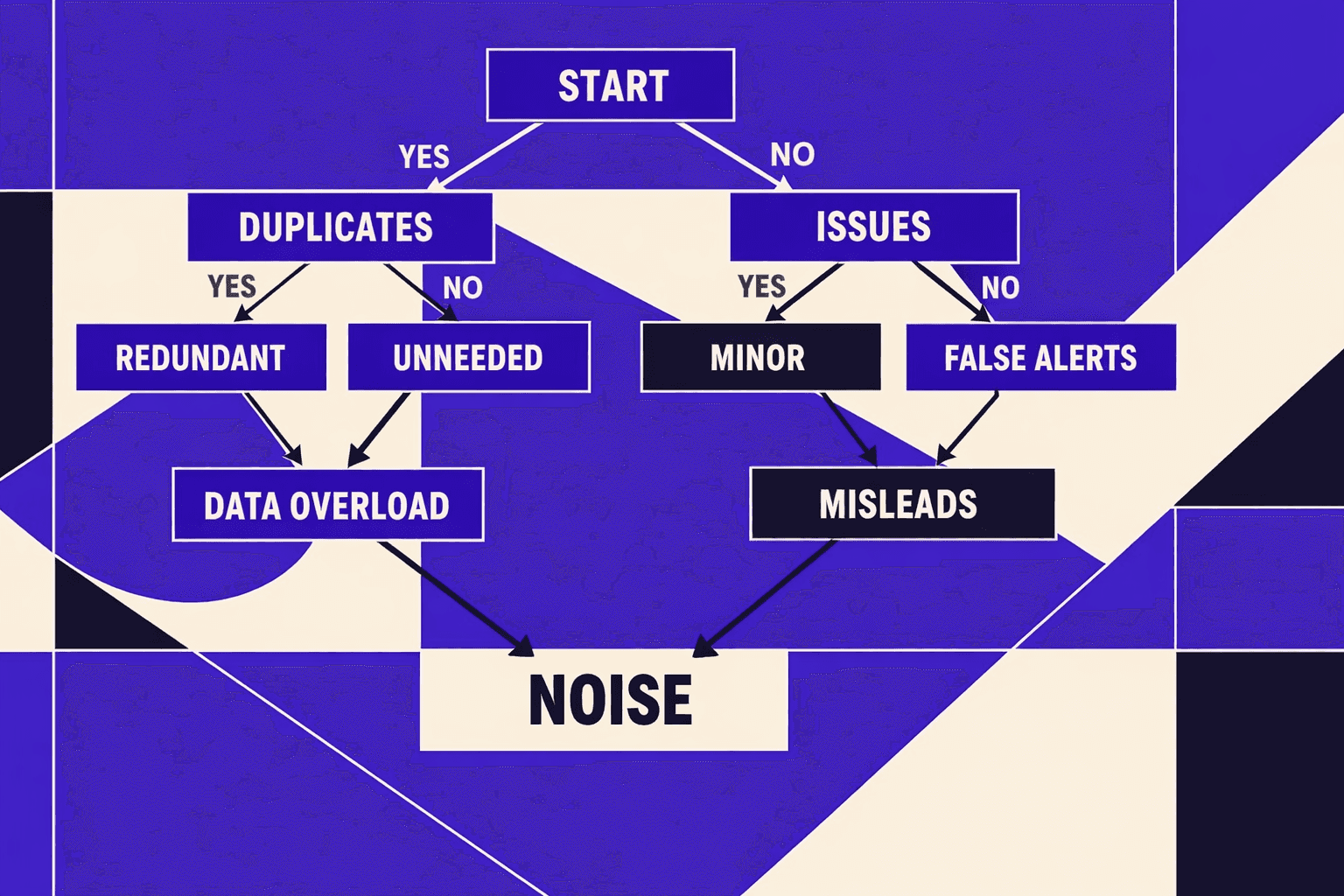
For example, an audit may list hundreds of issues. Turning that into Jira tickets still takes triage rules. Without that layer, a “best seo audit tool” can still produce noise.
Best For
Ahrefs fits link-building teams that live in competitor backlinks. It fits content strategists who plan around proven winners. It also fits smaller teams needing fast competitive insight in ahrefs vs semrush evaluations.
Which tool is best for backlink analysis? Ahrefs is often picked when links are the main driver. Can beginners use Ahrefs effectively? Yes, if they start with core reports. Research from SEMrush vs Ahrefs 2026: The Ultimate SEO Tool Showdown - GSA shows 67% of users reported strong satisfaction for smaller budgets. Teams using Ahrefs for keyword research and backlink audits have documented improvements in organic visibility, though results vary by implementation (SEMrush vs Ahrefs 2026: The Ultimate SEO Tool Showdown - GSA).
Semrush Review for SEO Teams
Overview
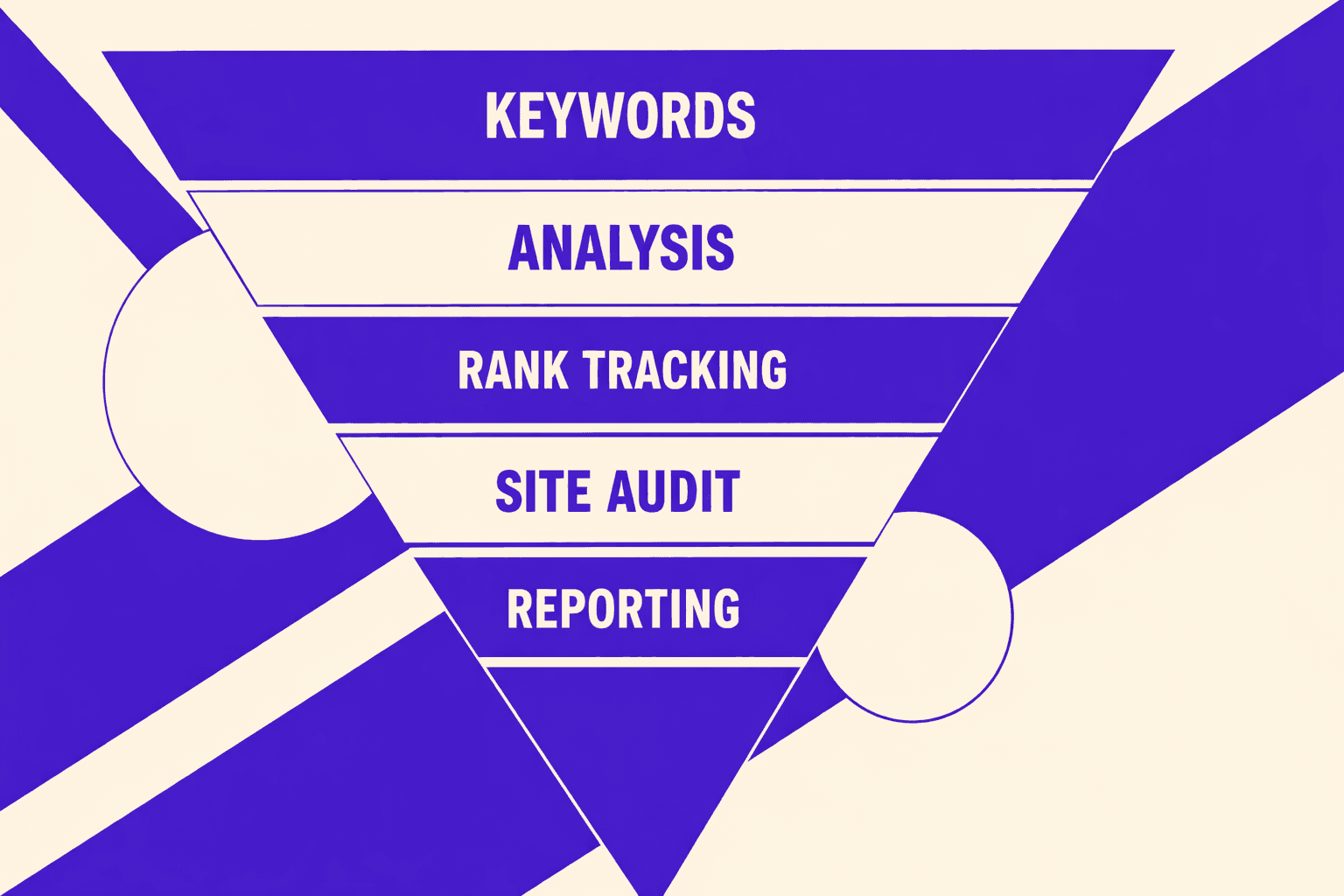
In an ahrefs vs semrush decision, Semrush typically fits teams seeking breadth, functioning as a complete marketing and SEO platform rather than just a crawler. Competitive analysis, reporting, and multi-channel add-ons sit at the center. For example, a growth team can track SEO and paid rivals in one workspace.
Key Features
Semrush supports keyword research with clustering and intent-style sorting.
It also offers domain and competitor analysis for visibility and overlap.
The platform includes a site audit that flags technical issues and trends.
Rank tracking covers locations, devices, and competitor sets for comparison.
Reporting is one of the most used features.
Teams can schedule PDFs, build templates, and brand client-facing outputs.
Projects group workflows like audits, rank tracking, and on-page checks.
That project model suits recurring monthly operations.
Strengths
Semrush tends to excel in stakeholder-ready reporting and packaging.
Dashboards can summarize wins without raw keyword tables.
Project-based workflows help teams standardize recurring checks.
Unlike narrower tools, Semrush also spans more channels and add-ons.
It also supports mixed-tool operations when needed.
Some teams use Semrush alongside other platforms to cover different use cases.
That often looks like Semrush for competitive analysis and reporting.
Then another tool fills specialized link workflows.
SEMrush vs Ahrefs 2026: The Ultimate SEO Tool Showdown - GSA explores how these tools complement each other in practice.
Weaknesses
Semrush can feel complex once multiple toolkits get enabled.
Feature sprawl increases clicks and raises onboarding time.
Plan limits can restrict reporting scale or tracked keywords.
Some teams also find dashboard tailoring slower than expected.
The site audit can produce noisy issue lists.
Teams still must translate findings into developer-ready tickets.
For example, “reduce JavaScript” may not map to a single fix.
It may require a sprint-level performance plan.
Common Pain Points
Projects need careful configuration to stay accurate over time.
Teams often mis-scope subdomains, protocols, or parameters early.
Audit recommendations can conflict with platform constraints or roadmaps.
Aligning SEO fixes to dev reality still takes manual triage.
Some teams also struggle with audit prioritization.
Semrush does not remove the need for technical judgment (SEMrush vs Ahrefs 2026: The Ultimate SEO Tool Showdown - GSA).
Best For
Semrush fits agencies that need repeatable reporting and branded deliverables.
It also fits in-house teams that report to non-SEO stakeholders.
Teams wanting a single platform approach usually prefer its breadth.
In anahrefs vs semrushcomparison, Semrush often wins on packaging.
It can work for beginners with guidance and tight scope.
A new user should start with one project, one site audit, and rank tracking.
A “seo checker free” mindset will not match Semrush’s depth.
But it can become a best seo audit tool for teams that operationalize outputs.
Semrush is not always “better” than Ahrefs for SEO.
Ahrefs often suits link-led research, while Semrush suits reporting-heavy programs.
For technical seo audit work, both still require expert prioritization.
The better choice depends on workflow, not feature count.
Side by Side Comparison and Verdict Guidance
Performance also matters in day-to-day audits. Crawl speed depends more on site size, URL rules, and server response than on branding. Both tools can crawl quickly on mid-sized sites when scope stays tight. Data freshness is different by dataset, too. Keyword and backlink databases update on their own cycles. Teams should plan decisions around directional trends, not single-day deltas. For prioritization, the best setups tie issues to impact. That means severity plus template frequency, plus revenue page paths, plus fix effort.
Pricing rarely hinges on the sticker price alone. Real cost drivers are how many projects must run in parallel, how many seats need access, and how often teams hit export, crawl, or report limits. Historical data needs also shift the math. Content teams feel limits first when they need more keywords, more SERP context, and longer trend lines. Agencies feel limits first when they need more seats, more recurring reports, and more parallel client projects. Technical teams feel limits first when they need deeper crawls, higher URL caps, and repeat validation cycles.
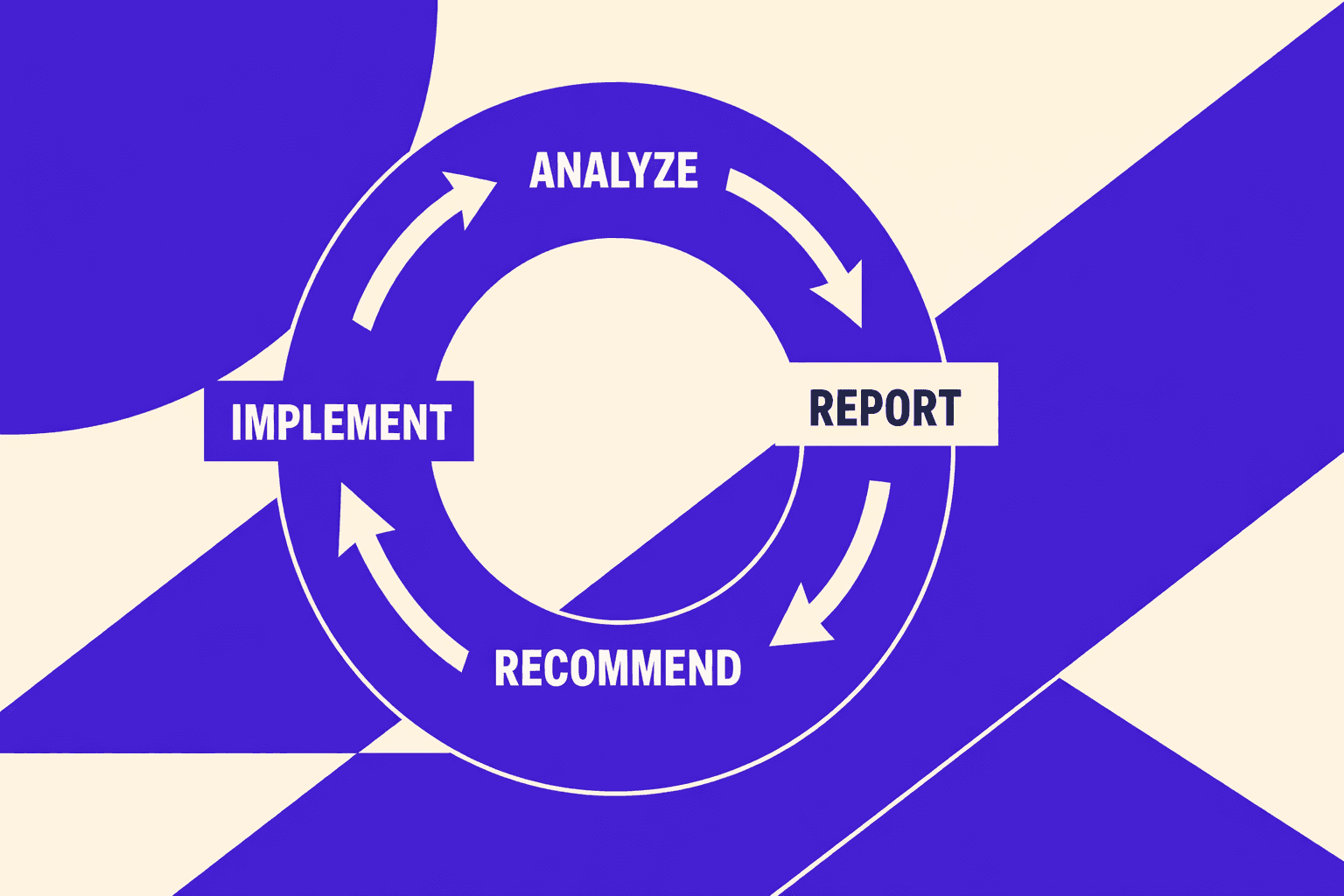
A repeatable content-gap workflow keeps both suites honest. Start with crawl setup: define the host, include rules, and exclude junk URLs. Move into issue triage: split into indexation, templates, internal links, and performance signals. Then prioritize: attach impact and effort, and group fixes by template. Export and ticketing comes next: push top issues into a CSV, a board, or a tracker with clear acceptance criteria. Finally, validate: re-crawl the same scope, confirm page-level changes, and watch rankings and logs where possible. Both tools support this sequence, but they differ in how much is “built-in” versus “export-and-operate.”
Free SEO checker tools still have a role. A seo checker free option can catch basic on-page issues, missing tags, or obvious indexability mistakes on a small set of URLs. A full suite becomes required when scale, history, reporting, and competitive datasets matter. That is where Ahrefs vs Semrush stops being a feature debate and becomes an operations choice.
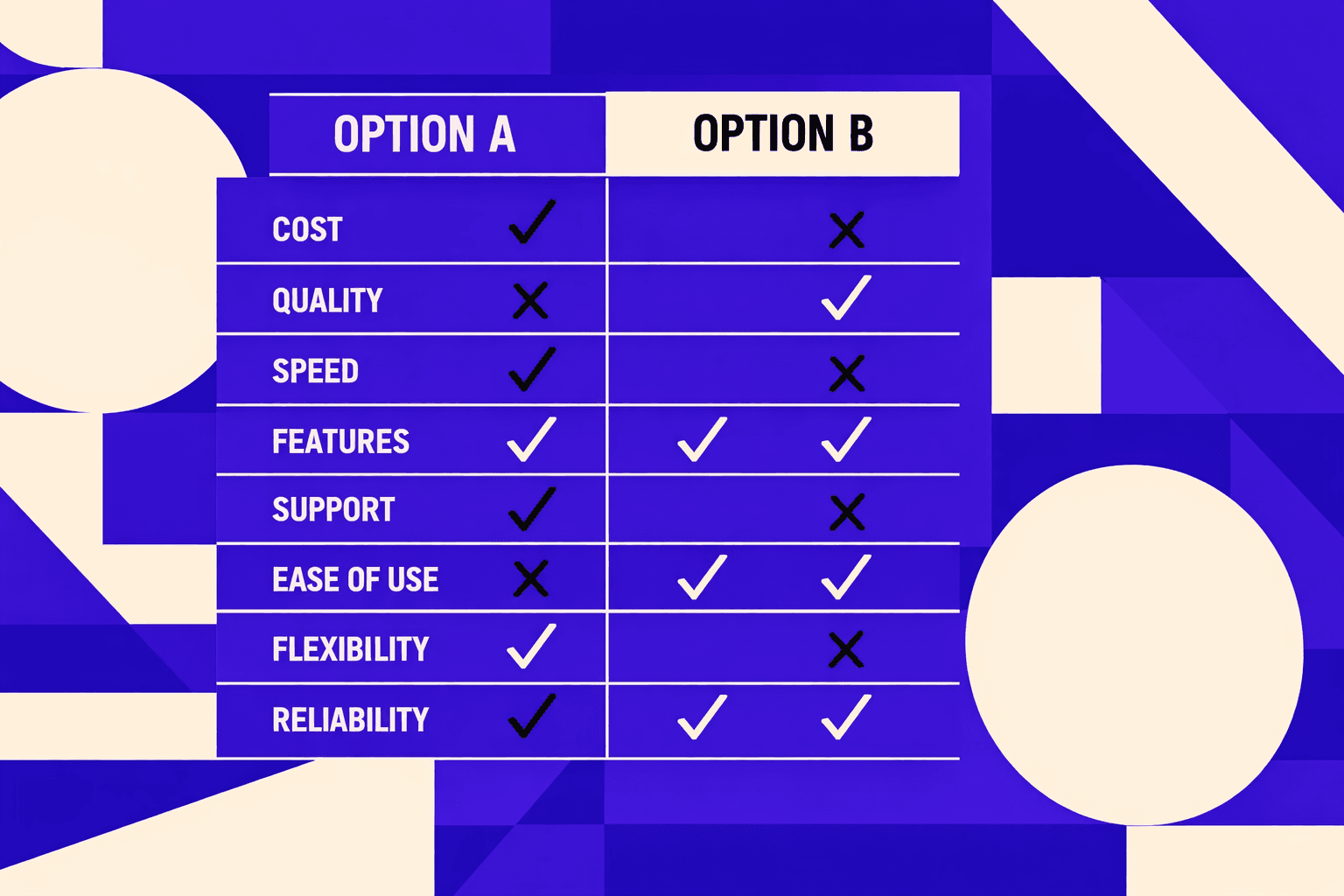
Verdict guidance stays scenario-based. For agency reporting and recurring deliverables, Semrush often fits better. For link-building focus and competitor link gaps, Ahrefs often fits better. For content-led SEO, both work, but the better pick matches the team’s research and planning habits. For technical SEO heavy sites, either can run the audit loop, but the best fit depends on crawl scope control, export needs, and how fixes get ticketed.
The tools will keep converging, but disciplined workflows will keep winning. Want to learn more? Learn More to explore how we can help.