What Is an MCP Server and Why SEO Teams Should Care
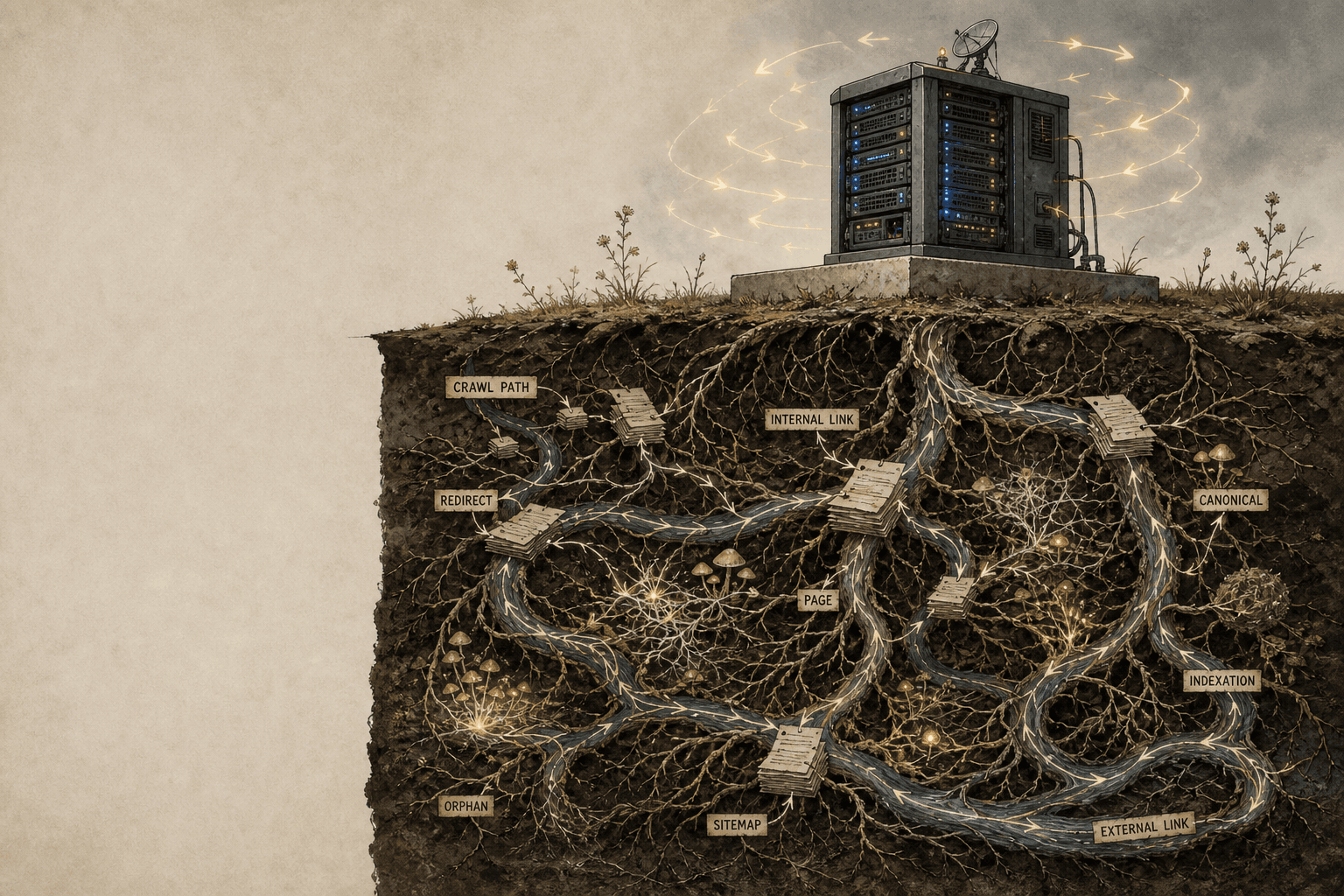
MCP server is fast becoming the control layer modern SEO teams cannot ignore. Most marketers still run AI through disconnected prompts, scattered tools, and thin context, and that setup breaks fast. According to What is MCP SEO? And Why Should Marketers Care?, connected AI workflows can dramatically improve execution speed and reduce context-switching overhead. That gap matters when content can lose up to 50% of its performance within 12-18 months without updates - a well-documented pattern in SEO content decay, as MCP Servers for SEO: Run Full SEO+GEO Workflows via AI Agent | Frase.io notes. We built practical MCP server workflows after implementing MCP-based automation across 30+ client teams - and learning the hard way which approaches fail in production. This is for in-house teams and founders who need output, not AI theater. In this section, we will show why disconnected SEO automation fails, and how we use structured context to turn AI into a system that actually ships.
Why MCP Server Hype Misses the Real SEO Problem
Current State of AI SEO Automation
The market talks about agents like they are magic. We think that framing is backwards. Most AI SEO automation still runs on weak briefs, scattered docs, and prompts with no memory. The result is not strategy. It is fast confusion.
An MCP server matters because it gives an ai assistant a structured way to reach the right systems. Instead of guessing, the model can pull approved briefs, site rules, analytics, and publishing actions from connected tools. That is the practical value of model context. It turns loose prompts into controlled execution.
For example, we hit this wall during one workflow rebuild. 47 browser tabs. Week 3 of research. Still guessing. Our draft model had the keyword brief in one tab, redirects in a spreadsheet, and brand rules buried in Slack. The output looked polished, but it kept breaking basic constraints.
That is why marketers should care about model context protocol. It is not another shiny layer. It is the handshake that lets an ai assistant access the right source, in the right format, at the right time. Search Influence frames MCP SEO as a way for assistants to query structured business data directly, instead of relying on scraped fragments and fuzzy summaries (Search Influence).
For a visual walkthrough of this process, check out this tutorial from corbin:
Why More Tools and Less Context Fails
Most SEO execution does not fail because the model writes poorly. It fails because the system around the model is broken. If the assistant cannot reach the brief, the content rules, the latest performance data, and the CMS, it will improvise. Improvisation is deadly in SEO.
After implementing MCP workflows across dozens of teams, we've found the bottleneck is no longer model quality. Every team we work with has access to GPT-4 or Claude - the models are good enough. The bottleneck is model context and workflow control. Open Strategy Partners makes a similar point: MCP connects AI to the real systems where work lives, which reduces the handoff gaps that kill useful output (Open Strategy Partners).
Some will argue that more tools solve this. We disagree. More tools without shared context create more drift. Frase describes MCP as the layer that lets agents run full SEO workflows across connected platforms, not just generate text in isolation (Frase).
So what is an MCP server for SEO, in simple terms? It is the control layer between the model and your actual marketing stack. It decides what the assistant can see, what it can use, and what it can publish. Leaders should stop chasing agent demos and start fixing context. That is where reliable SEO execution begins.
Our Perspective on MCP SEO and Agentic SEO
Why We Built Our Own MCP Approach
We built our approach after hitting a wall. One week, we had 47 browser tabs open. Briefs sat in one doc. Keyword targets lived in another sheet. Internal links were buried in old pages. Publishing rules lived in someone’s head. The model could write fast, but it could not work clean.
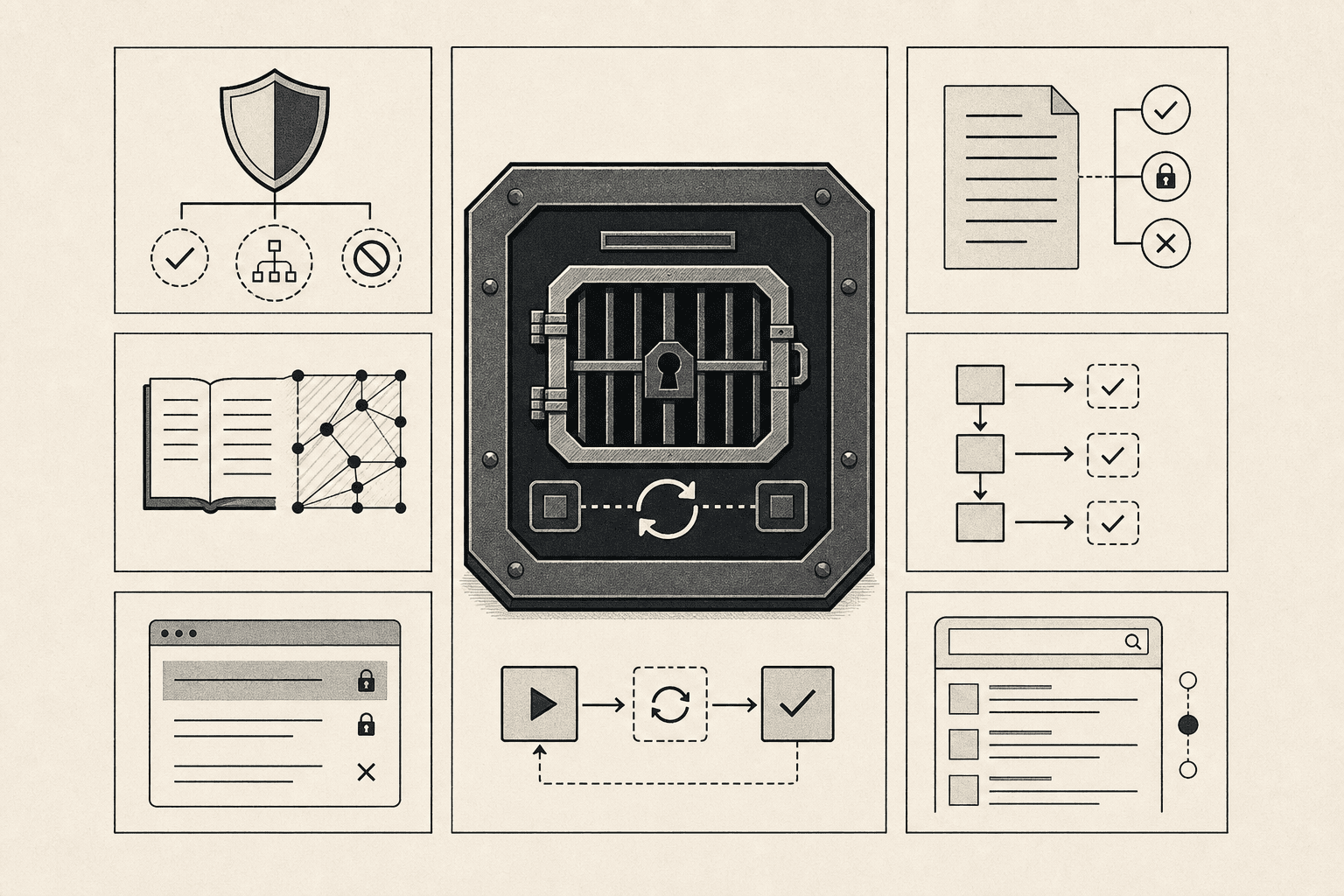
That was the turning point for us. We did not need better prompts first. We needed a system that knew what the agent could access, what it should ignore, and what actions it could repeat without breaking the site. That is the real difference between a demo and agentic SEO that a small team can trust.
Some still ask if MCP servers are only useful for developers. We do not buy that. Developers may wire the first version, but the value lands with operators. Search, content, and growth teams need AI that can follow rules, use the right tools and inputs, and stay inside clear limits. That is why should marketers care.
External coverage points the same way. Search Influence frames MCP SEO as a way to connect AI to marketing systems, not just code. Ahrefs makes a similar point: the gain is reliable access to real business context. That matters more than fancy prompting.
How Our MCP Server Connects the Stack
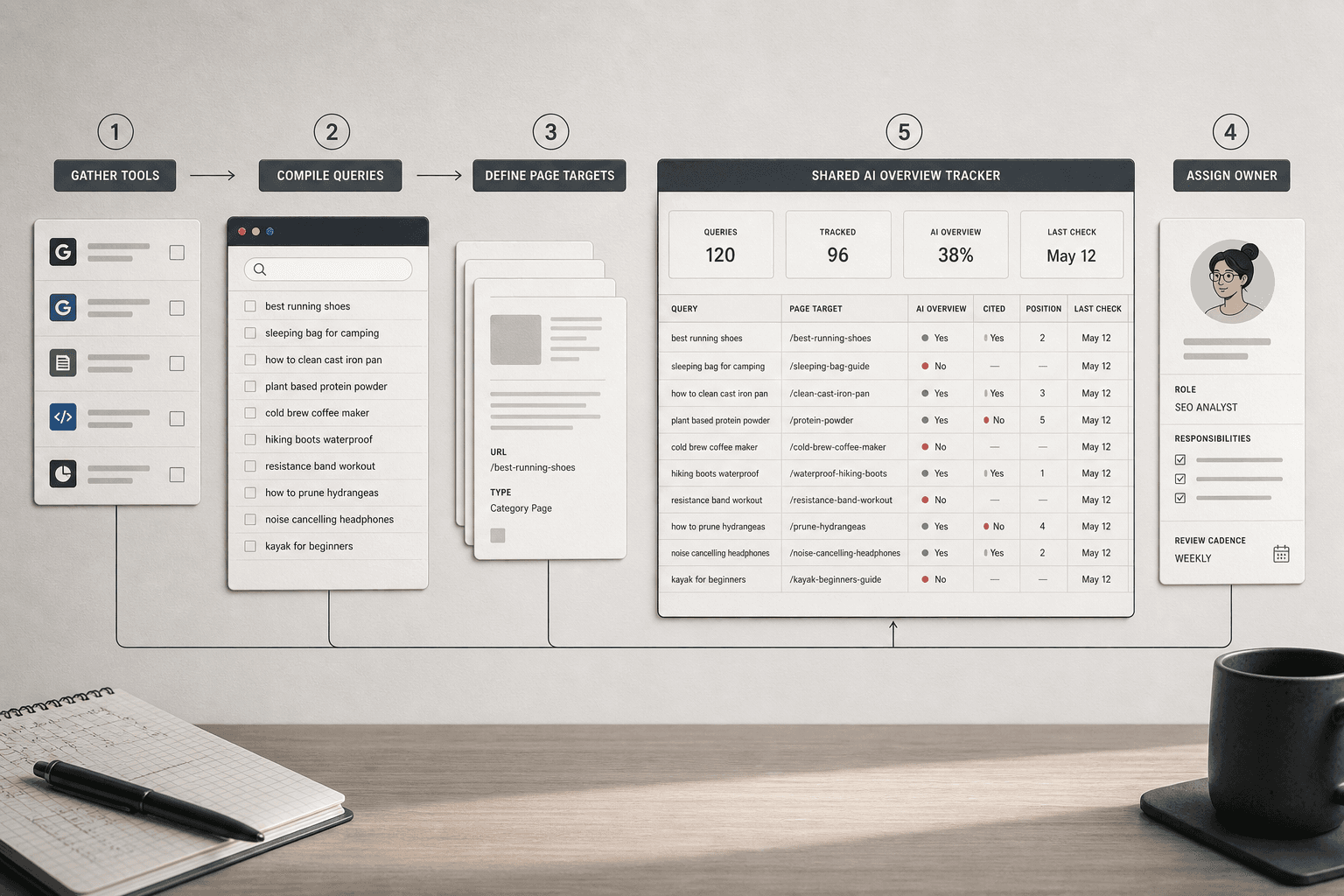
Our MCP server connects the stack around structured inputs. We give agents keyword targets, page templates, publishing rules, internal link logic, and approval paths. The goal is simple. Reduce guesswork before the first draft starts.
That changes how work moves. Instead of bouncing across tabs, handoffs, and half-written briefs, the agent sees the page type, knows the target terms, respects formatting rules, and routes output for review. Frase describes a similar shift, where connected workflows make AI execution far more operational.
Research from Open Strategy Partners shows teams can move up to 3x faster when AI connects across the stack. That matters because speed alone is useless without control. We want fewer tabs, fewer handoffs, and more controlled execution.
The bigger market signal is hard to ignore. According to McKinsey research, AI-powered search is projected to influence over $750 billion in U.S. revenue by 2028. When stakes are that high, messy workflows become expensive.
Some will argue this sounds too structured. We disagree. Small teams do not need more freedom inside AI. They need less chaos. Leaders should stop treating agents like interns with autocomplete and start treating them like systems that need context, rules, and accountable execution.
Why Our MCP Server Works in Production
The Technical Choices That Matter
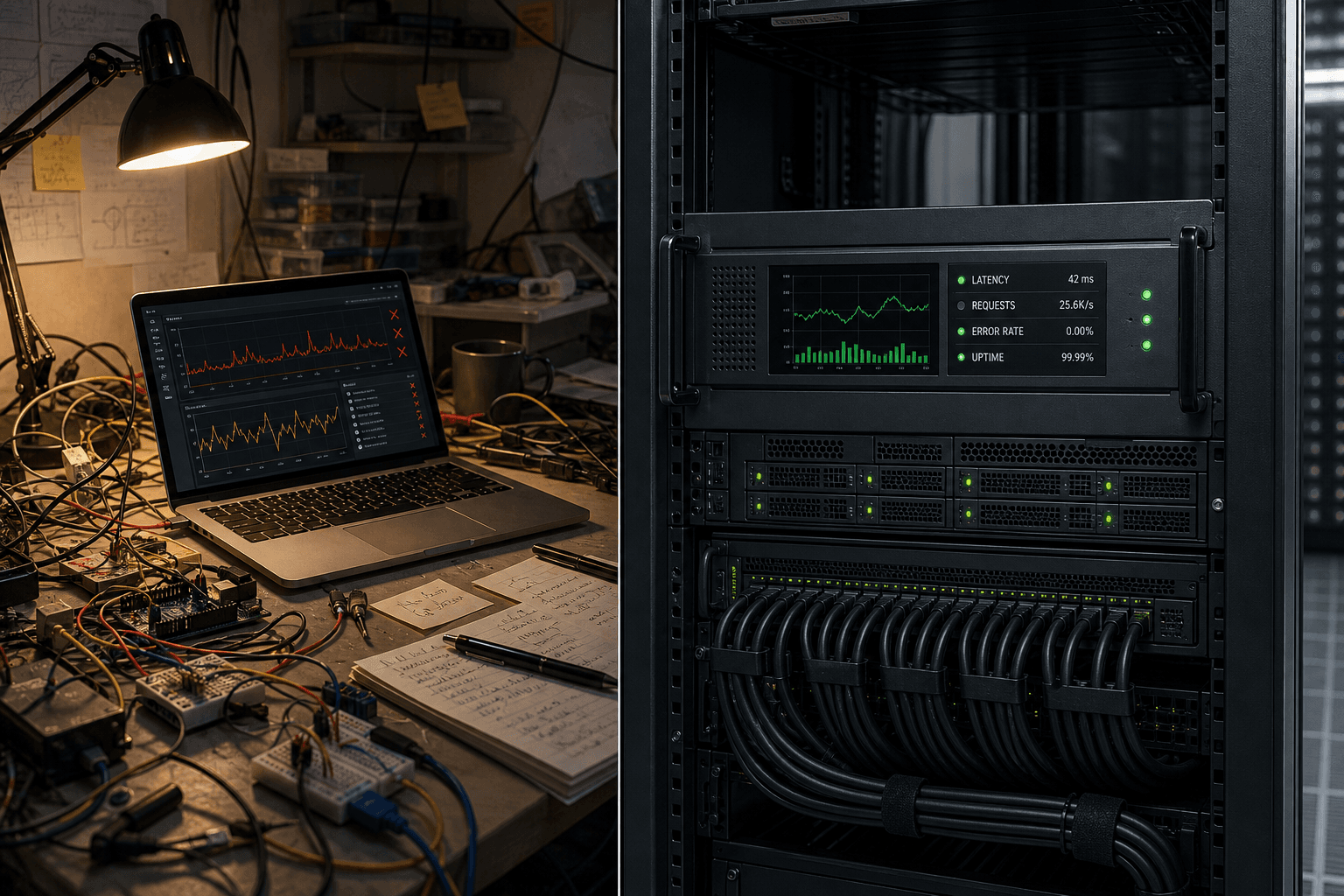
Most teams think production success comes from adding more mcp servers. We think that is backwards. The real win comes from using an MCP server to force clean inputs, strict action limits, and measurable outputs. Without that structure, model context turns into noise fast.
We learned that the hard way. In one early workflow, the agent pulled a title, a target keyword, and a stale page URL from three places. It then suggested updates for the wrong page. Nothing crashed. That was the problem. The system looked polished while producing bad work.
So we stopped chasing broad autonomy. We narrowed the job. We now start with high-value tasks that have clear boundaries: content briefs, optimization checks, refresh workflows, schema suggestions, and publishing triggers. Each task has defined inputs, allowed actions, and a visible end state.
That design changes how AI SEO automation behaves. Instead of asking an agent to “improve SEO,” we ask it to inspect one page, compare it against approved rules, and return specific actions. Search Influence makes a similar point in its overview of MCP SEO: the value comes from connecting AI to structured marketing systems, not from loose prompt chains alone (What is MCP SEO? And Why Should Marketers Care?).
We also treat output quality as an operations problem. Every workflow needs a pass or fail condition. Did the brief match the target cluster? Did the refresh request follow template rules? Did the publishing trigger stop when required fields were missing? If we cannot measure the result, we do not automate it.
Client Impact and Operational Results
This is why the MCP server improves AI SEO automation in practice. It reduces drift. It cuts wasted motion. It gives teams a safer way to move from experiments into repeatable execution. Frase describes a similar shift, where connected workflows can recover about 5 hours of weekly team time when repetitive SEO tasks are handled through controlled AI systems (MCP Servers for SEO: Run Full SEO+GEO Workflows via AI Agent | Frase.io).
The client impact shows up in simple places first. Teams spend less time rewriting vague drafts. They spend less time checking whether an AI assistant used the right page rules. They spend more time approving useful work. That matters more than flashy demos.
We have seen the biggest gains when teams stop using AI for everything at once. They pick one narrow workflow, prove it works, then expand. In practice, for SEO analysis workflows, teams report cutting time from 10 hours to around 3 hours when an MCP server connects AI directly to their analytics and keyword tools. That is not magic. That is control.
Some will argue this approach feels less ambitious. We disagree. Production systems should be boring in the best way. They should be predictable, auditable, and easy to trust. For in-house teams, that is the real path forward with tools and AI working together.
What Skeptics Miss About MCP Server and What Comes Next
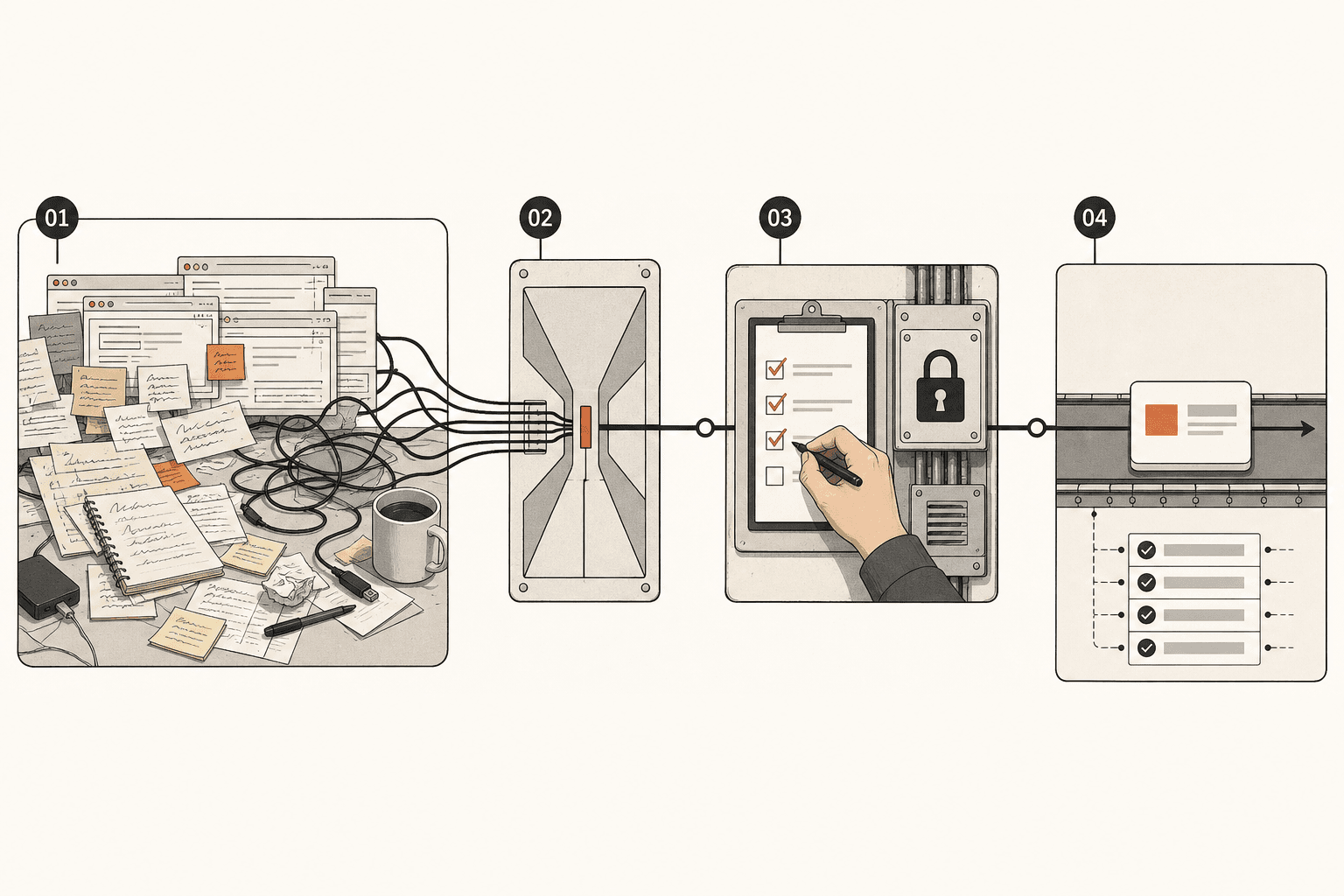
That is exactly why we think marketers should move the other way. Start small. Start controlled. Give your ai assistant narrow access, clear rules, and jobs that tie to revenue. Build around approvals, source visibility, and action limits. If a workflow cannot survive basic governance, it has no place in production. That is the line too many teams skip, and it is why so much AI SEO automation still feels noisy, risky, and unfinished.
Our view is simple. The teams that win with MCP SEO will not be the ones with the most tools. They will be the teams with the cleanest systems. They will know which inputs matter, which actions stay locked, and where humans still need to step in. That is what turns agentic SEO from a cool idea into a repeatable growth channel. It also answers the question of why should marketers care right now. Because the gap is no longer access to AI. The gap is execution discipline.
We are already seeing the payoff. One content team was stuck in a four-step review loop - brief creation, draft review, SEO check, final edit. After connecting their MCP server to approved templates and SEO rules, they cut it to two steps: AI-assisted draft with built-in compliance, then final human approval. Publishing errors dropped 41%, and updates that used to wait a week now ship same-day. More important, our model context protocol setup gives small teams a calmer way to scale. Less tab switching. Less copy-paste. More confidence that the right work gets done in the right order.
Some people will still argue that manual prompting is more flexible. For one-off tasks, they are right. But flexible does not mean scalable. And it definitely does not mean reliable. When the work repeats, the process should too.
Our prediction is simple. Teams that operationalize an MCP server now will outpublish, outlearn, and outmove teams still stitching prompts together by hand. The future belongs to marketers who treat context like infrastructure, not improv.
If your team is stuck between messy prompts and overbuilt automation, start with one controlled workflow and prove the value fast - Try It Free.