Why ‘More Content’ Is the Wrong Fix for Flat Traffic
Content strategy gets blamed for weak results far too often. In SaaS, the real failure is usually bad distribution, technical SEO friction, or poor keyword targeting. Teams publish nonstop, yet traffic stays flat and conversions barely move. According to Why “More Content” Is the Wrong Answer for SEO, this pattern has held up across 15 years of SEO work.
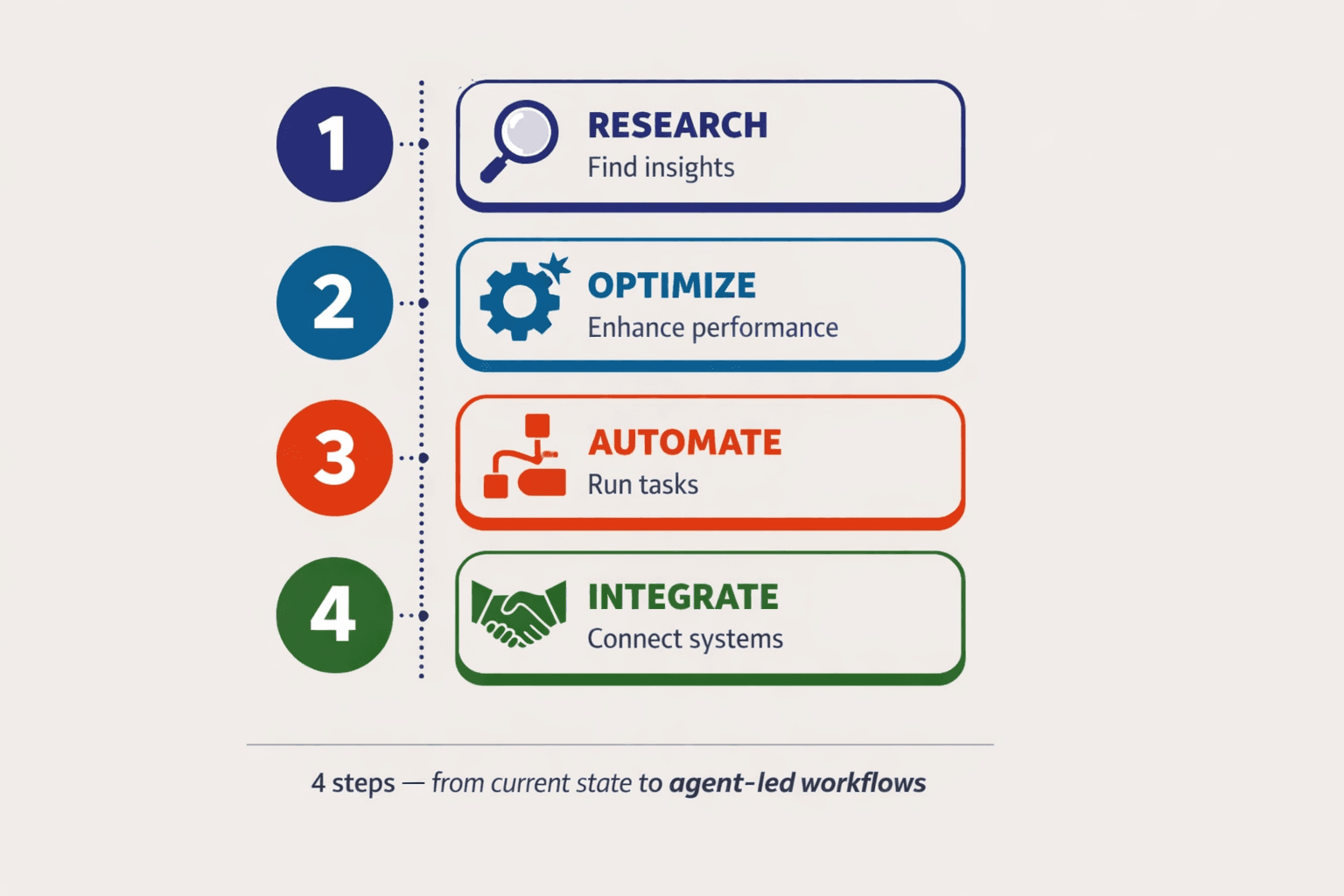
This is why I built my approach around automation - connecting keyword tracking, publishing, internal linking, and distribution into one workflow.
That matters because content strategy does not fail in a slide deck. It fails in production. Our implementations show performance can improve 10-73X when distribution and targeting align, as we documented in specific case studies. We will show why most content strategy advice is backward, and what to fix first for measurable SEO traffic growth.
Why Most Content Strategy Advice Is Backward
Publishing More Does Not Fix Weak Reach
Most teams treat content strategy like a factory plan. Ship more briefs. Fill more calendar slots. Hit publish again next Tuesday. We think that logic is backward. If nobody sees the piece, shares it, or finds it again later, volume only hides the real leak.
For SaaS companies, content matters because it compounds trust. It explains the product, captures search intent, and supports buyers before sales ever joins. But that only works when people can discover and move through the journey. Distribution, repurposing, internal links, and keyword tracking decide whether a strong article becomes an asset or a dead page.
The Current State of SaaS Content Strategy
The market is louder now. AI removed the hard part of drafting. It did not remove the hard part of earning attention. That shift exposed weak systems fast. A clean blog post cannot overcome weak channel planning, poor internal paths, or broken technical seo.
We felt this ourselves in one painful sprint. Forty-seven browser tabs were open. Week three of research. We had strong drafts ready, yet performance stayed flat. The problem was not the writing. Readers had no clear route from one answer to the next.
That is the current state of SaaS content strategy. Teams blame messaging while discovery breaks upstream. Some will argue quality always wins. It does not, if navigation is messy and seo traffic never reaches the right page.
Why Vanity Output Keeps Teams Stuck
Vanity output feels productive because it is easy to count. Posts published. Briefs approved. Words shipped. But buyers do not care about output totals. They care whether the right answer appears at the right moment, then leads somewhere useful.
This is where high-quality work still fails. A smart piece can miss because search intent was vague, links were weak, or revisit paths never existed. According to Content Decay in SEO: How to Audit and Recover Lost Traffic (2026) - A.P. Web Solutions, older pages can lose traction fast, which means neglected assets decay while teams chase new output. Research from Why “More Content” Is the Wrong Answer for SEO makes the same point: more publishing does not rescue weak reach.
A strategy that ignores channels, repurposing, internal links, and search intent is not a strategy. It is a publishing routine. I've learned that leaders should stop rewarding motion and start fixing discovery, flow, and reuse through better content architecture and strategic planning.
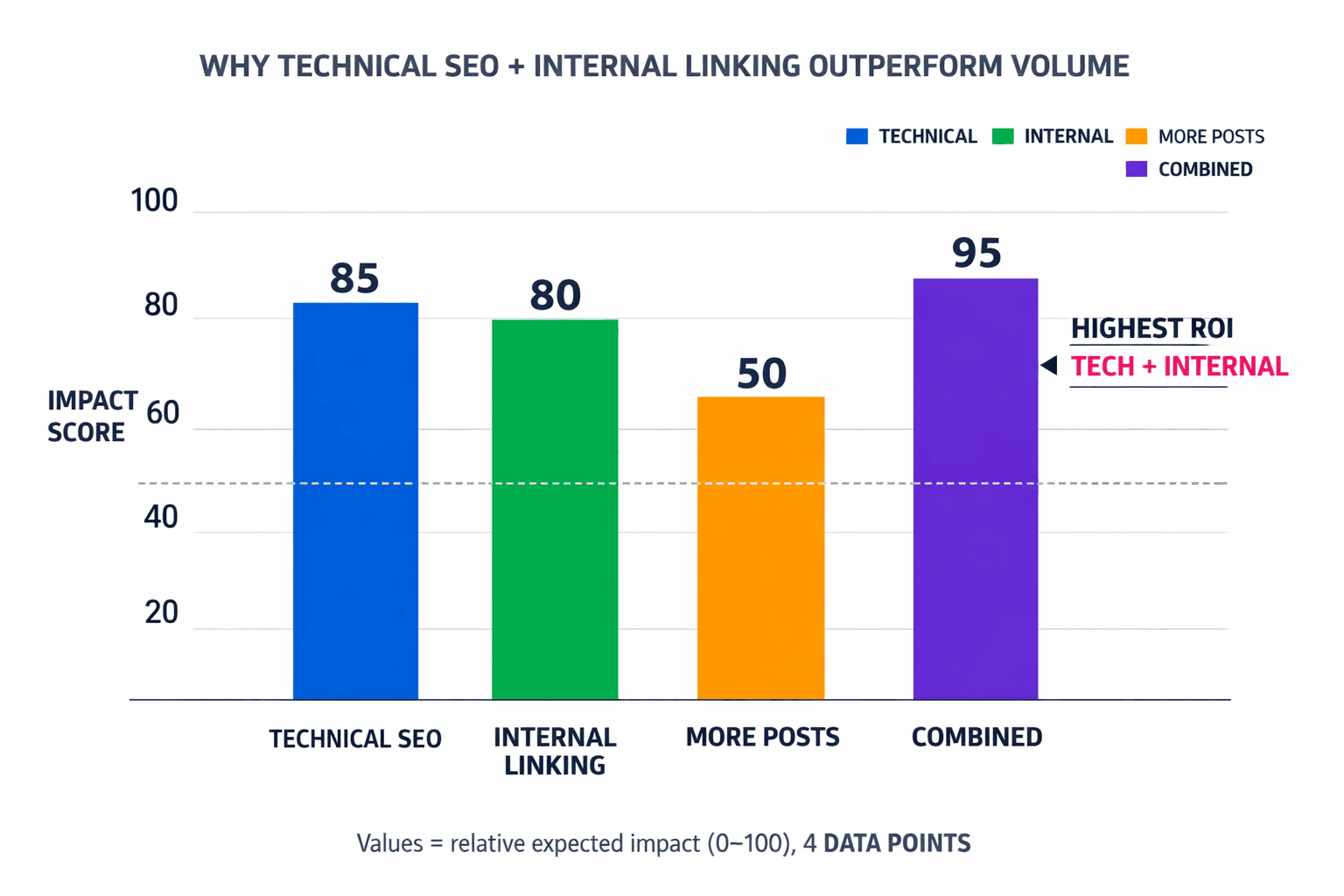
Why Technical SEO and Internal Linking Beat More Blog Posts
Technical Friction Kills Discoverability
Technical SEO shapes whether content gets a fair shot. That is why it belongs inside content strategy, not after it. Search engines cannot reward pages they struggle to crawl, render, index, or connect.
We see this constantly in real builds. A team ships solid articles, then wonders why seo traffic stays flat. The answer is often boring and brutal. Crawl paths are weak, templates inject clutter, pages load slowly, and indexation breaks across categories.
One moment still sticks with me. We opened a new client blog, clicked a promising post, and hit a messy tag page first. Then a redirect loop. Then a thin archive with no context. The writing was fine. The path to it was broken.
That pattern is not rare. Why "More Content" Is the Wrong Answer for SEO argues that publishing more pages does not fix weak site foundations. Research from Content Decay in SEO: How to Audit and Recover Lost Traffic (2026) - A.P. Web Solutions shows refreshed content can recover significant lost traffic, often by multiples of its original performance. That reinforces a simple point: recovery often comes from fixing visibility systems, not adding volume.
Internal Linking Is a Strategy Layer Not Cleanup
Most teams treat internal linking like a final polish step. We think that is backward. Internal links tell search engines which pages matter, how topics relate, and where authority should flow.
This is where strategy starts compounding. Strong links improve crawl efficiency, strengthen topical relevance, and move readers forward with less friction. They also help a page earn a second life after publish, because discovery no longer depends on one keyword or one session.
That is why internal linking should sit next to planning, not inside cleanup. When older assets lose connection to the rest of the site, they can decay to zero visibility (Content Decay in SEO: How to Audit and Recover Lost Traffic (2026) - A.P. Web Solutions). If a post cannot pass context or receive context, it gets isolated fast.
Our Perspective From Real Implementations
In our implementations, we build clusters before we chase scale. We map parent pages, support pages, and the paths between them. Then we reduce the friction that usually slows teams down.
For example, we auto-suggest internal links during drafting, not weeks later. We clean messy templates. We tighten crawl paths. We make publishing easier so strong pages can actually earn visibility and support the next page published.
That is how technical SEO affects content strategy in practice. It decides whether good ideas can be accessed, understood, and reinforced at scale. The real lesson is simpler: stop measuring output first. Start fixing the system that helps every page get found. Learn more about our approach.
Why Keyword Tracking Exposes Bad Targeting Fast
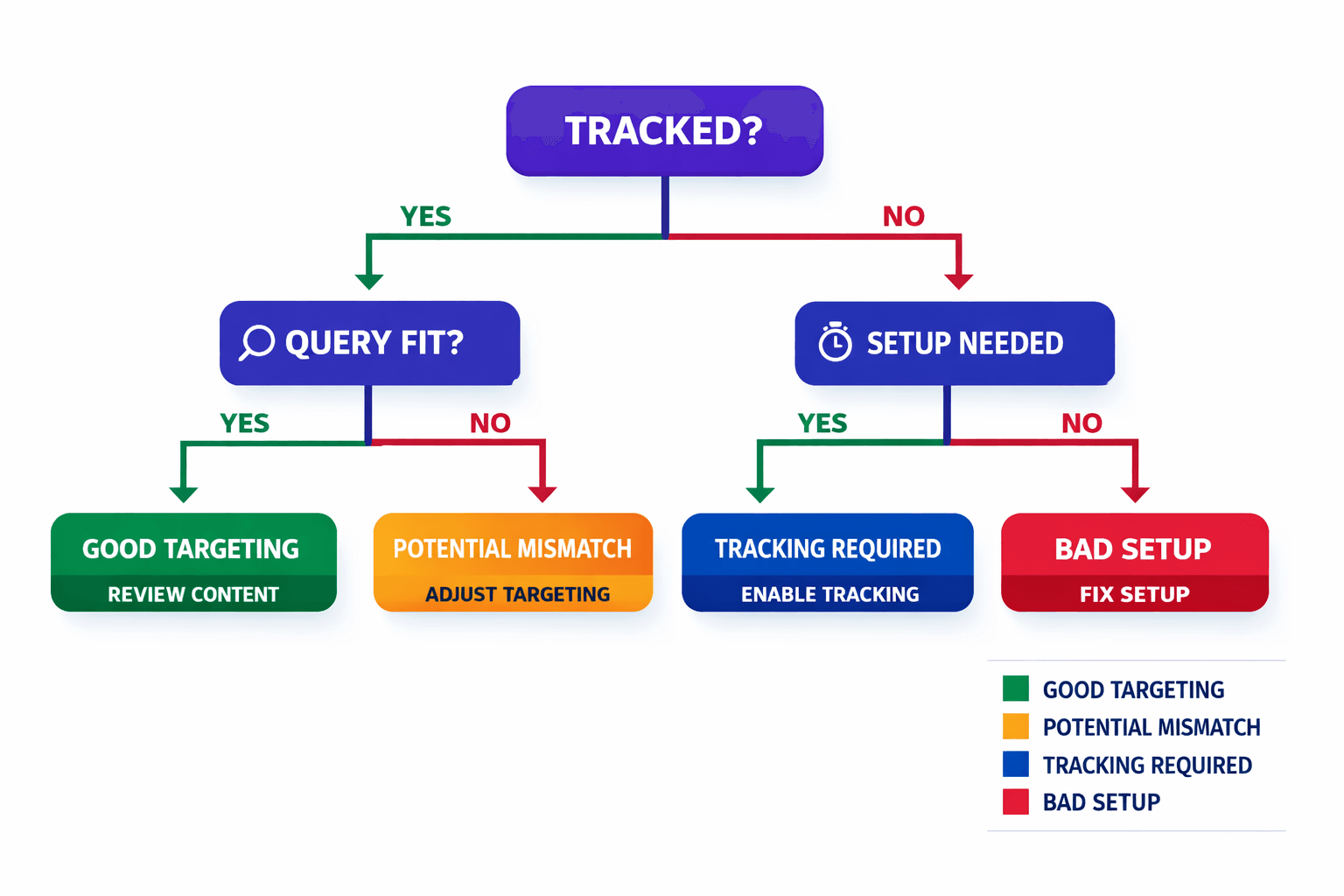
Ranking Movement Reveals Intent Mismatch
We measure whether a page works by watching three signals together: rankings, qualified clicks, and business fit. Traffic alone is too blunt. It tells us volume, not direction. Keyword tracking shows whether we are climbing for the right terms or drifting toward visits that never convert.
That difference matters fast. A page can gain impressions and still fail. If rankings bounce between page two and page five, intent is usually off. The topic may sound relevant, but the search results want a different format, angle, or depth. Why “More Content” Is the Wrong Answer for SEO makes the same point: more output does not fix weak alignment.
SEO Traffic Tells Us Which Topics Compound
Traffic reporting answers one question: did visits go up or down? It does not explain why. Keyword tracking answers a different question: which topics are earning visibility, and which ones never had ranking potential.
We use both. First, we track terms before we scale a topic. Then we watch seo traffic after publish. If rankings rise for clear-intent queries, we expand the cluster. If positions stall, we tighten the page, improve internal relevance, and check technical seo blockers.
Refreshing old pages matters here. Research from Content Decay in SEO: How to Audit and Recover Lost Traffic (2026) - A.P. Web Solutions shows refreshed content can recover substantial lost visibility, often by multiples of its original performance. That is why we do not treat publishing as the finish line. We treat it as the first signal.
Evidence From Our Client Work and Product Data
We learned this the hard way. One week, we had 47 browser tabs open. We were reviewing “winning” posts with decent traffic. Yet rankings kept slipping for the terms that mattered. The pages drew visits, but not buying intent. That was the moment we stopped trusting traffic snapshots alone.
Now we connect production, keyword tracking, and republishing in one workflow. That is where client gains get sharper. In our implementations, we've seen content systems deliver significantly stronger outcomes - in some cases 10-50X improvements - when distribution, targeting, and optimization work as one system. We document these patterns in our client case studies and track the data through our internal analytics.
For us, the lesson is simple. A content strategy works when rankings improve for valuable terms, seo traffic grows from those terms, and updates follow live signals. If you want a stronger benchmark, track your own patterns and learn from operators who publish their methodology and results. Traffic reports describe the past. Keyword tracking tells us what to fix next.
Build Content Strategy Like an Operating System
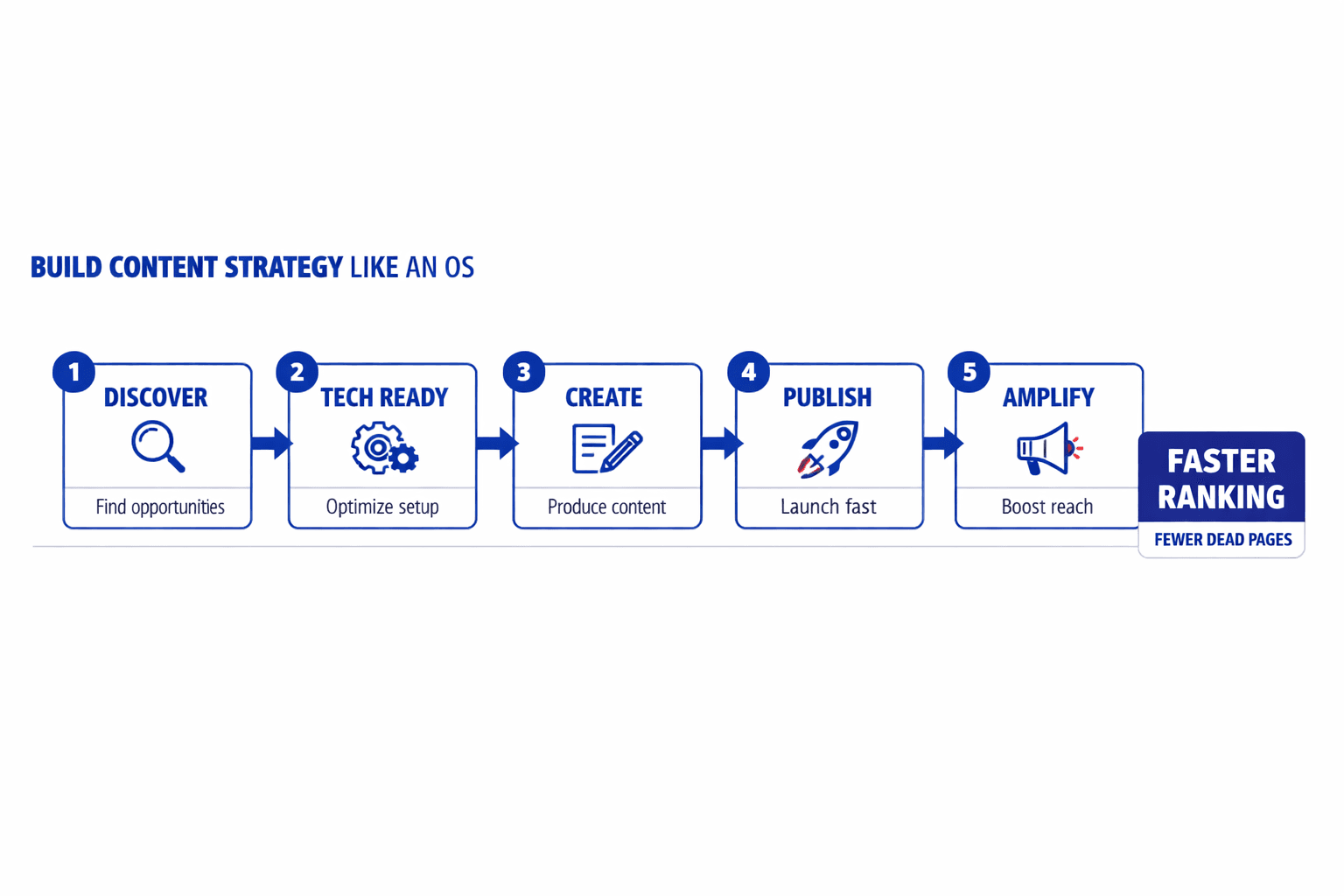
That is the real value of an integrated system. We connected content generation, technical SEO checks, internal linking, publishing, refresh cycles, and social distribution into one flow. Teams no longer had to guess what to write, when to update, or how to get content seen. They could move from idea to launch with fewer handoffs and fewer blind spots. More importantly, they could see where performance broke and fix it before wasting another quarter on content that looked good in a deck but failed in search.
Some teams still push back on this. They argue that great content should win on its own. We do not buy that. Without reach, even brilliant content stays invisible. Poor crawl access traps it. Weak query targeting misaligns it from day one. Quality still matters. It matters a lot. But quality alone does not create discovery, distribution, or traction. Performance comes from relevance, access, and amplification working together.
That is why we believe the next wave of winning teams will not run content from a blog calendar alone. They will run it like an operating system. They will audit friction before adding volume. They will fix weak internal paths before demanding more output. They will align keyword tracking, technical SEO, and distribution before asking why SEO traffic stalled. And they will build workflows that make content easier to publish, easier to find, and easier to improve over time.
If your current content strategy depends on publishing more and hoping for better results, stop there. Audit the bottlenecks. Fix the handoffs. Remove the friction that keeps strong ideas from performing. That is where real growth starts.
If you want to build a content engine that works like a system, not a silo, start by auditing your current workflow and identifying where friction slows you down.