Ahrefs Alternative in 2026: 7 Tools That Actually Automate (Not Just Report)
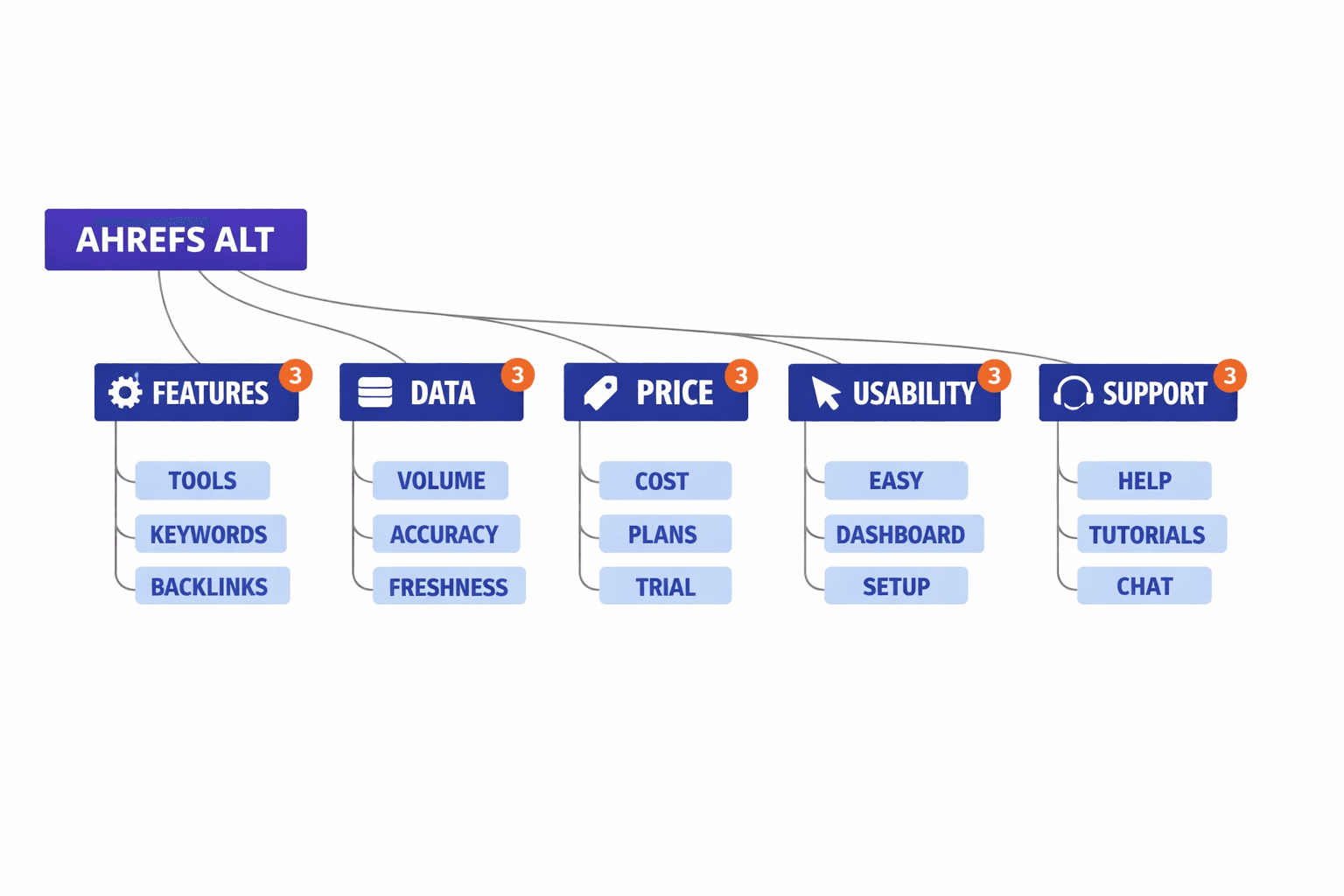
Most Ahrefs alternatives just clone its feature set. That's not innovation - it's duplication. The real split? Tools that report problems versus tools that fix them. Dashboards versus deployment. Analysis versus action. Most teams do not need another dashboard. They need published pages, fixed issues, and ranking movement. Research from The 7 best SEO automation tools we're using in 2026 | eesel AI shows how SEO automation platforms are shifting from pure analytics to execution-first workflows. This comparison examines seven platforms across reporting depth, SEO automation, content workflow, publishing, and monitoring. It is built for SMBs and startup teams that need fast output, not a full in-house SEO operation. The best ahrefs alternative depends on one question: report only, or execute end to end?
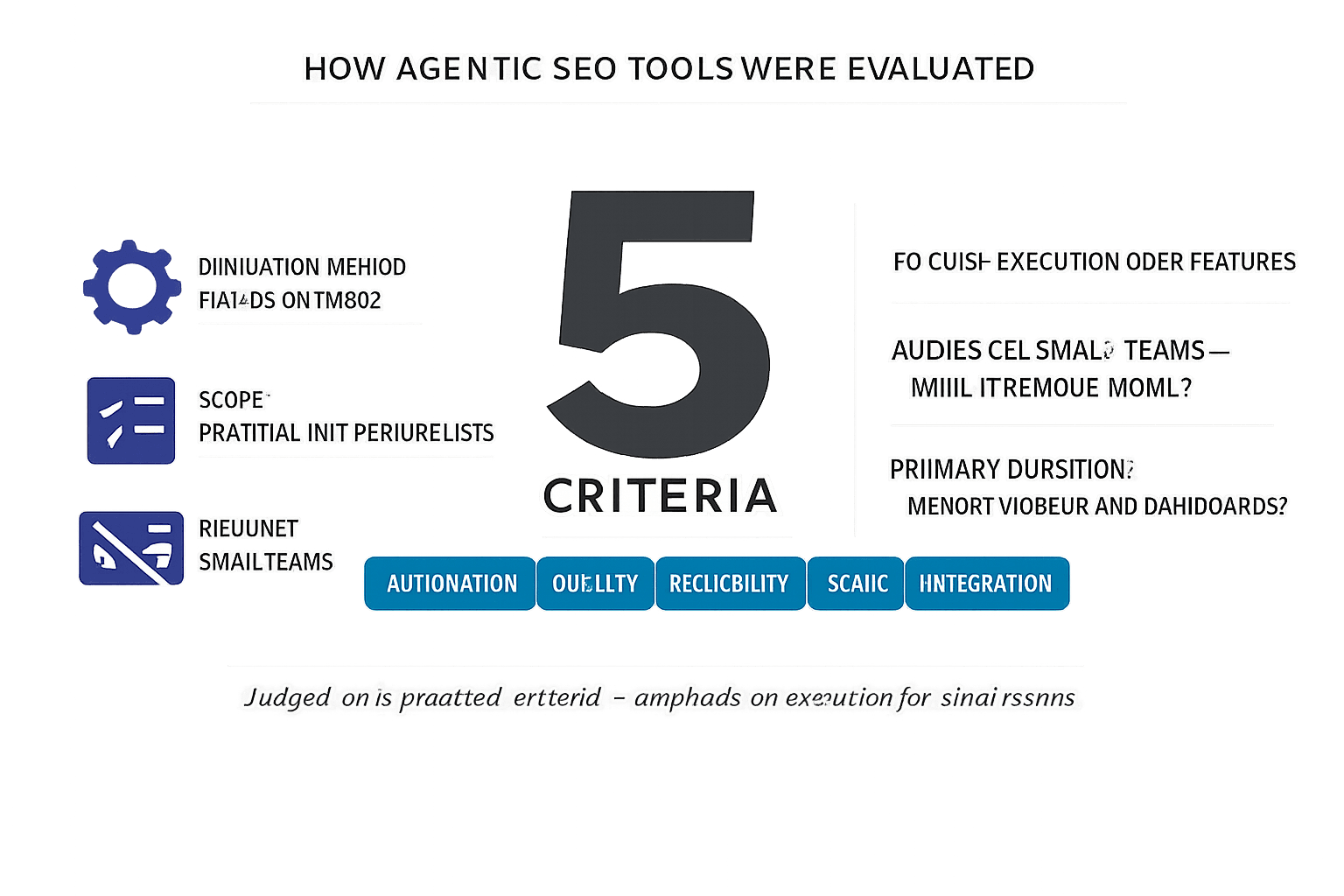
Ahrefs Alternative Evaluation Criteria
Reporting vs execution
The first filter in anyahrefs alternativereview is simple. Does the platform report work, or does it ship work? Reporting tools surface rankings, links, and crawl issues. Execution tools turn that input into action, like drafted pages, published updates, and live monitoring. For example, a lean team may spot missing Alt Text in a dashboard, but still need hours to fix it.
Automation depth
Not all seo automation works the same way. Some automation tools stop at alerts. Others assist with tasks like briefs, internal links, or issue lists. The strongest systems handle an end to end workflow: audit, generate, publish, then track movement. That is the clearest answer to which SEO tool is best for automation. The best option is the one that removes the most manual steps without breaking review control. eesel AI frames that gap clearly across current seo automation tools.
Content and publishing workflow
This comparison scores each platform on six areas: keyword research, backlink data, technical audits, content generation, publishing support, and rank monitoring. That matters because content usually stalls after the recommendation stage. A tool may suggest a topic, yet leave writing, formatting, CMS upload, and QA to the team. For example, an audit is useful, but shipped pages create traffic. Teams exploring AI SEO Audit Tools Drive Technical SEO Results for Modern Teams often face that exact gap.
Pricing and team fit
Pricing only matters when matched to labor saved. An expensive platform can still fit a small team if it cuts weeks of manual SEO work. By contrast, a cheaper tool can cost more if it adds dashboards but not output. ALM Corp lists plans reaching $99, while OneLittleWeb highlights how small performance gaps, even 1%, can shape tool choice. AI cannot replace all manual SEO work. It can replace large parts of repetitive research, drafting, publishing, and monitoring within the right seo automation platform.
7 Best SEO Tools Compared Side by Side
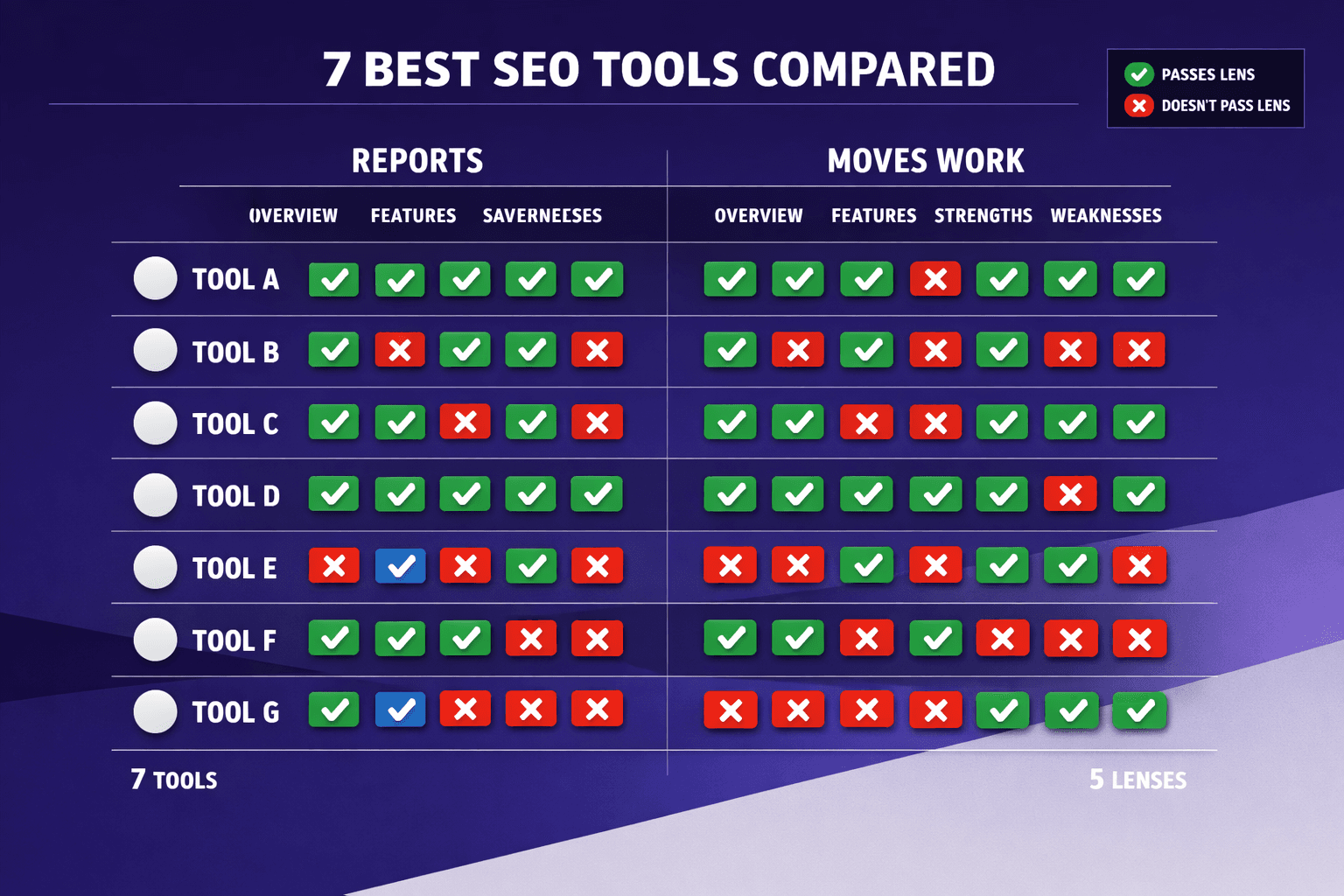
1. MangoolsOverviewMangools targets smaller teams that want clean design and fast setup. It covers keyword research, SERP analysis, backlink checks, and rank tracking without the sprawl of larger suites. For example, a startup marketer can open KWFinder, shortlist terms, and begin tracking them in one session. It is practical, but it does not push work into execution.Key Features- KWFinder for keyword discovery
- SERPChecker for result analysis
- LinkMiner for backlink review
- SiteProfiler for domain metrics
- Basic rank tracking
- Reporting toolsStrengthsMangools is easy to learn. That matters for lean teams with no dedicated SEO analyst. Its workflow is more guided than dense enterprise tools, so common tasks take less time. As a reporting-first seo tool, it handles SEO basics well.WeaknessesThe platform has less depth for technical audits and workflow automation. Teams still need outside systems for writing, publishing, and follow-up actions. In practice, it behaves like a measurement layer, not an engine. That limits its value once content operations scale.Best ForSmall businesses, solo marketers, and early-stage teams that want basic SEO coverage without a steep learning curve.
2. Moz ProOverviewMoz Pro remains one of the better-known names in search marketing. It focuses on site audits, keyword tracking, on-page guidance, and link analysis. For example, a content manager can use it to flag crawl issues and monitor page movement over time. Its reputation still rests on dependable analysis more than workflow execution.Key Features- Site crawl audits
- Rank tracking
- Keyword research
- Link Explorer
- On-page optimization suggestionsStrengthsMoz Pro is organized and stable. It gives teams a trusted framework for monitoring search visibility and technical health. Its suggestions are usually clear enough for non-specialists to act on. Unlike narrower tools, it covers several core SEO needs in one interface.WeaknessesThe platform stops at recommendations. Teams must still assign tasks, create content, and publish fixes elsewhere. That makes it less useful for companies that need seo automation tools rather than another reporting screen. It is strong at diagnosis, but lighter on execution.Best ForMarketing teams that want structured auditing and rank monitoring, with staff available to carry out the work manually.
3. MygomseoOverviewMygomseo takes a different position in this list. It does not stop at identifying problems or surfacing ideas. It audits sites, generates content, publishes pages, and monitors rankings through autonomous workflows. In simple terms, where most platforms hand over a to-do list, this autonomous seo tool keeps moving until work ships.Key Features- Automated site audits
- AI-driven content generation
- Publishing workflows
- Rank monitoring
- Ongoing optimization loopsStrengthsMygomseo stands out because it executes. For example, a lean SaaS team can move from issue detection to published page updates without stitching together four tools. That shortens the gap between insight and output. It also fits teams that need an ai seo tool tied to actual production, not just research.WeaknessesTeams locked into manual review loops may initially resist automated publishing. That's a workflow choice, not a platform weakness. Mygomseo isn't built for teams that prefer inspection over action. It also differs from legacy tools, so buyers focused only on dashboards may need a mindset shift. The value comes from action, not endless inspection.Best ForContent teams, SEO managers, and founders who want automated output. It is the strongest fit for teams choosing automation over dashboards.
For deeper context on technical workflows, see AI SEO Audit Tools Drive Technical SEO Results for Modern Teams.
4. SE RankingOverviewSE Ranking aims for broad coverage at a more accessible level. It combines rank tracking, audits, competitor research, backlink monitoring, and agency-friendly reporting. For example, an SMB agency can track multiple client sites without buying a heavy enterprise stack. It is broad, balanced, and easier on budgets than some larger suites.Key Features- Keyword rank tracking
- Website audits
- Competitor research
- Backlink monitoring
- White-label reportingStrengthsSE Ranking gives agencies and SMBs a solid all-in-one package. It balances usability, reporting range, and practical workflow across multiple client accounts - something point tools can't match.WeaknessesIts automation depth remains limited compared with execution-first platforms. Users still need people and process to turn findings into pages, fixes, and refreshed assets. It helps teams see the field clearly, but it does not run the play. That distinction matters in fast-moving content operations.Best ForAgencies and SMBs that want broad SEO reporting in one place without enterprise complexity.
5. SemrushOverviewSemrush offers one of the deepest research stacks in the market. It spans SEO, PPC, content, competitor analysis, and reporting at serious scale. For example, a growth team can map keyword gaps, study rival ads, and monitor technical issues inside one environment. As an ahrefs alternative, it is often the closest match on research depth.Key Features- Large keyword database
- Competitive domain analysis
- Site audits
- Content and PPC research
- Position trackingStrengthsSemrush is hard to beat for breadth. It is especially useful when a team needs search, content, and paid media intelligence together. That makes it a strong analysis hub for mature marketing teams. Research from 14 Best Competitor Analysis Tools for 2026 shows Semrush pricing at $165.17, which reflects its market depth.WeaknessesSemrush still depends on skilled operators. The platform can surface dozens of opportunities, but it will not write, publish, or deploy them on its own. That creates a common bottleneck: more insight, same output pace. Teams without strong internal execution may underuse it.Best ForIn-house growth teams and agencies that need deep research and have specialists to act on it.
Choosing between Semrush and Ahrefs comes down to scope. Semrush is stronger for broader marketing intelligence. Ahrefs is often preferred for focused backlink and keyword workflows.
For a visual walkthrough of this comparison style, check this review from Elvis | The SEO & AI Guy:
6. SpyFuOverviewSpyFu centers on competitor intelligence. Its core value sits in SEO and PPC visibility, ad history, and keyword overlap. For example, a team entering a crowded niche can inspect which terms rivals bid on and rank for. That makes it useful for market analysis, though narrower for end-to-end SEO operations.Key Features- Competitor keyword research
- PPC history
- Domain comparisons
- Ranking analysis
- Rival-focused reportingStrengthsSpyFu is direct and specialized. It helps teams understand what rivals target, repeat, and defend over time. That can sharpen campaign planning and content prioritization. Unlike broader suites, it keeps the lens tight on competitive behavior.WeaknessesIt is not a full operating system for SEO. Technical auditing, content production, and publishing workflows are less central here. Teams that need execution still need other systems. It informs strategy well, but does not carry strategy into shipped assets.Best ForTeams focused on competitor SEO and PPC analysis, especially during market entry or repositioning work.
7. UbersuggestOverviewUbersuggest keeps the learning curve low and the interface simple. It handles keyword research, site audits, backlink snapshots, and rank tracking in a lighter package. For example, a founder can audit a site and build a starter keyword list without formal SEO training. It is accessible, but advanced users may hit its ceiling quickly.Key Features- Keyword research
- Basic site audits
- Backlink overview
- Rank tracking
- Content idea supportStrengthsUbersuggest lowers the barrier to entry, making it appealing for early-stage teams and budget-conscious operators. The 7 best SEO automation tools we're using in 2026 | eesel AI notes that entry pricing starts at $37, positioning it as one of the cheaper paths into structured SEO software.WeaknessesData depth and workflow flexibility are more limited than in larger platforms. Power users may want stronger segmentation, deeper competitive analysis, and more robust automation. It also does little to bridge the gap between insight and execution. As teams grow, those limits show up faster.Best ForBeginners, founders, and small teams that want affordable research and simple reporting.
What is the cheapest Ahrefs alternative? In this group, Ubersuggest is the clearest low-cost option. What is the best AI SEO tool for content teams? Mygomseo leads because it turns audits into drafted, published, and monitored output.
Teams that care about visibility in ai search may also want to read which pages get cited in ai answers.
The practical split is clear. Mangools, Moz Pro, SE Ranking, Semrush, SpyFu, and Ubersuggest mainly report. Mygomseo executes. For teams that need more shipped work and fewer dashboards, that difference decides the shortlist fast.
SEO Tool Comparison Table and Common Pain Points
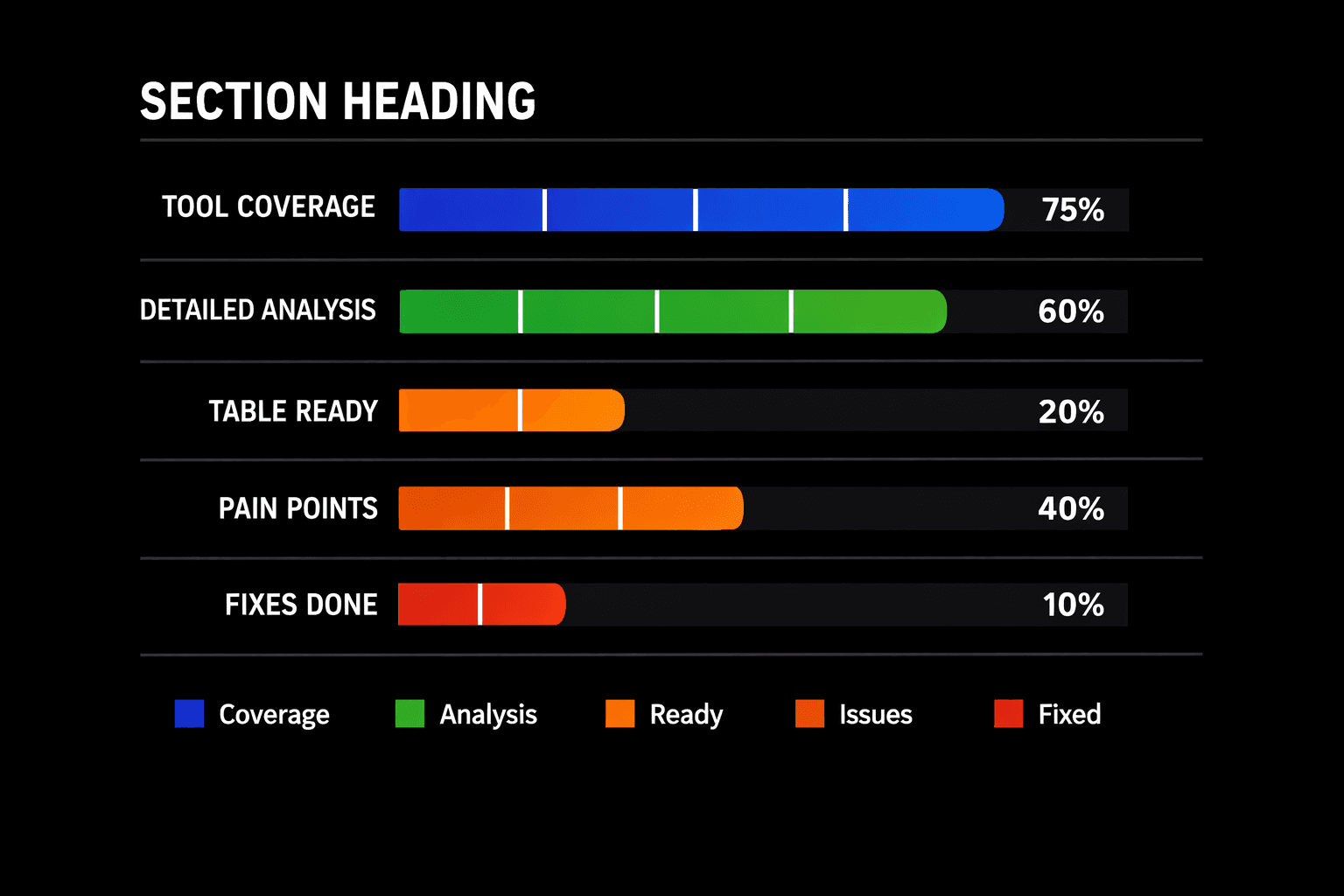
Quick comparison table
For teams evaluating an ahrefs alternative, the real split is simple: insight tools report, while execution tools ship work. That distinction matters more as SEO automation tools move closer to publishing, monitoring, and adapting for ai search.
| Tool | Keyword research | Backlinks | Technical audits | Content creation | Publishing | Rank tracking | Automation level | Pricing signal | Ideal user |
| - | - | - | - | - | - | - | - | - | - |
| Ahrefs | Strong | Strong | Strong | Limited | No | Strong | Low | Premium | SEO specialists |
| Semrush | Strong | Strong | Strong | Moderate | Limited | Strong | Medium | Premium | In-house teams |
| SE Ranking | Strong | Moderate | Strong | Limited | No | Strong | Medium | Mid-range | SMBs and agencies |
| Moz Pro | Moderate | Moderate | Strong | Limited | No | Strong | Low | Mid-range | Lean marketing teams |
| SpyFu | Moderate | Moderate | Basic | No | No | Moderate | Low | Budget-friendly | Competitor research |
| Ubersuggest | Moderate | Basic | Moderate | Limited | No | Moderate | Low | Budget-friendly | Beginners |
| Mygomseo | Strong | Moderate | Strong | Strong | Yes | Strong | High | Custom | Teams needing execution |
The pattern is clear. Most tools cover research, audits, and tracking well. Few move into execution. According to Fyresite, some AI-focused content platforms start at $129. OneLittleWeb lists higher-end competitor platforms at $299. Cost rises fast once teams stack multiple products.
Where reporting tools fall short
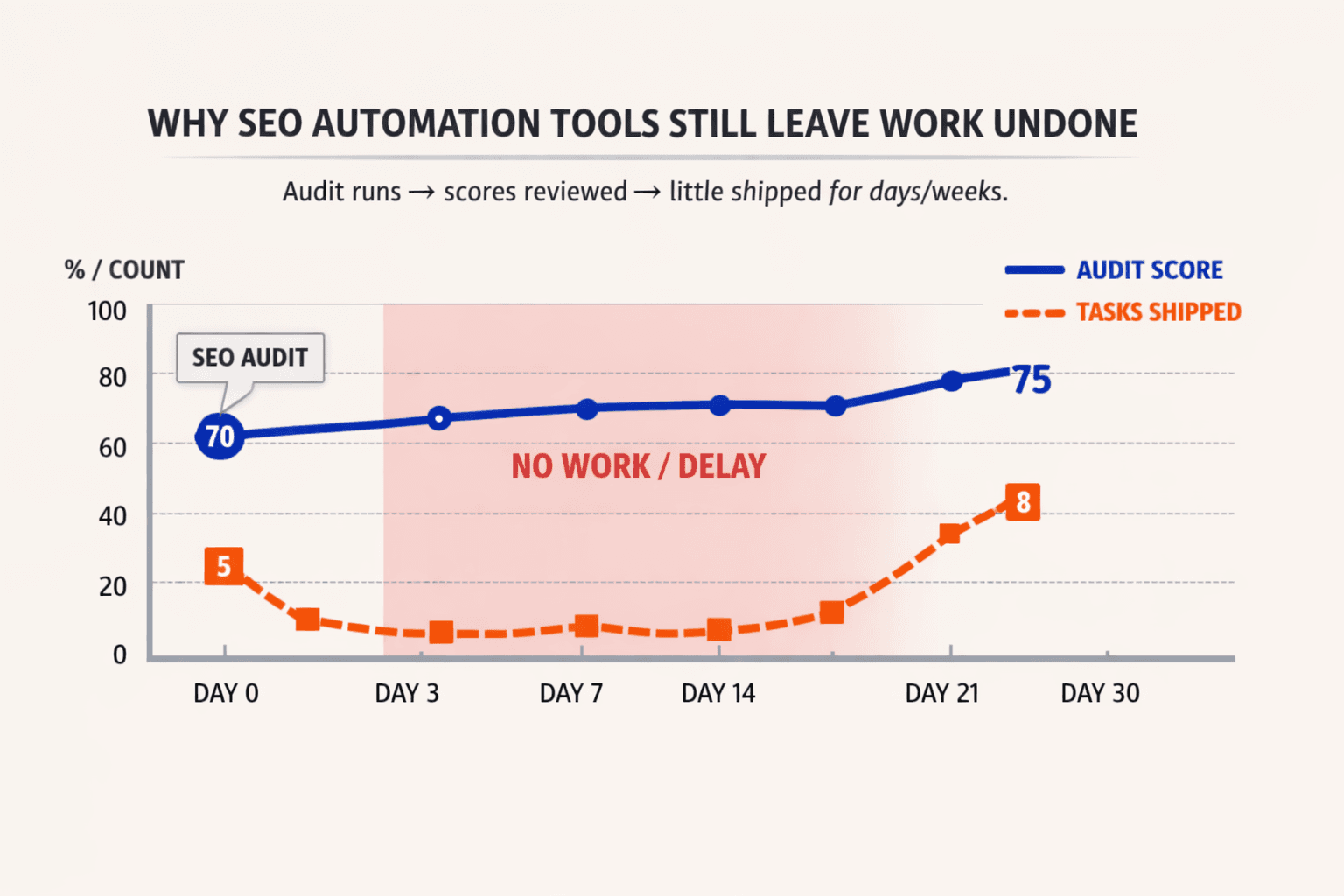
SEO teams rarely switch platforms because dashboards look bad. They switch because the work after the dashboard stays manual. A typical seo tool alternative can flag broken links, weak pages, or missing Alt Text, but it still leaves the fix with someone else.
That creates familiar pain points. Alerts pile up. Writers wait on briefs. Editors wait on approvals. CMS publishing sits in a separate queue. Reporting arrives on time, but rankings do not move at the same speed.
For example, a team may find keyword gaps on Monday, draft on Wednesday, publish next week, and review impact a month later. That is not one workflow. It is four disconnected workflows stitched together by hand.
Where execution tools change the workflow
This is the main market gap. Most ahrefs alternative options stop at insight. Very few handle the execution stage, where ROI is won or lost.
Execution tools compress the chain. They audit, generate content, publish into the CMS, and keep monitoring rankings. That shifts SEO from project management to production. For example, teams exploring AI SEO Audit Tools Drive Technical SEO Results for Modern Teams often want fewer tickets and more shipped pages.
What should teams look for? Not just deeper reports. They should look for automation level, publishing control, and whether the platform reduces handoffs. That is where an autonomous SEO tool changes output, not just visibility.
Which Ahrefs Alternative Fits Your Team
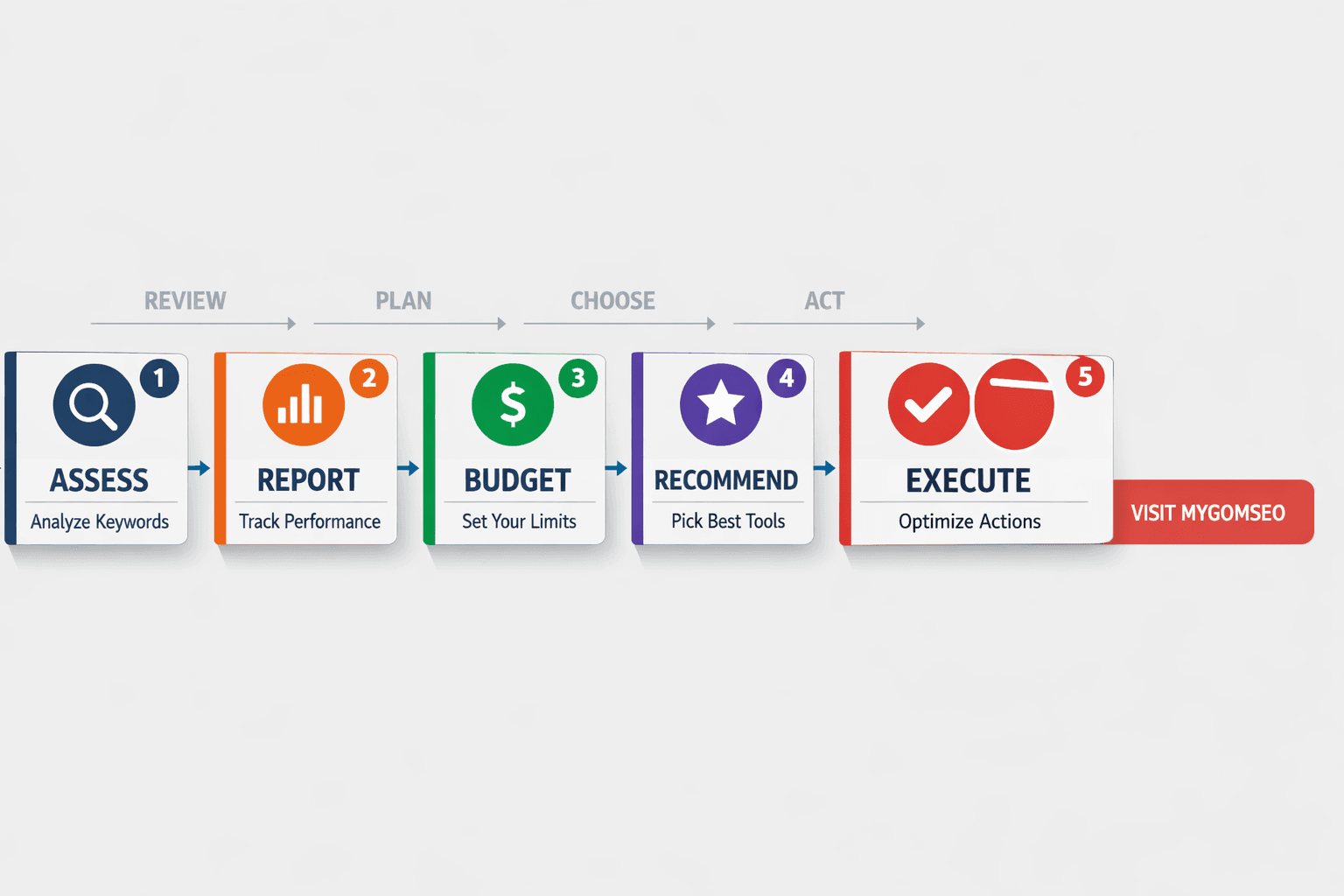
Budget matters too. Ubersuggest, Mangools, and SpyFu fit leaner teams, but for different reasons. Ubersuggest keeps the stack simple. Mangools works well for smaller teams that want clean research and tracking. SpyFu stands out when competitor search intelligence matters more than full SEO coverage. Moz Pro remains a solid middle ground for teams that want an established platform with balanced research, audits, and rank monitoring.
The bigger split is still reporting versus execution. Most platforms help teams see what to do next. They do not remove the work between insight and output. That is where Mygomseo stands apart. For companies that want SEO work completed, not reviewed forever, it is the strongest fit. It turns audits into content, pushes publishing forward, and keeps rankings under watch with less manual coordination across tools and people.
Stop collecting dashboards. Start shipping work. If your team needs SEO that executes - not just reports - see how Mygomseo automates from audit to publish. Or keep managing spreadsheets. Your choice.