The 6 Most Common Crawl Errors That Sabotage Your SEO (And How to Fix Each)
A seo audit tool is the fastest way to find ranking blockers and ship fixes that move traffic. But most teams still drown in audit exports with no severity, owner, or ROI.
That gap matters more in 2026, when crawl budgets tighten and releases move fast. Technical debt prevents search engines from discovering and indexing new content efficiently. The Most Overlooked Technical Issues That Sabotage ... highlights how crawl errors and indexation problems compound over time. Log file analysis offers a direct view into how search bots interact with a site, revealing patterns that standard analytics miss. Teams that monitor The Most Overlooked Technical Issues That Sabotage ... crawl behavior can prioritize fixes based on actual bot activity rather than assumptions.
This list ranks seven tools using the same criteria. It also shows how to turn findings into a repeatable, defensible action plan for engineering teams and marketing leads.
How This SEO Audit Tool List Was Evaluated
1. Consistent scoring criteria
Each seo audit tool was scored with one rubric covering seven categories: crawl coverage, technical diagnostics, prioritization logic, reporting and export quality, collaboration, integrations, and pricing transparency.
Crawl coverage meant depth and control. For example, could it respect robots.txt and canonicals. Technical diagnostics meant real root causes, not noise. Prioritization logic meant clear severity and effort tags. Reporting quality meant clean exports for tickets and docs.
2. What matters for professionals versus beginners
Beginners need guardrails and plain language. A built-in seo audit checklist helps teams avoid missed basics. A simple seo checker view also helps triage fast.
Professionals need depth and proof. For example, log signals can confirm real crawl waste. Research from The Most Overlooked Technical Issues That Sabotage ... notes using crawl errors like 4xx and 5xx in logs. Tools scored higher when they supported that workflow.
Free tools can be accurate for spot checks. They often miss scale, history, and exports. They may also limit crawls or hide settings. For deeper context, see Why Most Free SEO Tools Still Sell Your Data (And How to Spot the Signs).
3. Bias control and test setup
Testing used three sample site types. A small marketing site, a SaaS docs-heavy site, and ecommerce. Each tool ran with the same crawl limits. Each run repeated to confirm stability.
Desktop crawlers won on speed and control. Cloud platforms won on sharing and monitoring. Single audits fit launches and migrations. Continuous monitoring fit fast release cycles. The Most Overlooked Technical Issues That Sabotage ... recommends keeping at least 90 days of logs for patterns.
Most teams should audit monthly. Teams should also audit after major releases.
7 Best SEO Audit Tool Options Ranked
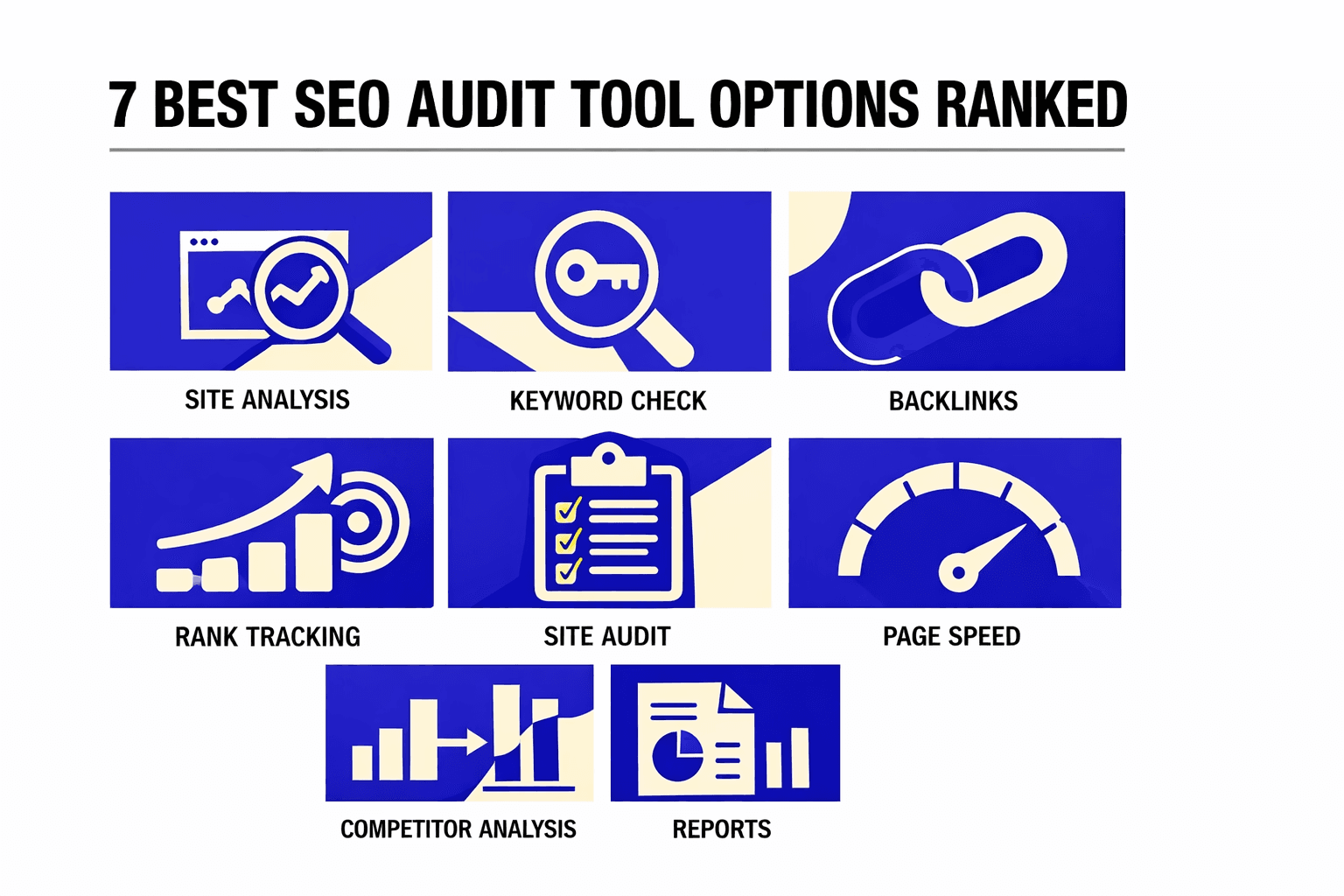
1. Semrush Site AuditBest forTeams that need one platform for ongoing audits, triage, and reporting.Standout strengthsSemrush balances diagnostic depth with clear next steps. This makes it easy for teams to track recurring issues by template and tie fixes directly to releases rather than guesswork.
For example, a SaaS site can crawl weekly.
The team can track recurring issues by template.
That keeps fixes tied to releases, not guesswork.
It also works well as an SEO checker.
Reports are easy to share with stakeholders.
Issue groupings help keep backlogs clean.Key limitationsSemrush is not a full replacement for a desktop crawler.
Very large sites can hit crawl limits fast.
Some edge cases need log files or custom scripts.Pricing model snapshotSubscription platform.
Site Audit access is plan-based.
Free tier is limited.Ideal workflow fitBest for continuous monitoring plus client-ready reporting.
It suits teams that need priorities, not raw URLs.
For deeper automation ideas, see AI SEO Audit Tools Drive Technical SEO Results for Modern Teams.
2. Ahrefs Site AuditBest forTechnical teams that want strong crawling plus clean, fast exports.Standout strengthsAhrefs is strong at surfacing crawl patterns.
It makes issue clusters easy to spot.
That helps when problems repeat across sections.
For example, an ecommerce site can flag thin faceted pages.
The audit can group issues by folder.
A tech lead can assign fixes by component.
Ahrefs also supports clear severity hints.
It keeps reports readable for non-SEO teams.
Exports work well for Jira or spreadsheets.Key limitationsSome teams find prioritization less prescriptive.
Recommendations can feel less “how-to” than others.
Certain fixes still need internal playbooks.Pricing model snapshotSubscription platform.
Site Audit limits depend on plan.
No true free tier for full auditing.Ideal workflow fitBest for teams that live in spreadsheets.
It fits engineering-led audits and QA cycles.
It is also strong for repeatable technical seo audit runs.
3. Screaming Frog SEO SpiderBest forAuditors who need maximum crawl control and raw data.Standout strengthsScreaming Frog is the “packet capture” of SEO crawling.
It exposes almost everything the crawler can see.
Filters make it easy to isolate failure modes.
For example, a migration can be checked in minutes.
Redirect chains and canonicals show up fast.
Broken internal links become a simple export.
It also supports custom extraction.
That helps validate structured data at scale.
It is ideal for forensic audits.Key limitationsActionability depends on the operator.
It outputs facts, not a prioritized roadmap.
Non-technical teams can feel overwhelmed.
It also runs on a local machine.
Huge crawls need memory tuning.
Shared workflows require process discipline.Pricing model snapshotPaid desktop license.
Free version has crawl limits.
Most teams use the paid license.Ideal workflow fitBest for deep dives and pre-release QA.
It pairs well with a reporting platform.
It is the tool for “show the evidence” audits.
4. SitebulbBest forTeams that want second-best overall balance of depth and guidance.Standout strengthsSitebulb sits between raw crawling and guided audits.
Hints and explanations reduce interpretation time.
That boosts actionability for mixed-skill teams.
For example, a content team can see internal linking gaps.
A developer can review the exact URLs impacted.
Both can agree on a fix order quickly.
Visual reports help explain architecture issues.
That matters when selling refactors internally.
It turns technical findings into a story.Key limitationsIt is still a desktop-style workflow.
Collaboration is not as native as cloud suites.
Some exports need cleanup for agency templates.Pricing model snapshotPaid subscription, typically per user.
Plans vary by features and scale.
No full free tier for serious use.Ideal workflow fitBest for consultants and in-house teams.
It works well for audits that must teach.
It is strong when a technical seo audit needs context.
5. SE Ranking Website AuditBest forSmall businesses that need affordable auditing plus reporting.Standout strengthsSE Ranking focuses on clarity and repeatability.
It is easier to onboard than power crawlers.
Reports fit common small-team workflows.
For example, a local business can run monthly checks.
The audit can highlight broken pages and metadata gaps.
A marketer can fix many items without engineering help.
It also fits lightweight client reporting.
That helps when budgets are tight.
It is a practical seo checker for routine maintenance.Key limitationsDeep edge-case diagnostics can be thinner.
Large sites may need more crawl tooling.
Some advanced audits still require a crawler.Pricing model snapshotSubscription with tiered limits.
Audit features depend on plan.
Often positioned as budget-friendly.Ideal workflow fitBest for small businesses and lean teams.
It fits a “find issues, fix, recheck” cadence.
For deeper automation, see AI Technical SEO Strategies for Instant Detection and Audit Automation.
6. Moz Pro Site CrawlBest forTeams that want simple crawling in a broader SEO suite.Standout strengthsMoz keeps audits approachable.
It emphasizes key site health themes.
That helps when stakeholders want a short list.
For example, a marketing lead can review top issues.
A developer can get a small set of targets.
That reduces audit fatigue.
Moz also offers familiar reporting.
It works well for recurring check-ins.
It can support a basic seo audit checklist workflow.Key limitationsTechnical depth can lag dedicated crawlers.
Very large sites may feel constrained.
Some prioritization can feel generic.Pricing model snapshotSubscription suite.
Crawl limits are plan-based.
Free access is limited.Ideal workflow fitBest for marketing teams that need simplicity.
It fits audits that must stay lightweight.
It is less ideal for forensic technical work.
7. Google Search ConsoleBest forBaseline monitoring and reality checks from Google itself.Standout strengthsSearch Console is the credibility anchor.
It shows indexing signals and search visibility data.
That makes it essential in any seo audit tool stack.
For example, a team can confirm index coverage changes.
It can spot spikes in crawl errors.
It can validate whether fixes changed outcomes.
It also supports URL inspection.
That helps debug “why is this not indexed.”
Coverage and sitemaps provide fast feedback loops.
Research from 6 SEO Strategy Mistakes That Sabotage Your Rankings ... shows93%of online experiences start with search.
That makes Google’s own diagnostics hard to ignore.Key limitationsIt is not a crawler replacement.
It reports what Google observed, not everything.
Prioritization is limited and often manual.Pricing model snapshotFree.
Requires site verification.
No paid upgrade path.Ideal workflow fitBest as the final validation layer.
It confirms impact after fixes ship.
It also grounds audits in real indexing behavior.
Quick buyer answers
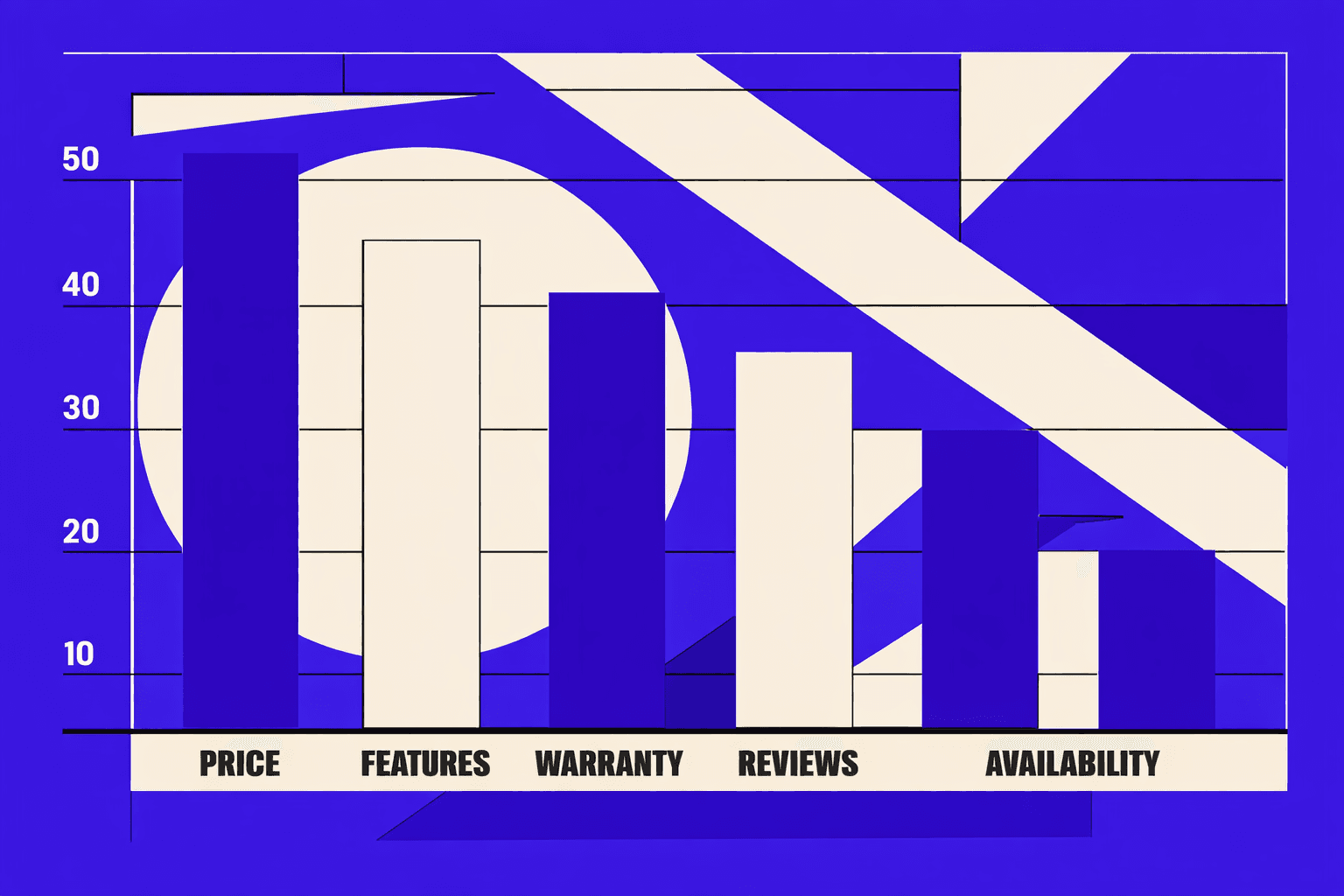
Speed-related audit findings are especially actionable since Google research shows53%of mobile users abandon sites that take over 3 seconds to load. This makes Core Web Vitals checks a priority for any audit workflow.
SEO Audit Checklist Workflow for Faster Fixes
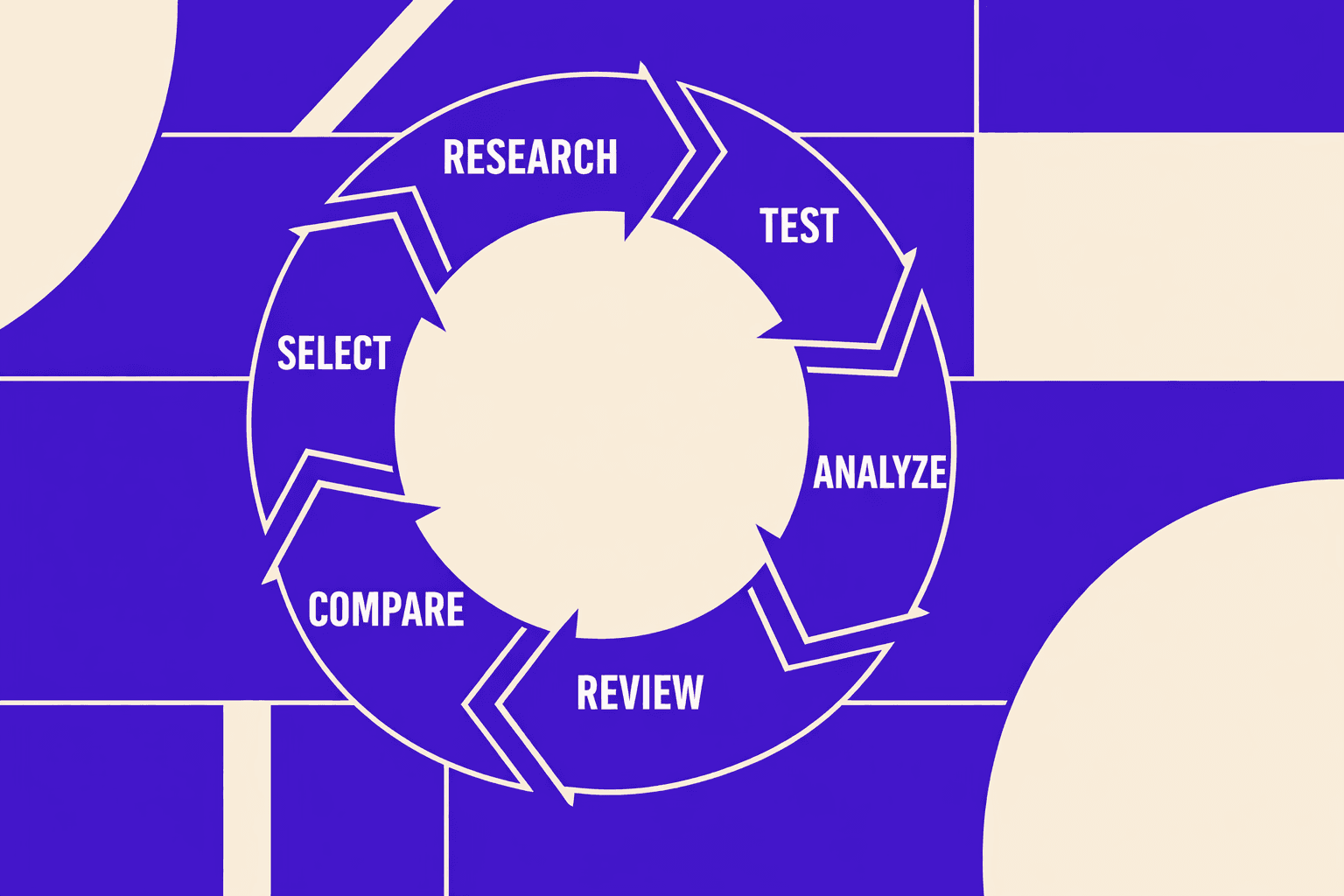
A repeatable workflow keeps a technical seo audit from turning into noise. Any seo audit tool can surface issues. The difference is how fast teams verify and ship fixes. This seo audit checklist follows four steps: crawl, confirm in Search Console, prioritize, then re-audit. For deeper automation ideas, see AI SEO Audit Tools Drive Technical SEO Results for Modern Teams.
Step 1 Identify crawl and indexation blockers
Start with a full crawl and export errors. Then confirm symptoms in Search Console. For example, a spike in “Crawled - currently not indexed” changes priorities fast.
Checklist focus:
- Indexability: robots.txt, meta noindex, x-robots-tag, 4xx/5xx
- Redirects: chains, loops, wrong 302s, mixed protocols
- Canonicals: missing, self-conflicts, cross-domain mistakes
Step 2 Validate technical SEO audit priorities
Use a lightweight scoring model before filing work. Severity comes first, then scale and business value.
Prioritization model:
- Severity: blocks crawling, indexing, or rendering
- Affected URLs: 10 pages vs 10,000 pages
- Revenue proximity: how close templates are to money pages
- Complexity: one-line rule vs code release
Research from Google shows that optimizing images can significantly reduce page weight, making performance triage both urgent and measurable.
Step 3 Translate issues into tickets and owners
Turn findings into tickets with owners and acceptance tests. For example, “Fix canonical tags” becomes “Set rel=canonical to the 200 URL.” Assign to Dev, CMS, or Content.
Fix categories to ticket:
- Internal linking: orphaned pages, broken nav paths
- Duplicates: parameters, faceted URLs, near-identical pages
- Core Web Vitals: LCP assets, JS bloat, image formats
- Structured data: invalid schema, missing required fields
Step 4 Recheck and measure impact
Re-crawl after release and compare diffs. Recheck Search Console coverage and enhancements. Then log wins by template, not by URL. For more advanced detection, reference AI Technical SEO Strategies for Instant Detection and Audit Automation.
Comparison Table for SEO Checker Features
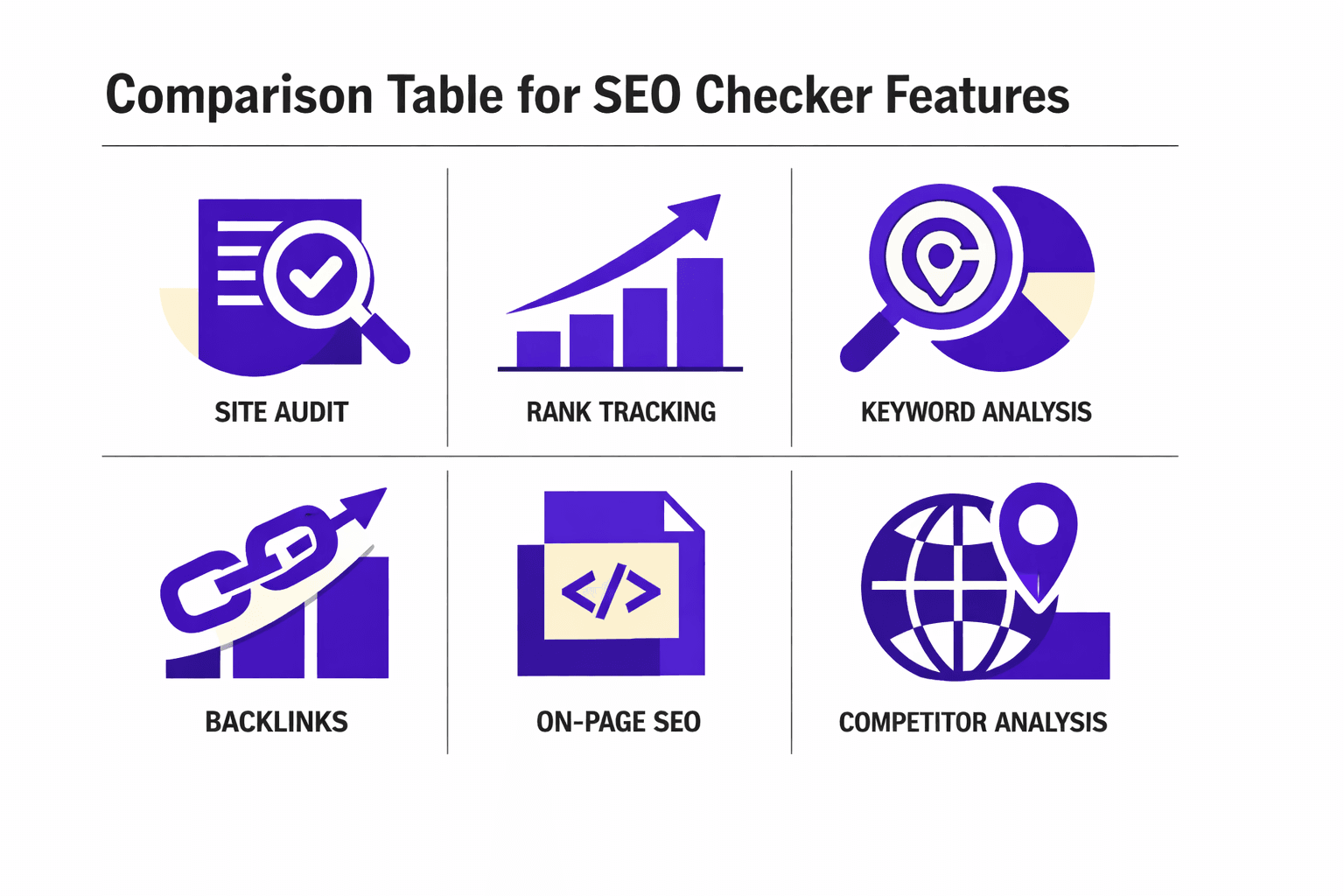
Which tool to pick by use case
- Best all-in-one: Semrush for audits plus workflow.
- Best deep technical crawler: Screaming Frog for edge cases.
- Best value: Sitebulb when explanations save engineering time.
- Best for reporting: Semrush for client-ready PDFs.
- Best baseline/free option: Search Console for reality checks.
Which SEO checker is best for technical issues? For a pure technical seo audit, Screaming Frog is the strongest seo audit tool. It finds redirect chains, canonicals, and index traps fast. For example, a JavaScript-heavy SPA often needs desktop crawling to see hidden URL states.
Ryte provides exportable templates that help teams implement technical fixes consistently. That makes the investment worthwhile for agencies managing multiple client sites. Without proper technical foundations, even advanced features deliver limited value (Ryte).
Verdict: Best seo audit tool by Use Case
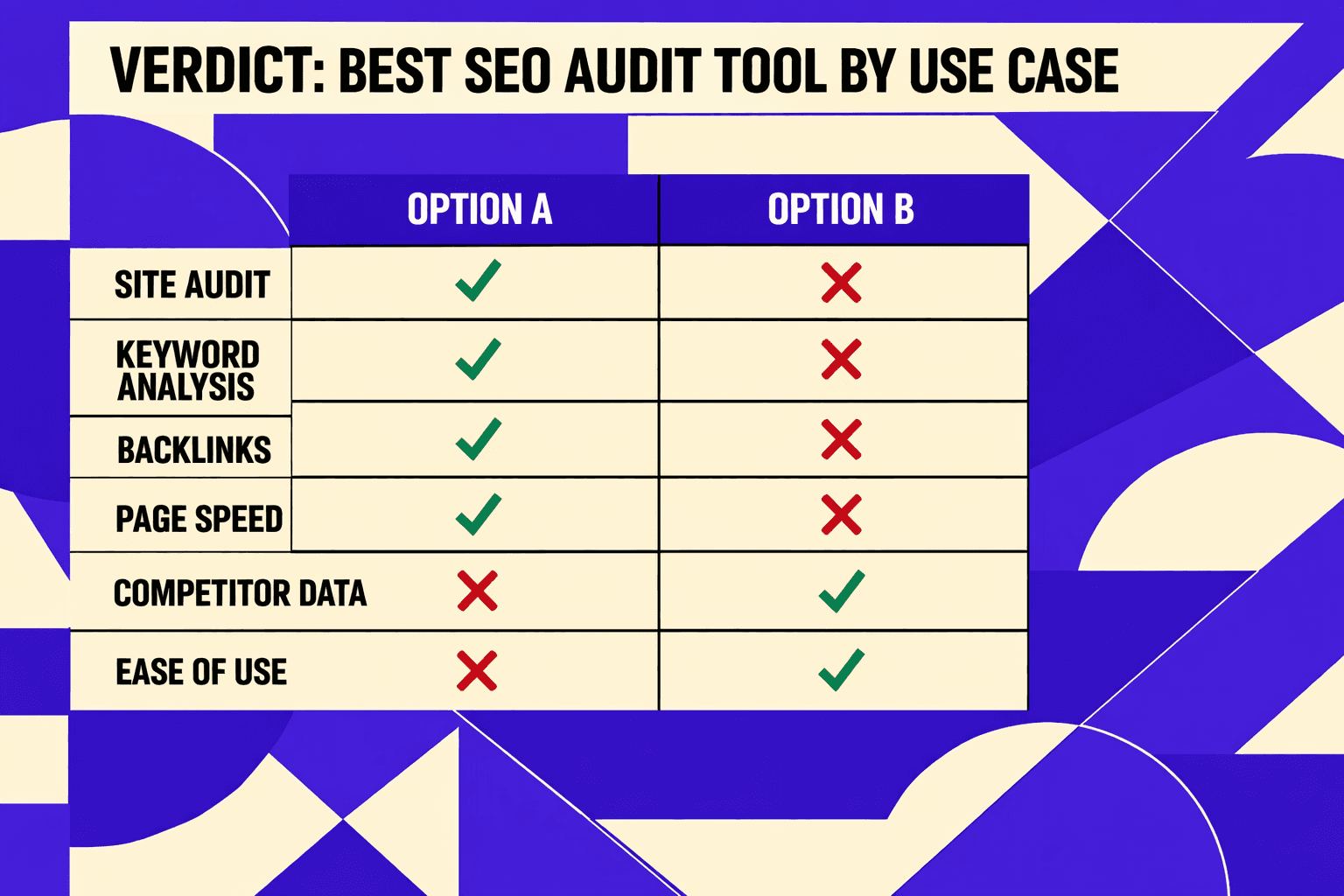
Choosing the right tool is only half the battle. The real gap most teams face is not finding issues - it's turning audits into execution.
The real gap is not finding issues. It is turning audits into execution. The winning workflow uses the same prioritization logic every time: confirm impact, size the affected URL set, map fixes to engineering effort, and assign an owner with a due date. That creates a backlog teams can ship, not a PDF that stalls.
Next steps are simple and measurable. Run one baseline audit, export the top issues, and align owners across SEO, dev, and content. Then set a monthly re-audit cadence to catch regressions early.
Teams that operationalize audits will out-ship teams that only diagnose.
Want to learn more? Learn More to explore how we can help.