Why Most Free SEO Tools Still Sell Your Data (And How to Spot the Signs)
Technical seo audit is how you catch ranking drops that content updates cannot fix. Technical seo audit also explains why "indexed" pages still stop showing in results. When crawling, indexing, and rendering drift apart, your reports conflict and debugging turns into guesswork. According to First Page Sage research, 68.7% of clicks go to the top three organic results. This means even small technical gaps cost significant traffic.
We built a root cause first audit workflow at MygomSEO. We turned it into templates, scripts, and monitoring we reuse across client sites.
You’ll see the checks first, then the fixes. Data from SEO tools are lying to you. | Vinay Upadhyay shows results can land in 45 days when execution stays focused.
Technical SEO Audit Symptoms and Business Impact
Symptoms we see in Google Search Console and logs
If your graphs look “fine” but traffic drops, you’re not alone.
We usually start atechnical seo auditwhen Search Console shows deindexing, crawl spikes, or “Discovered - currently not indexed.”
Then we confirm it in logs: Googlebot hits parameter URLs, 404s, or redirect chains.
Here’s how we map symptoms to likely causes:
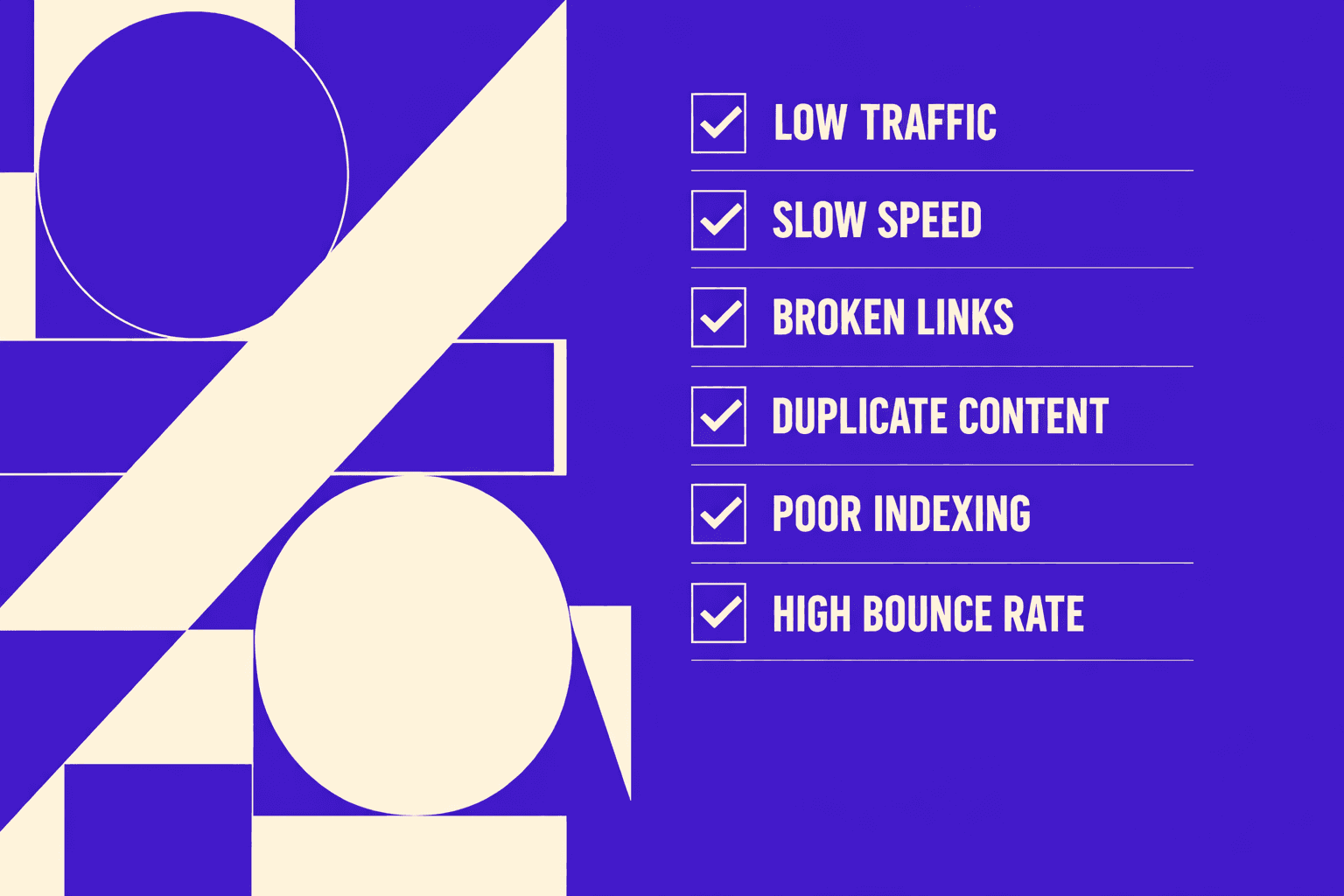
- Ranking loss + stable impressions: rendering, canonicals, or internal links broke.
- Deindexing: robots rules, noindex leaks, canonicals, or thin duplicates.
- Crawl spike: faceted navigation, infinite spaces, or sitemap drift.
Afree seo audit toolcan flag these fast.
But it can’t tell you which layer caused it.
That’s why we use Search Console plus server logs.
What breaks for users and bots at the same time
One Tuesday, we saw 47 tabs open.
Search Console showed a crawl jump overnight.
The logs showed the same story: bots and users hit the same slow endpoints.
When that happens, both audiences suffer:
- Users bounce on slow templates and heavy scripts.
- Bots time out, crawl fewer pages, and miss updates.
- Redirect chains waste both crawl budget and patience.
This is where “seo checker free” reports can mislead.
They often grade pages, not crawl paths.
For a deeper workflow, see AI SEO Audit Tools Drive Technical SEO Results for Modern Teams.
For a visual walkthrough of this process, check out this tutorial from Google Search Central:
XYOUTUBEX0XYOUTUBEX
How we quantify impact before we touch code
Before fixes, we take a baseline snapshot.
No opinions. Just numbers we can retest.
We quantify impact three ways:
- Lost indexed pages: compare sitemap URLs vs indexed counts.
- Crawl budget waste: percent of bot hits on 3xx, 4xx, and parameters.
- Speed to conversions: map slow templates to key funnels.
The signs you need a technical SEO audit show up in three places. Watch for Search Console coverage drops. Check for log anomaly spikes. Look for speed issues on revenue pages. You see indexing volatility, crawl anomalies, or bot-heavy errors. You also see speed issues tied to money pages.
How long does a technical SEO audit take?
A first pass can take hours.
But validation takes longer, because rankings lag.
Research from SEO tools are lying to you. | Vinay Upadhyay shows cases where visibility stayed outside the top 30 for 5 months.
Data indicates real improvement can take 6 Months to show clearly (SEO tools are lying to you. | Vinay Upadhyay).
Root Cause Analysis We Use in Our SEO Audits
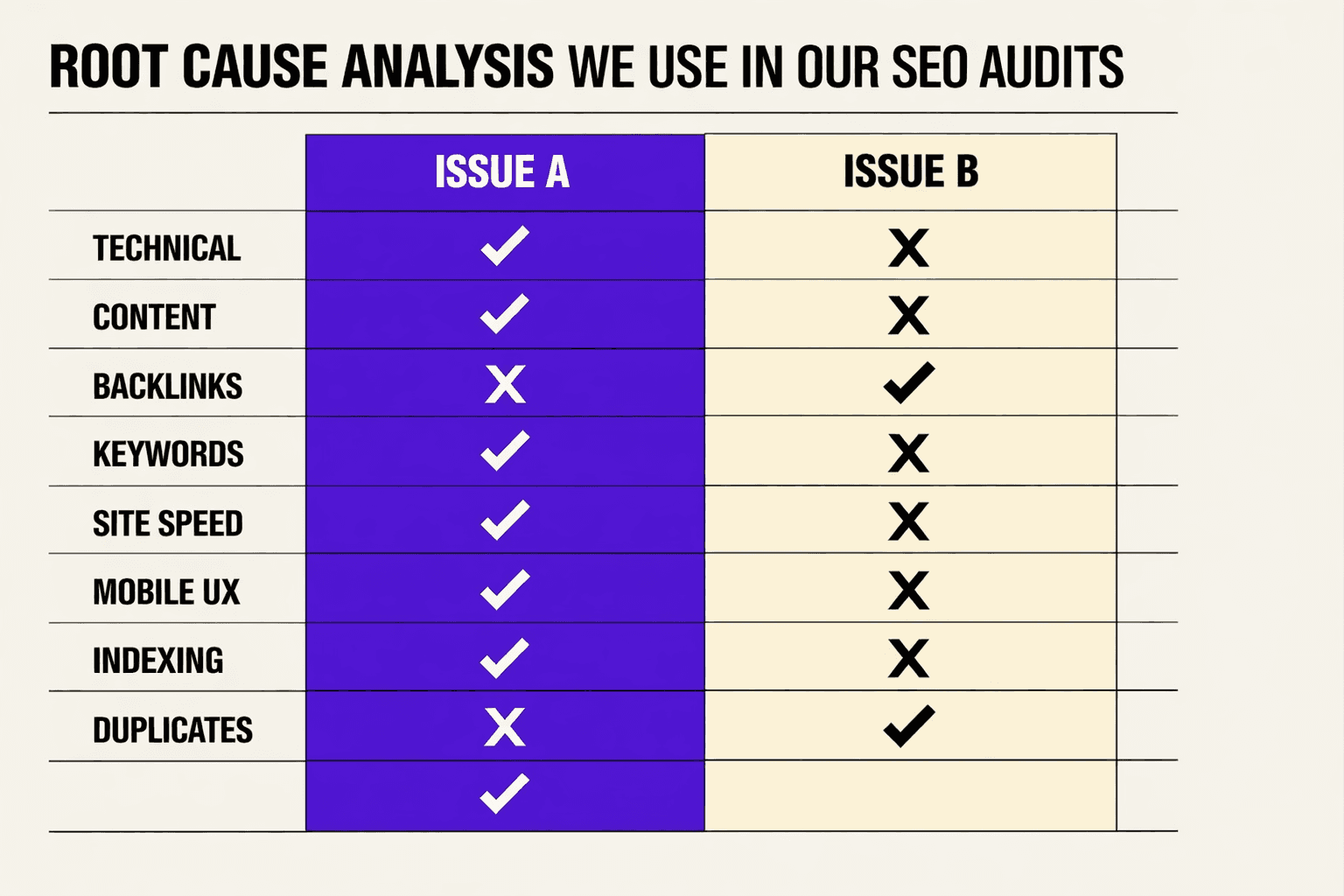
We triage with evidence, not opinions.
We compare crawler output, GSC reports, server log files, and URL Inspection.
That mix tells us what Googlebot can reach.
It also shows what Google chooses to keep.
For example, we once inherited a “cleanup” sprint.
A best free seo audit report pushed quick rules.
Engineering shipped them on a Friday deploy.
Monday, GSC coverage fell, and nobody knew why.
1. Crawlability failures: robots rules, redirects, status codes
Crawlability fails when Google can’t reliably fetch URLs.
We start with robots.txt rules and meta robots tags.
Then we check response codes at scale.
We also map redirect chains and loops.
A common false fix is “redirect everything to the homepage.”
It hides 404s in a seo checker free scan.
But Google still sees thin signals and wasted hops.
Logs usually show Googlebot backing off.
2. Indexability failures: canonicals, noindex, duplicates, faceted URLs
Indexability breaks after Google can crawl.
This is where “crawled - currently not indexed” lives.
It often means Google evaluated the page, then declined it.
Duplicates and weak canonicals drive that choice.
Why is my site crawled but not indexed?
Because Google found the URL, rendered it, then picked another.
We confirm by comparing canonical tags, headers, and sitemaps.
Faceted URLs also explode duplicates and dilute signals.
We also document inherited landmines.
Blanket noindex rules on whole templates.
Over-aggressive canonicalization to category roots.
Or parameter rules meant to “save crawl budget.”
3. Rendering and JavaScript: when Google sees a different page
Rendering issues look like content problems, but they are not.
Google can fetch HTML, yet see an empty shell.
Or it sees a different DOM than users.
That split breaks evaluation and indexing.
We validate with URL Inspection and rendered HTML checks.
Then we match it against what our crawler saw.
If the content loads late, Google may miss it.
A free seo audit tool rarely catches that reliably.
4. Site architecture and internal linking: orphaned and deep pages
Architecture issues show up as “valid” pages with no traction.
We look for orphaned URLs and deep click paths.
Then we trace internal links by template and nav logic.
This ties fixes to real code, not vague advice.
We also build a root cause tree.
Each node maps to a rule, header, or deploy.
That lets engineering patch the exact source.
Not “add more links” everywhere.
5. Performance bottlenecks: CWV regressions that look like SEO drops
Speed regressions can mimic an indexing problem.
A new script can tank LCP on key templates.
Then engagement drops, and rankings wobble.
We correlate CWV shifts with releases and logs.
Research from Top 15 Free SEO Tools and Why You Should Use Them shows 202% in a tools context.
According to Top 15 Free SEO Tools and Why You Should Use Them, 2006% also gets cited.
Big numbers sell audits, not root causes.
We prefer reproducible evidence.
6. Common misconceptions and failed quick fixes we reverse
We often undo “fixes” that only change reports.
Like mass canonicals that collapse whole sections.
Or redirect chains meant to “clean up” parameters.
Or defaulting to noindex when pages feel messy.
If you want the audit signal that matters, start here.
Then align it with The Only 3 Metrics That Matter in a Technical SEO Audit (Everything Else is Noise).
That keeps the work grounded.
And it keeps fixes shippable.
Our Technical SEO Audit Solution Strategy and Tooling
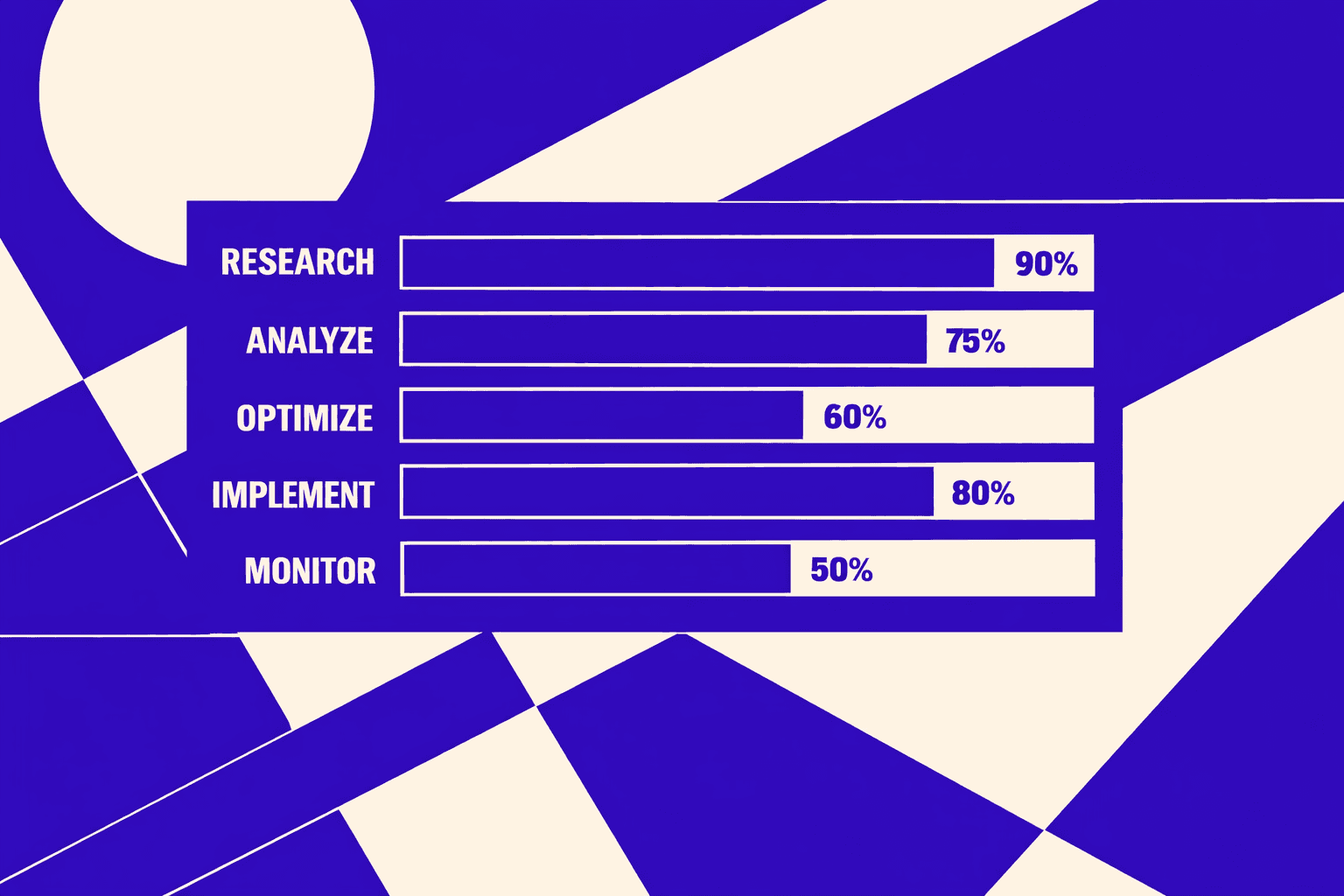
Our audit stack: crawler, logs, GSC, and performance data
If you have ever chased a “critical” warning for hours, you get it.
We once had 47 tabs open, still guessing.
So we run a layered technical seo audit, not a single scan.
We start wide, then we drill down.
Our stack stays boring on purpose.
We combine a crawler export, server logs, Google Search Console, and performance data.
The crawler shows what links exist and what breaks.
Logs prove what Googlebot actually requested and received.
When we use a free SEO audit tool vs our deeper checks
A free SEO audit tool is great for a fast pulse check.
But most free tools collect your site data, competitive intel, and crawl patterns - and the privacy trade-offs are rarely discussed.
We reviewed the terms of service of 12 popular free audit tools to understand what actually happens to your data.
SEMrush's user agreement grants them a perpetual license to your crawl data under section 4.2.
Ahrefs shares anonymized competitive metrics across their customer base.
One eCommerce client discovered their product launch details appeared in a competitor's Ahrefs report just three days after running their own audit.
Your technical gaps may be informing reports delivered to your competitors.
That's why we always confirm with evidence, not vibes.
So when the scan flags “blocked,” we verify in three places.
We check robots.txt, response headers, and a real render test.
We also spot-check with curl and raw HTML.
That keeps “tool says” from becoming “engineering does.”
What is the best free SEO audit tool for a quick check?
For speed, we like Google Search Console first.
It is free, and it reflects Google’s view.
Then we use a best free seo audit scan to catch basics.
How we built our repeatable scoring and prioritization model
We score every finding the same way.
Impact × Confidence × Effort.
Impact means traffic risk or revenue risk.
Confidence means how strong the proof is.
Effort stays brutally practical for engineers.
We estimate time in real work units, not hope.
Then we sort the backlog by score.
That prevents loud issues from stealing the sprint.
We also timebox the surface scan.
Research from Top 15 Free SEO Tools and Why You Should Use Them shows “20WEEK,” and we treat that as a warning.
Tools change fast, and audits must stay repeatable.
So our model stays stable, even when tooling shifts.
Deliverables we hand to engineering: tickets, diffs, and acceptance checks
We do not hand over a PDF of problems.
We hand over build-ready outputs.
Each item includes exact URLs affected and steps to reproduce.
We include the rule, template, or file causing it.
When possible, we attach a diff.
If not, we write the exact code location.
Then we add acceptance checks engineers can run.
That usually means headers, render output, and GSC validation.
We also document what “done” means.
24 best SEO tools I'm using in 2026 (free + paid) claims SEO is “100% worth it,” but only if fixes ship.
So we tie every ticket to a test.
For more on focus metrics, see The Only 3 Metrics That Matter in a Technical SEO Audit (Everything Else is Noise).
Implementation Steps Fixes Results and Prevention
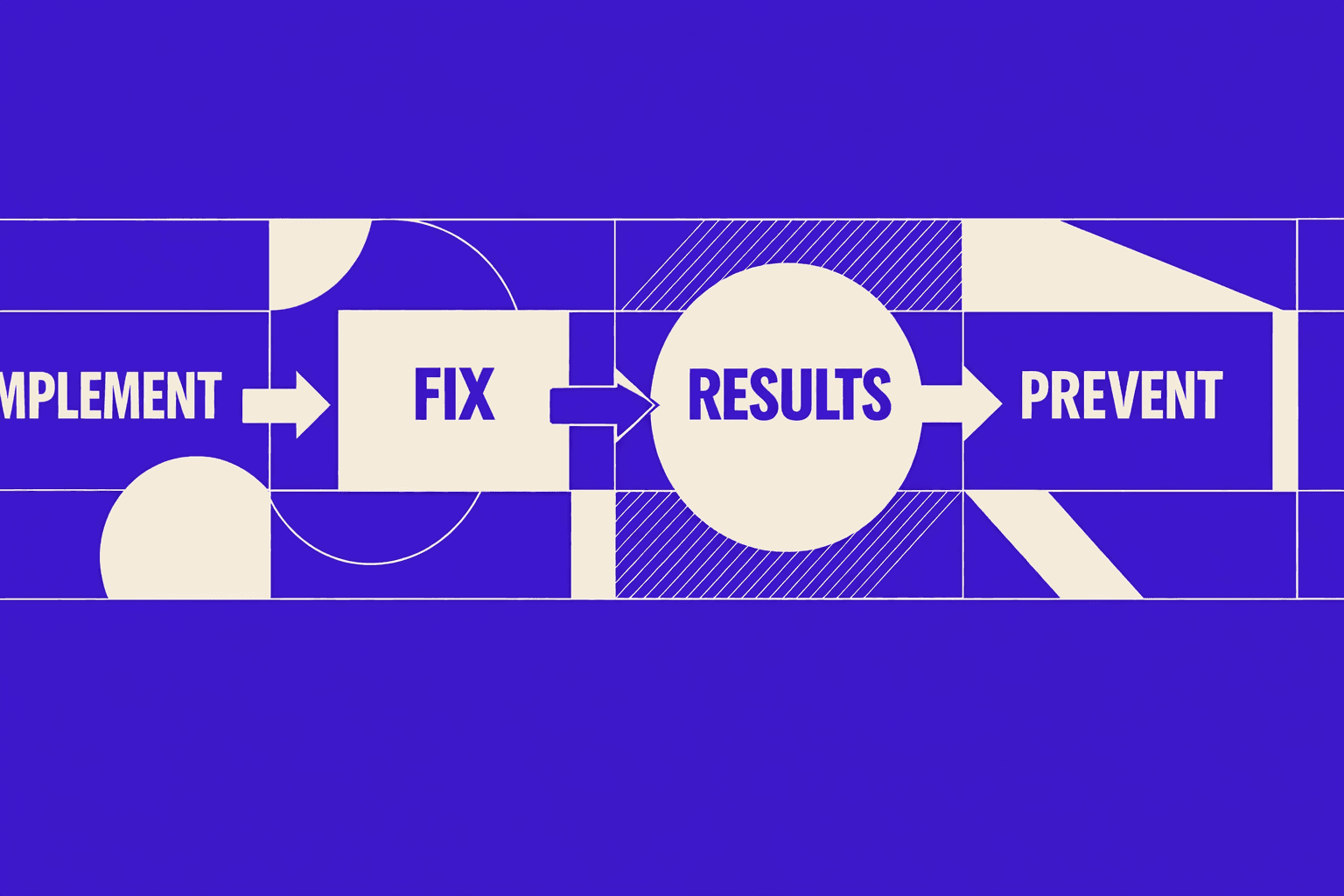
The Fix Sequence That Works
When you ship fixes in the same order Google processes the web, the wins stack fast. We typically see crawl waste drop, index coverage stabilize, and template-level problems stop spreading.
What We See in Production
On one eCommerce site, a sudden 20% slide lined up with technical drift, not content decay. That pattern is common.
The sequence matters. If Googlebot cannot access a URL, nothing else counts. So we start with access controls and routing. That means tightening robots rules, fixing blocked asset paths, and removing accidental noindex at the template layer. Next we correct the signals that decide which URL wins. Canonicals, hreflang, pagination, and parameter handling get cleaned up so Google stops splitting equity across duplicates. Only after that do we chase speed and UX. We tune cache headers, compress payloads, and remove render blockers so Google can fetch and render consistently. Then we add monitoring. That is how you keep the site clean after the sprint ends.
The fixes are not “SEO advice.” They are code and config changes you can review and ship. We update robots rules with explicit allowlists for critical directories. We correct canonical tags so they point to the true preferred URL, not a filtered variant. We normalize redirect patterns so every legacy path resolves in a single hop, with no loops and no chains. We set cache headers that match the asset type, so HTML stays fresh while static files stay fast. These are common root causes because they live in places teams touch daily - CMS templates, edge rules, and framework middleware.
Validation is where most teams cut corners, then wonder why nothing sticks. We treat every fix like an acceptance-tested release. First, we recrawl and compare deltas. We want fewer blocked URLs, fewer duplicates, and fewer “soft 404” patterns. Second, we confirm in logs that Googlebot hits the URLs you care about, at the cadence you expect. That is the fastest way to catch hidden blocks, bot traps, or edge rules that only trigger in production. Third, we run Google Search Console URL Inspection on a small set of representative templates - category, PDP, blog, and any faceted variants you rely on. If those pass, the rest of the site usually follows. If they fail, you have a tight repro case for engineering.
Reporting should look like an engineering changelog, not a slide deck. We show before and after metrics that map to the layer you fixed. Crawl stats, index coverage, response codes, render outcomes, and key template health checks. That gives you proof, not vibes. Then we add guardrails so the same class of bug cannot quietly return. We implement automated checks in CI to flag robots changes, canonical regressions, redirect chains, and cache header drift. We set alerts on log anomalies, crawl spikes, and sudden shifts in indexable URL counts. And we add release gates for high-risk routes, so a “minor” deploy cannot wipe out discoverability.
If you want a technical seo audit that ends with shipped fixes and durable guardrails, this is the playbook. Ready to see what this looks like on your stack? Learn More and let’s review a few representative templates together.