Knowledge Base

SEO
Engineering
Log

Technical deep dives into search algorithms, rendering performance, and the future of the web.

Latest Articles

AI Agent SEO Automation: How to Build a Self-Running Technical Audit Workflow in 2026
Article

AI Agent SEO Automation: How to Build a Self-Running Technical Audit Workflow in 2026

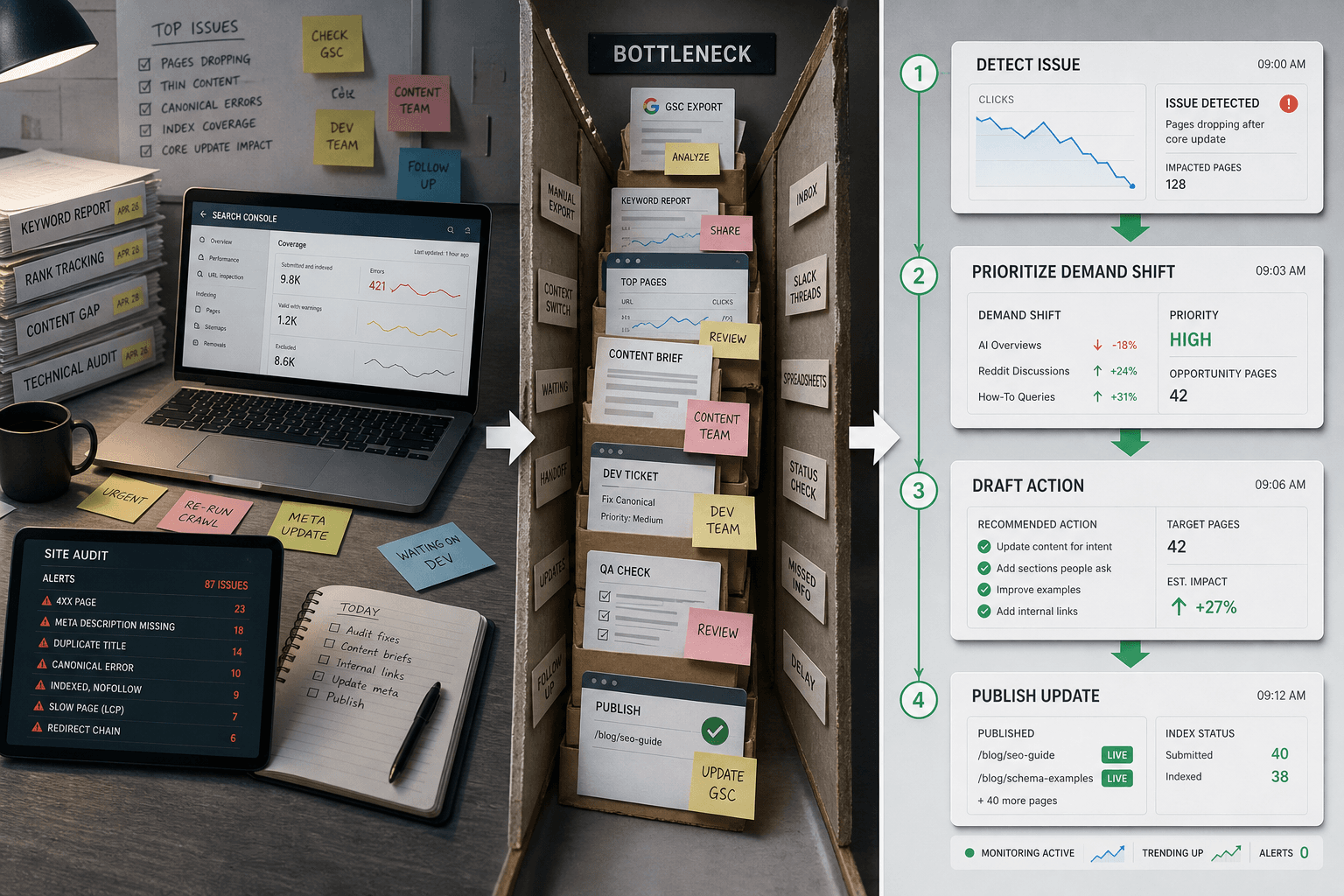
You can run ai agent seo audits on a schedule without buying another dashboard. In this guide, you’ll build a practical automation workflow that pulls key signals, flags regressions, and ships a clean report every week. You’ll start with prerequisites and a minimal architecture, then wire an agent runner (OpenClaw or similar) to your crawl, Search Console, and rank data. Next, you’ll define audit checks that actually catch production issues: indexability, canonicals, redirects, templates, Core Web Vitals proxies, and content changes. Then you’ll automate keyword tracking and summarize results into a client-ready report with clear pass fail outcomes. By the end, you should have a repo you can reuse across clients, a single command to run the full audit, and a cron or CI schedule that posts results to Slack or email. You’ll also get a troubleshooting checklist for the usual failures like API quotas, crawl explosions, and noisy diffs.

Mygom Seo
Mygom Seo
Why AI Search Systems (ChatGPT, Perplexity) Are Changing Technical SEO in 2026
Article

Why AI Search Systems (ChatGPT, Perplexity) Are Changing Technical SEO in 2026

SEO is no longer a single-game ecosystem. Google still matters, but AI search engines are quietly taking share in the moments that drive revenue: discovery, comparison, and “just tell me the answer” queries. The problem is most teams keep shipping traditional SEO playbooks and hoping AI systems will “figure it out.” They won’t. We built MygomSEO to test how AI crawlers actually fetch, render, and summarize pages. Then we turned those findings into repeatable technical checks, structured data patterns, and engineering-grade audits that dev teams can implement fast. In this article, we lay out what changed, what we measured, what broke, and what worked. We’ll show how AI bots crawl differently, which technical signals most affect AI answers, and how we structure content and schema so models can quote us accurately. If you’re serious about visibility in AI answers, you need a different set of failure modes, logs, and QA gates than classic rankings-first SEO.

Mygom Seo
Mygom Seo
OpenClaw for SEO: How to Automate Technical Audits with AI Agents
Article

OpenClaw for SEO: How to Automate Technical Audits with AI Agents

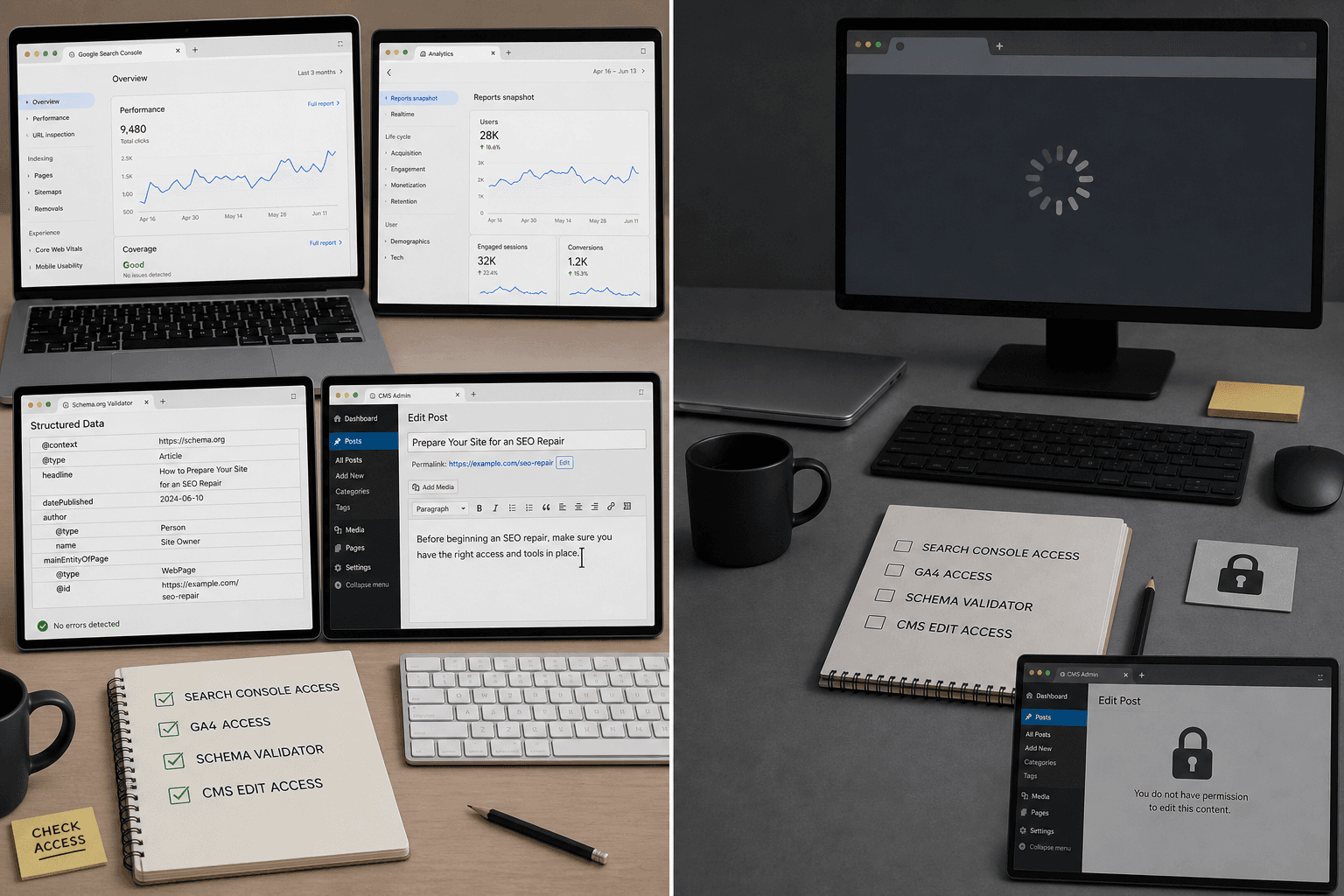
You can use OpenClaw SEO automation to turn repetitive technical SEO work into a repeatable system you run on a schedule. Instead of manually checking crawl errors, indexability, redirects, canonicals, and on-page issues every week, you’ll configure an AI-driven workflow that audits your site, produces a prioritized fix list, and helps you verify improvements after changes ship. In this how-to guide, you’ll set up your OpenClaw environment, connect the data sources your audits depend on, run your first automated crawl and analysis, and then verify results using clear checkpoints. You’ll also add guardrails so an AI agent can recommend changes without creating risk for production pages. By the end, you should have (1) a working audit run that completes end-to-end, (2) a backlog of issues grouped by impact and effort, and (3) a simple reporting loop that shows measurable SEO progress week over week.

Mygom Seo
Mygom Seo
5 Best Tools to Check If Your Site Shows in Google AI Overviews (2026)
Article

5 Best Tools to Check If Your Site Shows in Google AI Overviews (2026)

AI Overviews are changing how visibility is earned and measured in Google. For SEO and content teams, the immediate need is simple: confirm whether a query triggers an AI Overview, document what sources are cited, and track changes over time without spending hours in manual spot checks. This listicle compares nine practical options that help professionals check Google AI Overviews, monitor citations, and turn findings into content optimization actions. Each tool is evaluated using the same criteria: AI Overview detection reliability, tracking frequency, SERP feature coverage, reporting and exports, competitor analysis support, and total workflow fit for ongoing overview tracking. Readers will leave with a short list of best-fit tools by use case (solo consultant, in-house team, agency), plus a repeatable workflow to validate data and avoid false positives when AI Overview layouts shift.

Mygom Seo
Mygom Seo
Why Your Technical SEO Audit Needs a Human Touch (Even With AI Tools)
Article

Why Your Technical SEO Audit Needs a Human Touch (Even With AI Tools)

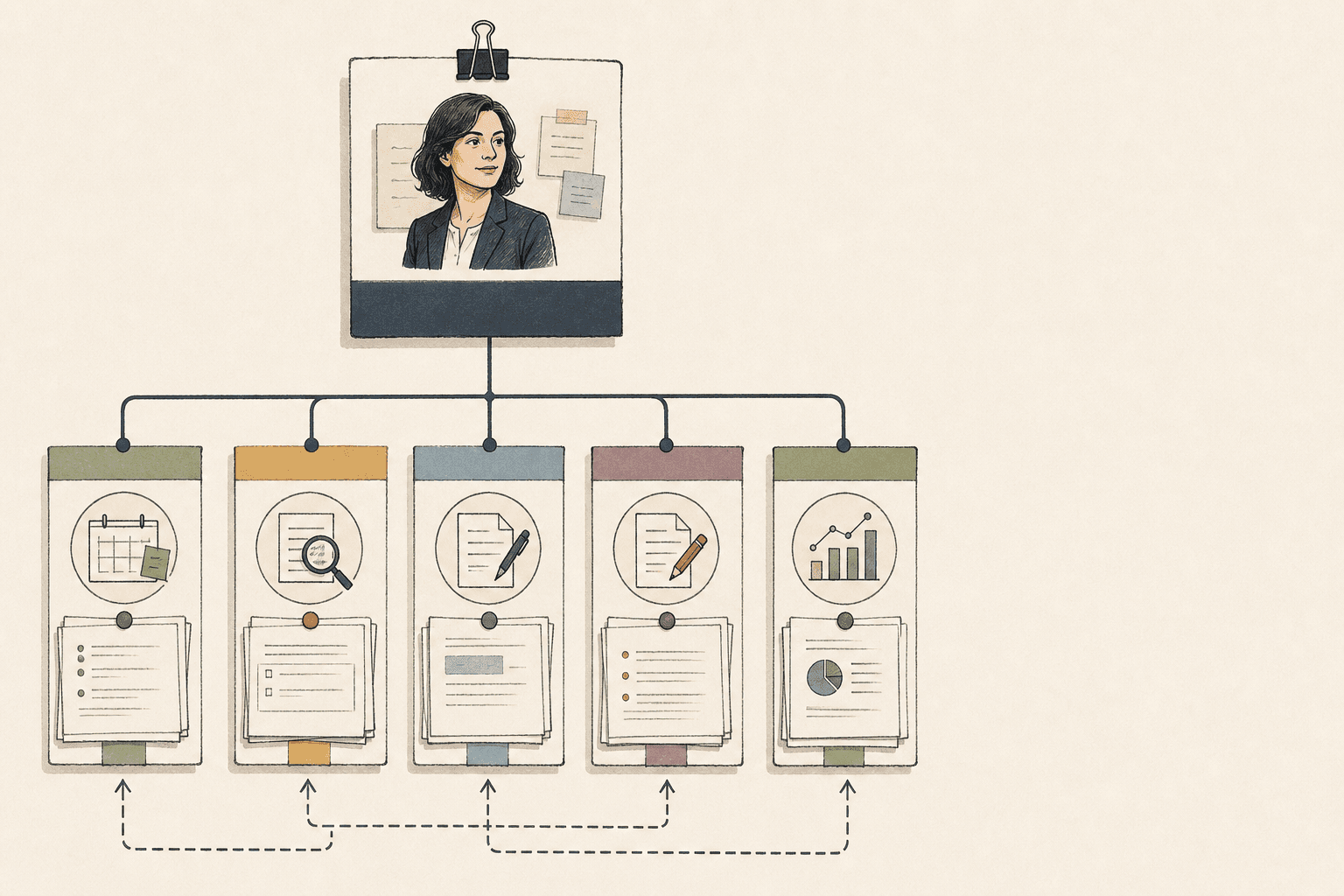
Most teams treat an SEO audit like a quarterly ritual: export a report, paste it into a spreadsheet, and hope someone fixes it. That model is broken. In our experience, the real constraint isn’t finding issues. It’s turning findings into engineering-ready work, prioritizing by business impact, and proving the outcome. In this article, we share why we built our own seo audit tool at Default Company, what we learned from deploying it across real websites, and the specific implementation choices that moved the needle. We’ll walk through the current state of audits (why “more checks” doesn’t equal better SEO), how we combined a technical seo audit with AI-assisted triage, and how we used a free-like entry layer without falling into the “seo checker free” trap. If you lead marketing, product, or engineering, this is a forward-looking playbook for making SEO operational: measurable, shippable, and resilient as search shifts toward AI-driven experiences.

Mygom Seo
Mygom Seo
How to Catch Hidden Redirect Chains Before Googlebot Does
Article

How to Catch Hidden Redirect Chains Before Googlebot Does

You can’t improve what you don’t measure, and SEO is no exception. In this tutorial, you’ll use an seo audit tool to build a repeatable workflow that finds issues, explains what they mean, and turns them into a prioritized fix list you can ship. You’ll start with the simplest working version: connect your site’s data sources and run a baseline scan. Then you’ll level up into a technical seo audit that focuses on crawlability, indexation, performance, and structured data—without getting lost in vanity scores. You’ll also learn how to validate fixes with lightweight testing so you don’t accidentally break search traffic. By the end, you’ll have a practical audit process you can run monthly, a clear handoff format for stakeholders, and a deployment checklist that helps you move changes to production safely and measurably.

Mygom Seo
Mygom Seo
SEO Audit Tools Aren’t One - Size - Fits - All: What Works for Agencies vs. Developers
Article

SEO Audit Tools Aren’t One - Size - Fits - All: What Works for Agencies vs. Developers

An seo audit tool can reveal why a site is losing rankings, wasting crawl budget, or missing easy technical wins. But “best” depends on what needs fixing: deep crawling, on-page checks, reporting for stakeholders, or ongoing monitoring across many sites. This comparison breaks down three widely used options—Ahrefs, Screaming Frog, and Semrush—using the same evaluation criteria so professionals can make a confident, defensible choice. It focuses on what matters in real workflows: technical coverage, data quality, speed, reporting, integrations, learning curve, and total cost. Readers will also get scenario-based guidance (agency vs in-house vs solo) and a practical workflow for running a technical SEO audit efficiently, including where a seo checker free option fits without replacing a full platform.

Mygom Seo
Mygom Seo
Why Your Technical SEO Audit Should Start With HTTPS (Not Content)
Article

Why Your Technical SEO Audit Should Start With HTTPS (Not Content)

Most teams don’t have an SEO problem. They have a feedback-loop problem. Traditional audits are slow, siloed, and built to produce reports instead of fixes. That’s why we built our own SEO audit tool: to turn SEO from a quarterly “health check” into an always-on engineering workflow. In this article, we share what we believe the market gets wrong about audits, what’s happening right now in technical SEO automation, and how we implemented an audit system that developers actually use. We’ll walk through the architecture we chose, the signals we prioritize, and how we connected findings to tickets, owners, and deploys. We’ll also share the impact we’ve seen with clients: faster time-to-diagnosis, fewer regressions, and clearer ROI tied to releases instead of guesswork. Finally, we’ll address the skepticism head-on—when a free SEO checker is enough, when a full technical SEO audit still matters, and where audit tooling is heading next.

Mygom Seo
Mygom Seo
The 5 Most Overlooked SEO Signals in Your Site’s HTTP Headers
Article

The 5 Most Overlooked SEO Signals in Your Site’s HTTP Headers

Choosing the right seo audit tool can determine whether technical issues get fixed fast or linger for months. With multiple platforms promising “all-in-one” insights, teams often end up paying for features they do not use or missing developer-ready diagnostics they actually need. This listicle compares nine leading options using consistent criteria: crawl depth and accuracy, technical seo audit coverage, reporting and prioritization, collaboration for seo for developers, integrations, and overall value. It is designed for quick scanning and practical selection, not vendor hype. Readers will see which tools excel at site crawling, Core Web Vitals checks, indexability and render diagnostics, and ongoing monitoring. A side-by-side comparison table highlights the best fit for freelancers, in-house marketers, and engineering-led teams. The goal is simple: pick a tool that makes each seo technical check actionable and easy to validate before deployment.

Mygom Seo
Mygom Seo