Knowledge Base

SEO
Engineering
Log

Technical deep dives into search algorithms, rendering performance, and the future of the web.

Latest Articles

7 SEO Tasks Founders Should Automate Before Hiring a Bigger Team
Article

7 SEO Tasks Founders Should Automate Before Hiring a Bigger Team

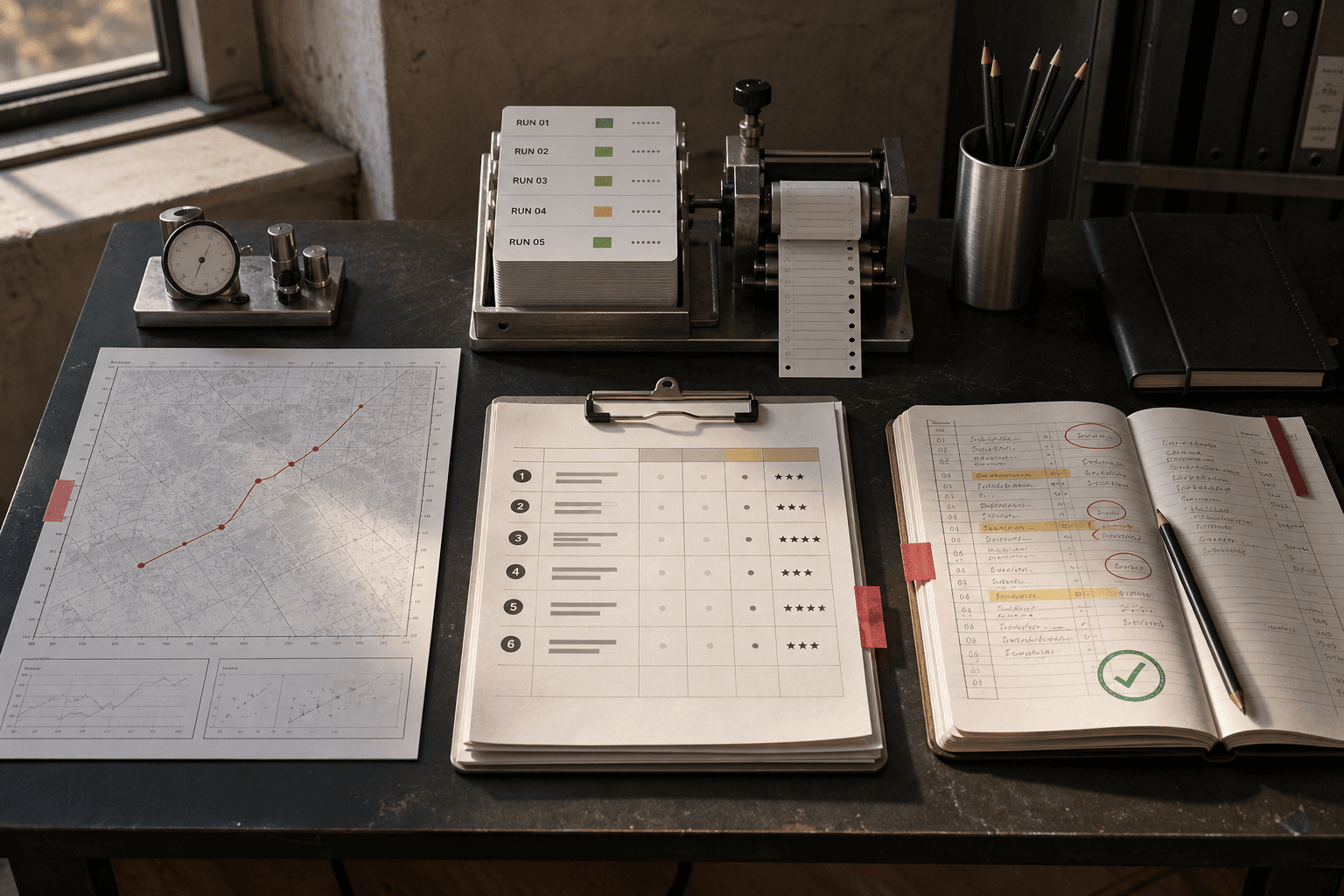
Small business SEO gets expensive fast when founders and lean teams try to do everything by hand. The problem is not effort. It is task selection. Some SEO work is low risk and highly repeatable, which makes it perfect for automation. Other work still needs a human brain because one wrong shortcut can create thin content, brand damage, or messy site structure. This listicle shows the 11 SEO and content tasks that are safest and most valuable to automate first. Each pick is ranked using the same lens: impact on traffic, time saved, setup difficulty, quality control risk, and how useful it is for early-stage SaaS teams with limited headcount. The goal is simple. Help founders automate the boring parts first, keep humans on strategy, and avoid the common trap of over-automating too early. Readers will get a clear shortlist, a side-by-side comparison, and a fast verdict on what to automate now versus later.

Mygom Seo
Mygom Seo
How to Turn One Keyword Into a Blog Post, Social Thread, and CMS Draft in a Single Workflow
Article

How to Turn One Keyword Into a Blog Post, Social Thread, and CMS Draft in a Single Workflow

Social media automation sounds simple until you try to connect strategy, writing, approvals, scheduling, and publishing in one clean workflow. Most teams still do it manually. That means wasted time, inconsistent posting, and way too much copy-pasting between tools. In this tutorial, you’ll build a practical system that starts with one keyword and turns it into a multi-channel content engine. You’ll map the workflow, create reusable content inputs, use an ai social media manager to speed up drafts, add content repurposing rules for each channel, and connect cms publishing so your blog and social posts stay aligned. You’ll also learn how to test the workflow before it goes live, avoid common automation mistakes, and ship a setup your team can actually maintain. The goal is not more tools. It’s less busywork and faster publishing. By the end, you’ll have a working social media automation process you can reuse every time a new keyword enters your content pipeline.

Mygom Seo
Mygom Seo
Free SEO Checker vs Full Website Audit: What You Actually Need First
Article

Free SEO Checker vs Full Website Audit: What You Actually Need First

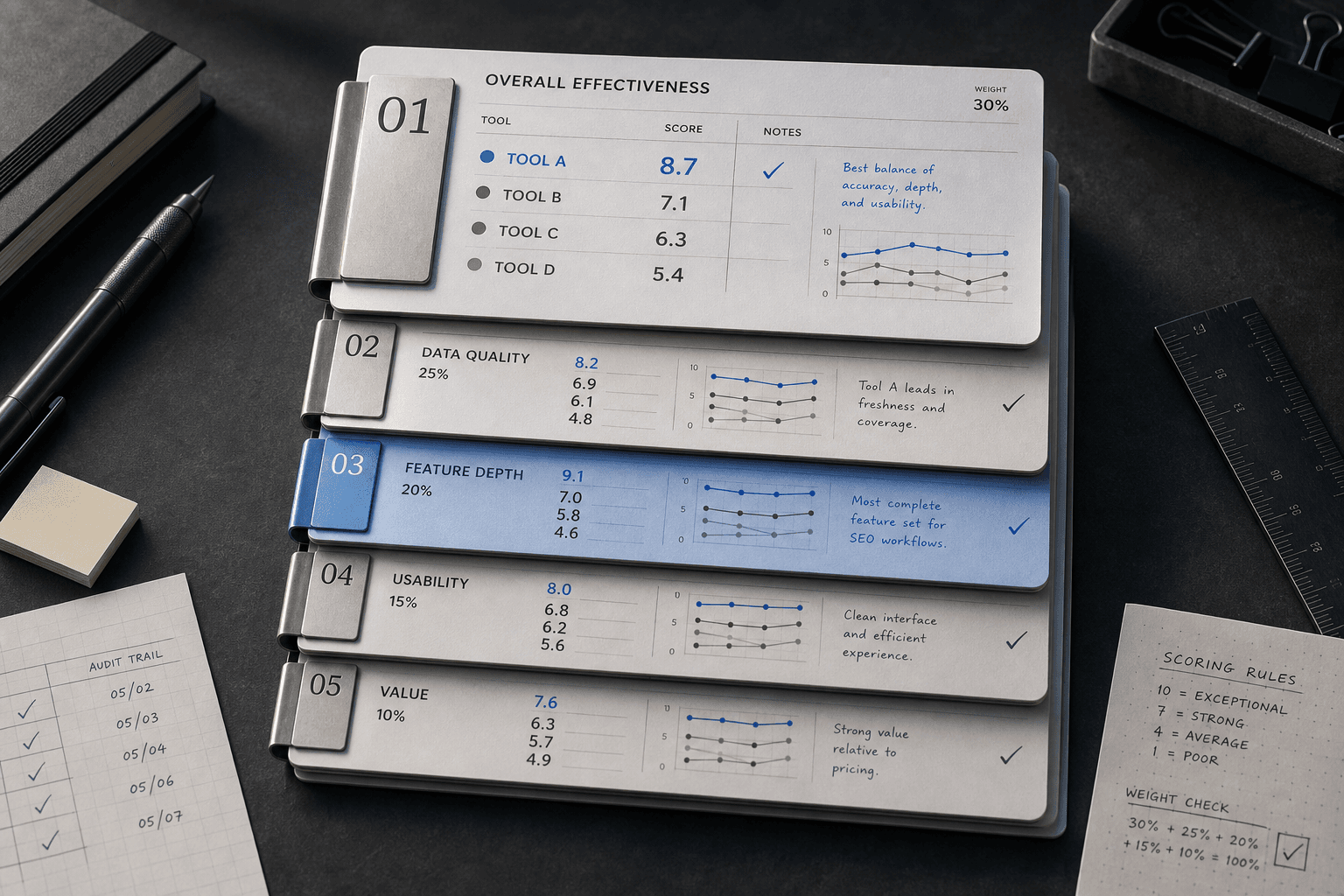
Choosing an seo audit tool sounds simple until a startup team hits the real question: is a fast scan enough, or is deeper technical analysis worth the extra time and cost? Early-stage teams usually do not need everything at once. They need the right level of insight for their current site, team size, and growth stage. That is where many buying guides fall short. They list features, but they do not explain when a lightweight website audit works and when a technical seo audit becomes necessary. This comparison fixes that. It evaluates both paths using clear criteria such as speed, depth, ease of use, reporting value, and best-fit use cases. It also highlights the common pain points teams run into with each option. By the end, readers will know whether a quick site audit can cover the basics or whether deeper diagnostics are the smarter move before traffic, content, and technical debt scale up.

Mygom Seo
Mygom Seo
Why ‘More Content’ Is the Wrong Fix for Flat Traffic
Article

Why ‘More Content’ Is the Wrong Fix for Flat Traffic

Content strategy is not failing because marketers suddenly forgot how to write. It is failing because too many SaaS teams treat publishing like progress. We see the same pattern again and again: teams ship blog posts, wait for traffic, then blame content when leads never show up. But the real problems are usually weaker and less visible. Distribution is an afterthought. Technical SEO creates friction. Internal links are thin or random. Keyword targeting is based on guesswork instead of clear search intent. That is where performance breaks. In this article, we take a contrarian view. We argue that most content strategy problems are really execution system problems. We share what we built, how we approach automated publishing and optimization, what we learned from client accounts, and why SEO traffic grows faster when content, technical SEO, keyword tracking, and distribution work as one engine. If your team keeps publishing but not compounding, this is the reset.

Mygom Seo
Mygom Seo
AI Agent Use Cases Demand AgentOps Not MLOps Today
Article

AI Agent Use Cases Demand AgentOps Not MLOps Today

AI in digital marketing is no longer just about faster copy, better ad targeting, or easier reporting. It is becoming operational. Agents now write, publish, monitor, and recover across real marketing workflows, and that changes the risk model completely. Too many teams still govern these systems like predictable software. We think that is the first mistake. Traditional automation followed fixed rules. AI agents do not. They make decisions across tools, content, and workflows with far less determinism. That is exactly why old MLOps thinking breaks down for modern SEO and content operations. In our experience building systems for SMB content teams, the real challenge is not generating output. It is controlling behavior, proving reliability, and adding guardrails without killing speed. In this article, we make the case for AgentOps as the missing operating model for agent-led SEO. We also show what we have built, what results matter, where skepticism is valid, and how teams can scale safely before agent sprawl becomes the next major marketing problem.

Mygom Seo
Mygom Seo
AI Overviews, GEO, and Organic SEO: What Actually Changes for SMB Teams
Article

AI Overviews, GEO, and Organic SEO: What Actually Changes for SMB Teams

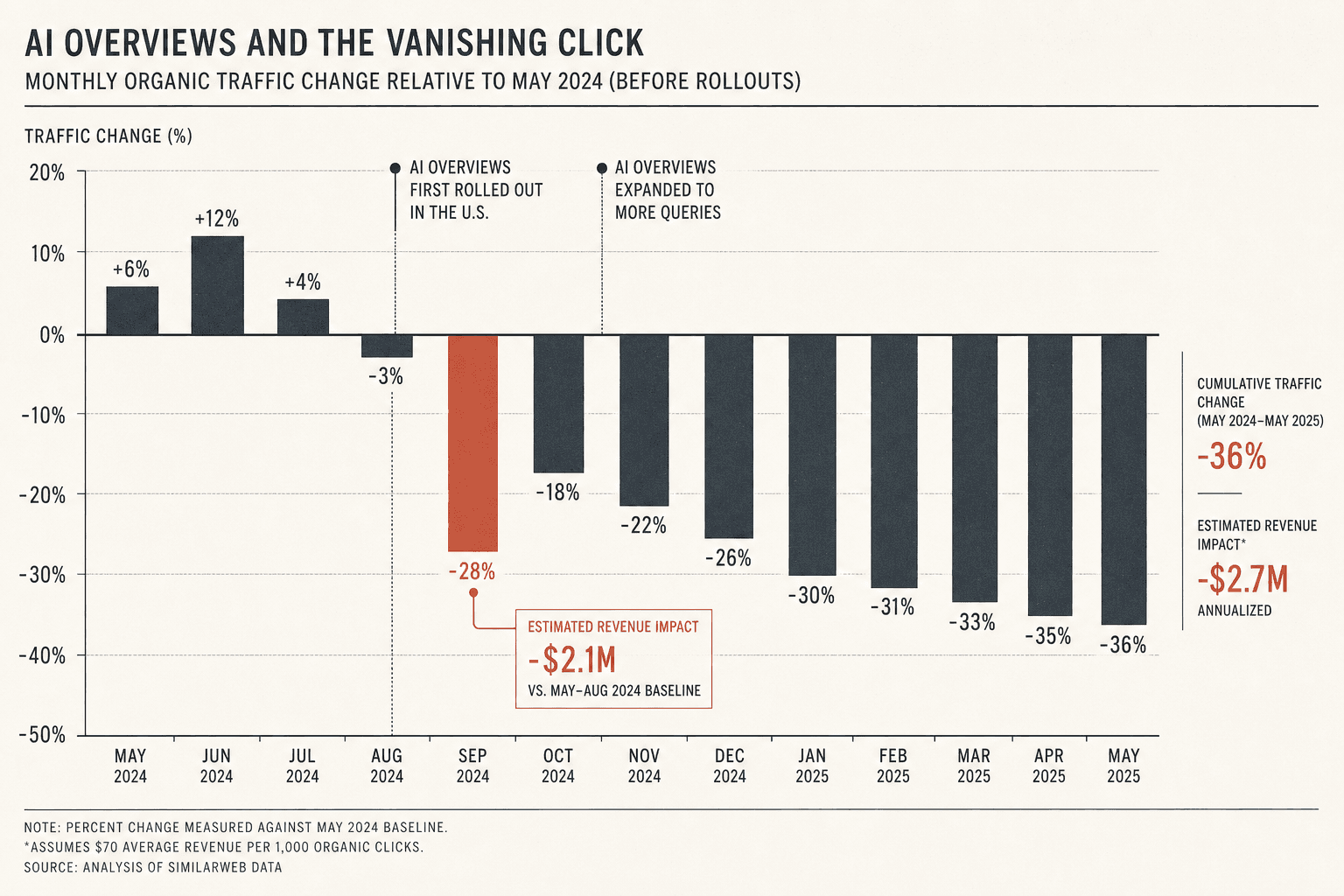
AI Overviews are no longer a side feature. They are changing how users discover answers, how clicks get distributed, and how smaller SaaS teams need to think about search. We are seeing the shift firsthand across our own content systems, publishing workflows, and client campaigns. Pages that once relied on blue-link rankings alone now need clearer structure, stronger entity signals, tighter topical coverage, and better answer formatting to stay visible. In this update, we break down what changed, what it means for organic SEO, and where GEO fits in without the hype. We also share how we built our response inside our workflow, what signals we now prioritize, and the impact we are seeing for smaller teams that need practical moves now, not theory later. If you are wondering whether AI Overviews will reduce clicks, change content strategy, or force a full rewrite of your SEO playbook, this outline gives you the fast, useful version.

Mygom Seo
Mygom Seo
What Your Content Analyzer Should Catch Before You Hit Publish
Article

What Your Content Analyzer Should Catch Before You Hit Publish

On page SEO can win or waste a publish day before a post ever goes live. For SaaS teams and founders, the biggest gains often come from a simple pre publish review, not another rewrite after traffic stalls. This outline frames that review as a fast, practical checklist built for better post launch performance. The article focuses on the checks that matter most before publishing: intent alignment, content optimization, structure, internal links, metadata, and a final QA pass. Each item uses the same evaluation logic so readers can quickly compare what to check, why it matters, how to spot issues, and what to fix first. That makes the piece easy to scan, easy to act on, and useful for teams that need repeatable publishing workflows. The goal is simple: help readers catch ranking blockers before they ship. Instead of broad theory, the article gives a short, action ready system they can use on every new page.

Mygom Seo
Mygom Seo
The architecture gap your AI agent will expose
Article

The architecture gap your AI agent will expose

AI agent use cases are rising fast, but most teams are applying the wrong operating model. We see it every week: leaders treat agents like software or like standard ML systems, then act surprised when they fail in messy, unpredictable ways. That is the mistake. Agents do not just return outputs. They choose tools, manage context, trigger actions, and create new operational risk across content, SEO, and customer workflows. In our view, MLOps is necessary but not sufficient. If an agent can write, publish, update, or decide, you need AgentOps: tighter boundaries, better observability, stronger approval logic, and clear limits on what the system is allowed to change. In this article, we explain why the industry is underestimating agent behavior, what we built to control it in production, which AI agent use cases actually deliver value for SMB marketing teams, and what leaders should do now before an agent quietly defines the rules for them.

Mygom Seo
Mygom Seo
Google AI Mode SEO: How to Rank When AI Answers the Question
Article

Google AI Mode SEO: How to Rank When AI Answers the Question

ai mode seo checking tool use is no longer optional if you want to see how your brand shows up in Google’s AI surfaces. Standard rank tracking misses a growing part of search: AI Overviews and Google AI Mode answers. That means you can rank in classic organic results and still lose clicks if AI-generated responses mention competitors instead of you. This guide shows you how to fix that fast. You’ll learn what Google AI Mode is, how it changes ranking signals, why EEAT matters more in AI search, and how to check whether your pages appear in AI Overviews. Then you’ll set up a repeatable workflow to monitor visibility, spot drops, and improve coverage. Finally, you’ll see how Mygomseo automates AI Overview tracking so you stop checking results manually and start acting on real visibility data. Follow the steps in order. By the end, you should have a working process, clear checkpoints, and a list of actions you can take today.

Mygom Seo
Mygom Seo